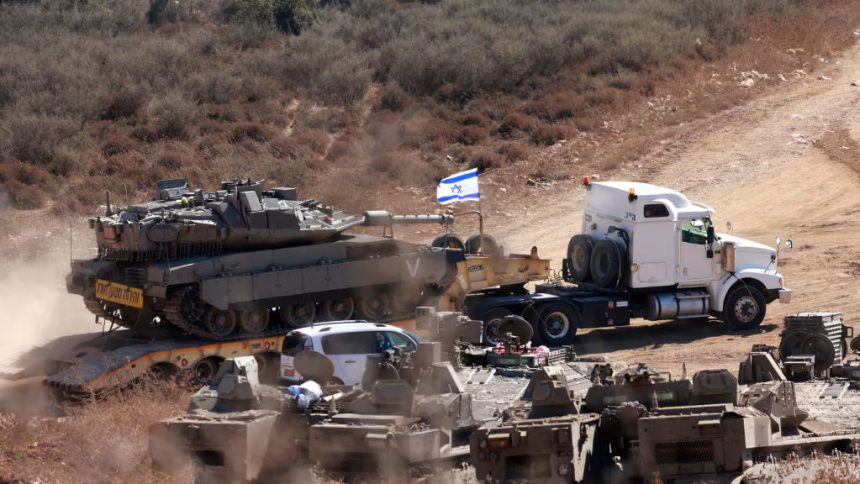
Israel has deployed additional troops into southern Lebanon, deepening its military campaign against Hezbollah despite rising international concern over civilian casualties and the risk of a wider regional conflict.
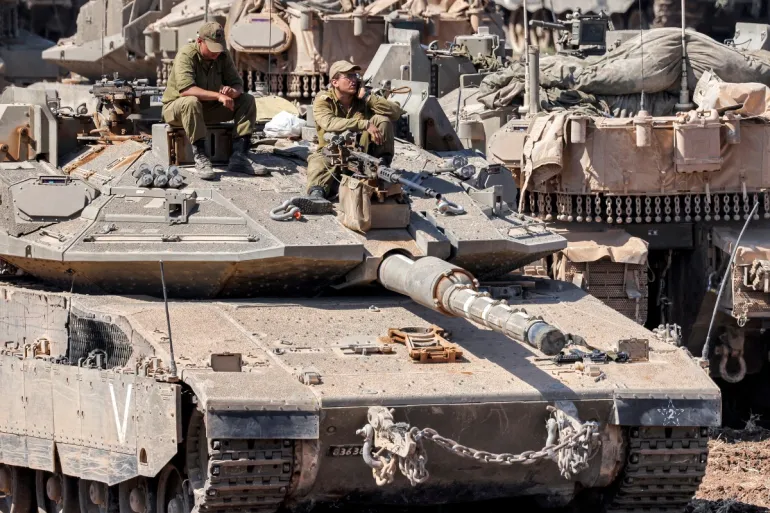
In a statement released on Thursday, the Israeli military confirmed that forces from its 162nd Division had joined ongoing operations in southern Lebanon. The move is aimed at expanding what Israeli officials describe as a “buffer zone” along the border to counter persistent rocket and drone attacks from Hezbollah positions.
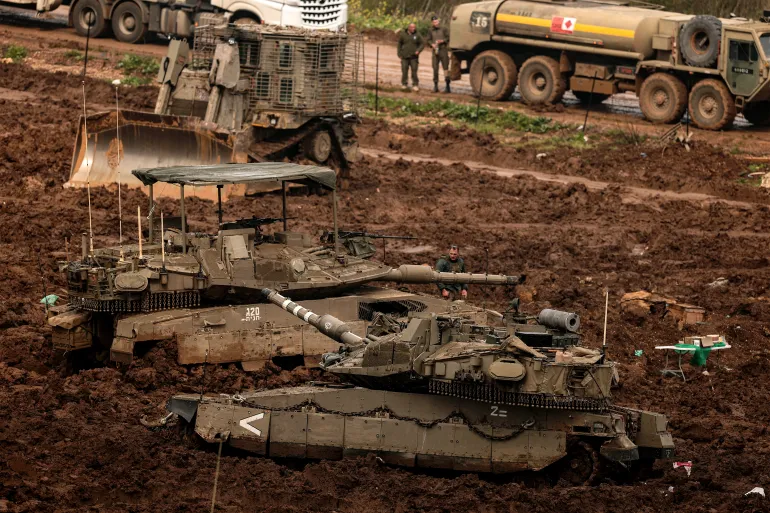
The latest deployment brings the number of Israeli army divisions operating inside Lebanese territory to three, signaling a significant escalation in ground operations. Israeli Prime Minister Benjamin Netanyahu said earlier this week that the expanded buffer zone is necessary to ensure the safety of northern Israeli communities that have faced repeated cross-border fire.
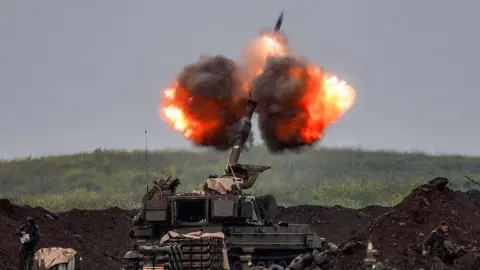
The escalation follows a sharp uptick in hostilities earlier this month, after Hezbollah launched rockets into Israel. The exchange of fire has since intensified into sustained aerial bombardments and ground incursions by Israeli forces, alongside retaliatory strikes by Hezbollah fighters.
More Read

Mounting Humanitarian Crisis
The intensifying conflict has triggered a severe humanitarian crisis in Lebanon. According to United Nations estimates, more than 1.2 million people have been displaced since the beginning of March as Israeli strikes hit towns and villages across the south, as well as parts of the العاصمة, Beirut.
Lebanon’s Ministry of Health reports that at least 1,116 people have been killed and over 3,200 wounded in the ongoing violence. Entire neighborhoods have been reduced to rubble, with critical infrastructure—including bridges, roads, and residential buildings—heavily damaged or destroyed.
More Read

Human rights organizations have raised alarm over the scale of destruction. Amnesty International warned that the widespread devastation in southern Lebanon reflects patterns seen in previous conflicts and urged world leaders to act swiftly to prevent further civilian suffering.
International Pressure Builds
Global powers are increasingly voicing concern over Israel’s expanding ground offensive. In a joint statement last week, France, the United Kingdom, Germany, Italy, and Canada cautioned that a broader invasion could have “devastating humanitarian consequences” and called for immediate de-escalation.
Lebanese Prime Minister Nawaf Salam has condemned Israel’s actions, describing them as a serious violation of Lebanon’s sovereignty and international law. During a phone call with António Guterres, Salam urged the United Nations to intervene and halt what he termed ongoing violations.
The Lebanese government has indicated it will file a formal complaint with the UN Security Council, seeking urgent action to address the crisis.
Continued Fighting on the Ground
Despite mounting diplomatic pressure, fighting between Israeli forces and Hezbollah militants shows no signs of slowing. Hezbollah leader Naim Qassem has vowed to continue operations “without limits,” framing the conflict as resistance against ongoing Israeli military presence in Lebanese territory.
More Read

The group reported carrying out more than 45 attacks on Israeli positions in a single day, including rocket barrages, drone strikes, and guided missile attacks targeting armored vehicles. Among the targets were Israeli Merkava tanks operating near the border.
Israeli authorities, meanwhile, confirmed casualties from Hezbollah strikes, including a deadly rocket attack on the coastal city of Nahariya that killed one person and injured several others. The Israeli military also reported the death of one soldier and injuries to four others during operations in southern Lebanon.
Risk of Wider Conflict
The deepening conflict has heightened fears of a broader regional war, particularly given Hezbollah’s ties to Iran and the already volatile security landscape in the Middle East. Analysts warn that continued escalation could draw in additional actors and further destabilize the region.
As military operations expand and diplomatic efforts struggle to gain traction, civilians on both sides of the border remain caught in the crossfire, with no immediate end to the violence in sight.