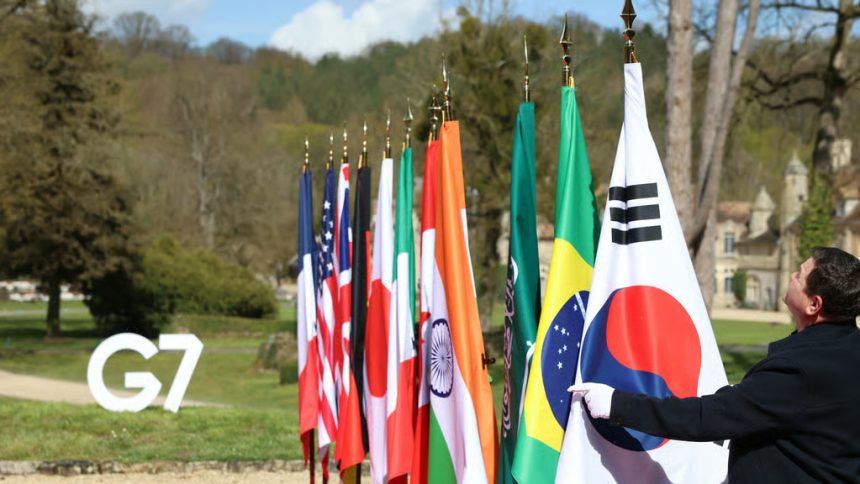
France has firmly rejected claims that it yielded to pressure from the United States to withdraw an invitation to South Africa for this year’s G7 summit, pushing back against allegations that have stirred diplomatic speculation.
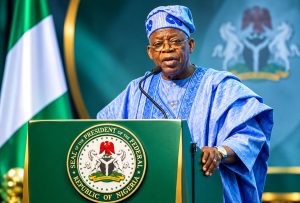
The controversy emerged after South Africa’s presidency told AFP that Washington had urged Paris to disinvite President Cyril Ramaphosa from the high-level gathering scheduled for June in the French town of Évian. The claim suggested behind-the-scenes geopolitical maneuvering among Western allies over who gets a seat at the table of the world’s leading industrialized democracies.
But speaking on the sidelines of a G7 foreign ministers’ meeting, France’s Foreign Minister Jean-Noel Barrot dismissed the accusation outright.
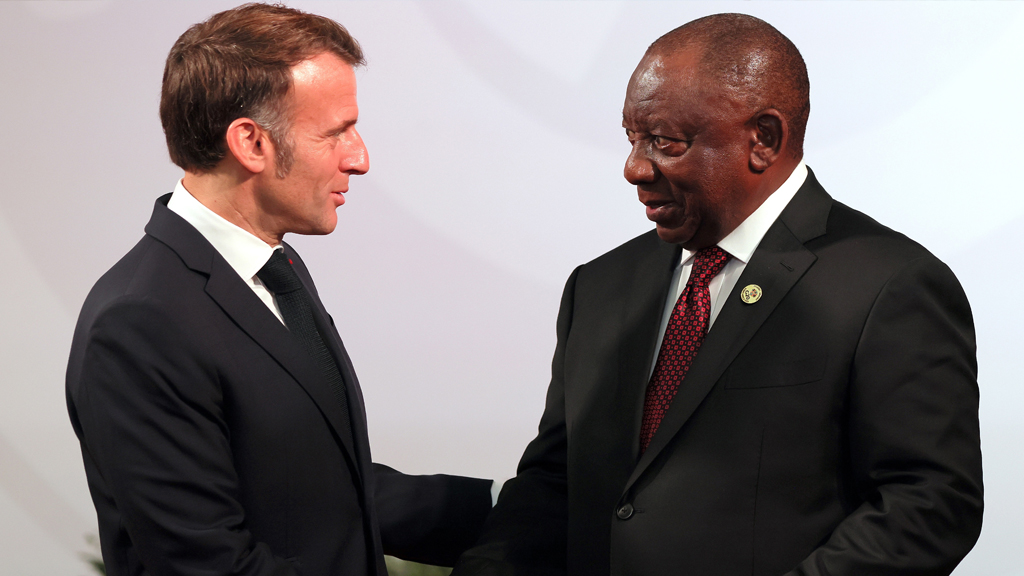
“We did not give in to any pressure,” Barrot said, insisting that France’s decisions regarding invitations were made independently and strategically. He explained that Paris had opted to invite Kenya instead of South Africa as part of a broader effort to keep this year’s summit “streamlined” and tightly focused on geo-economic priorities.
More Read

Barrot, however, stopped short of confirming whether South Africa had ever formally received an invitation, leaving a key aspect of the dispute unresolved.
Despite the disagreement, France sought to strike a conciliatory tone toward Pretoria. Barrot emphasized that South Africa remains an important partner on global issues and that communication between the two countries continues.
“We have always counted on South Africa and we respect the important role it plays in international affairs,” he said. “We remain in close contact with South Africa, a key partner of France on all major global issues.”
More Read

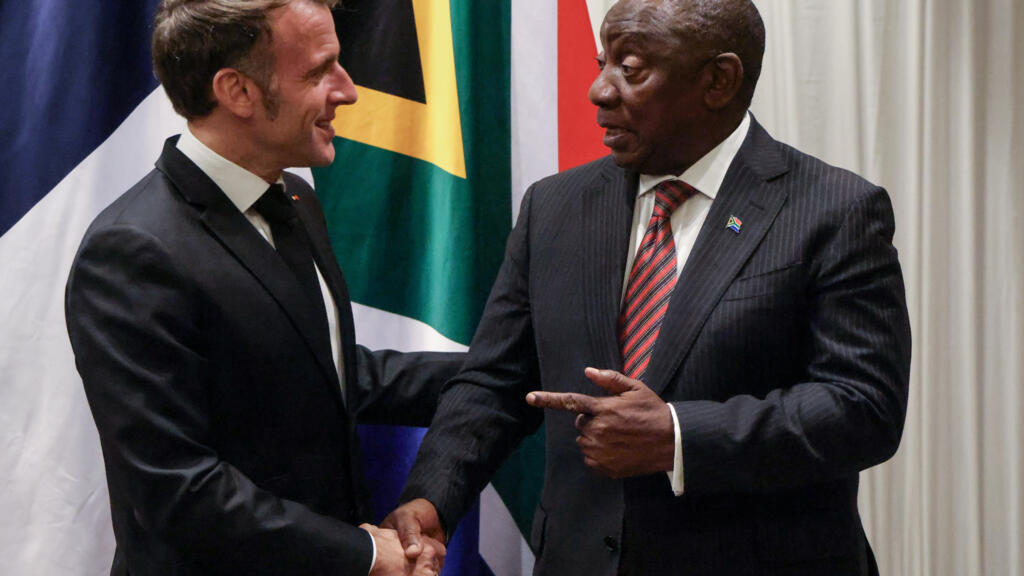
The episode highlights the delicate balancing act facing G7 host nations as they navigate competing diplomatic interests while shaping the guest list for the influential summit. It also underscores growing sensitivities around representation and influence among emerging powers, particularly in Africa.
While tensions appear contained for now, the differing accounts from Paris and Pretoria leave open questions about what transpired behind closed doors—and whether global politics played a larger role than either side is willing to publicly admit.