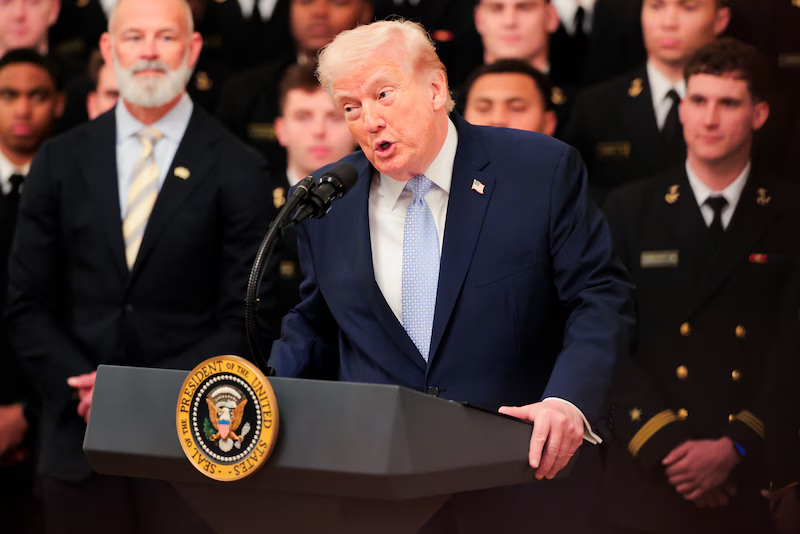
Tensions between the United States and Iran have taken another dramatic turn after reports emerged that U.S. President Donald Trump had sent a 15-point proposal to Tehran in a fresh attempt to halt the deepening crisis in the Middle East.
But instead of opening the door to diplomacy, the move has triggered sharp ridicule from Iran, with officials bluntly declaring that Washington is “negotiating with itself.”

According to reports, the plan was reportedly delivered to Iran through Pakistan, which is said to be acting as an intermediary between both sides. The proposal is believed to include demands and conditions tied to Iran’s nuclear programme, ballistic missile operations, and support for regional armed groups — all long-standing sticking points in U.S.-Iran relations.
However, Tehran has publicly shown little interest in entertaining the initiative.
More Read
Iranian military spokesperson Ebrahim Zolfaqari dismissed claims that meaningful talks were underway, saying the U.S. was effectively talking to itself while trying to create the impression of diplomatic progress. His remarks appeared to directly challenge Trump’s recent insistence that the “wheels of diplomacy” were beginning to turn.
A War of Messages and Mixed Signals
The latest exchange highlights the widening trust gap between both countries, especially as the region continues to reel from military strikes, proxy tensions, and growing instability.
While Trump has reportedly softened his tone in recent days and suggested that negotiations could help calm the crisis, Iran’s public posture remains defiant. Even so, behind the scenes, reports indicate that Pakistan and Turkey may still be quietly facilitating indirect channels of communication.

This contradiction — private diplomacy versus public denial — has only added more confusion to an already volatile geopolitical standoff.
Analysts say Iran may be trying to avoid appearing weak domestically by rejecting the talks in public, even if some form of backchannel engagement is happening behind closed doors. At the same time, Washington appears eager to project that a diplomatic off-ramp still exists.
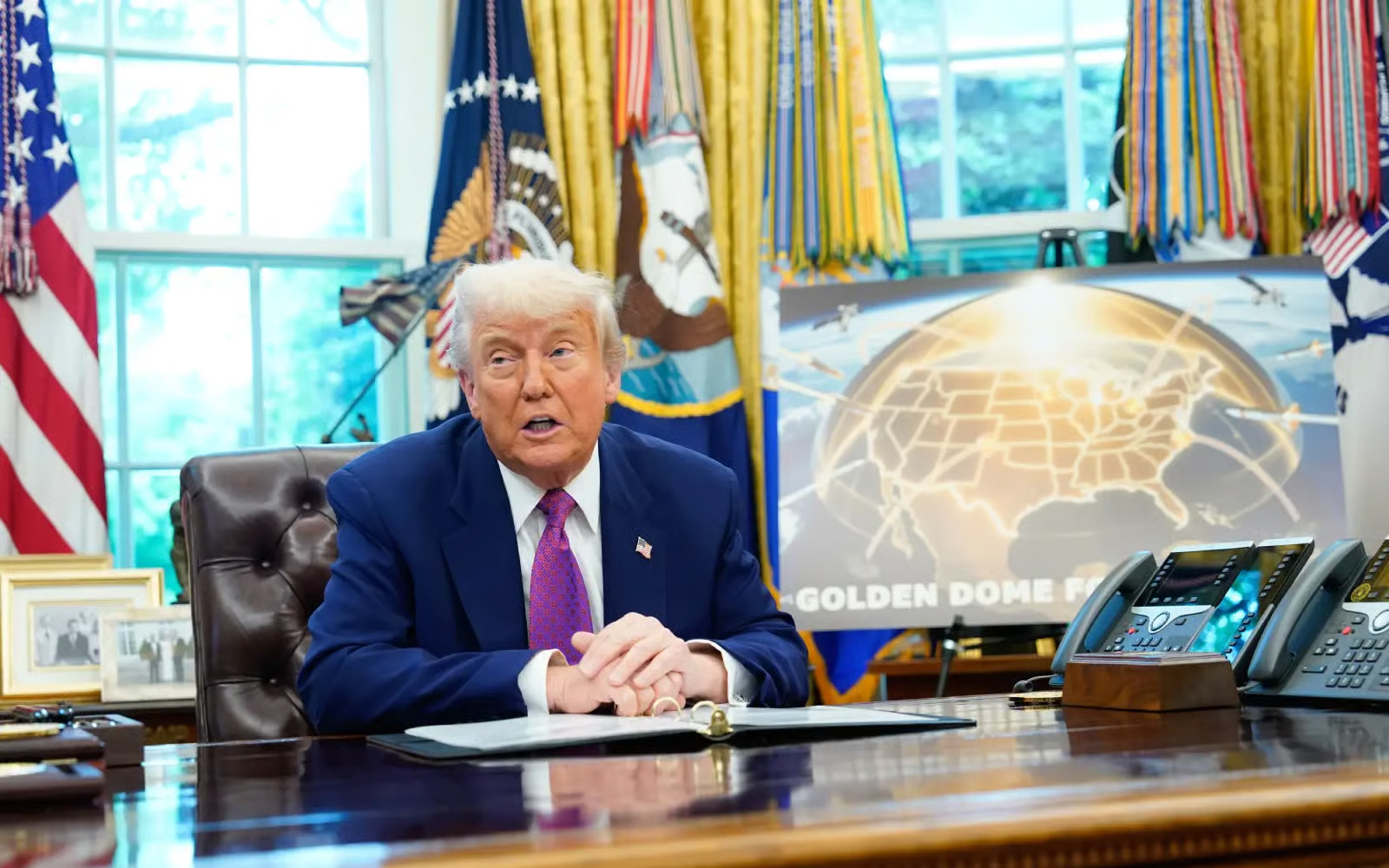
What’s in the 15-Point Plan?
Although the full contents of the proposal have not been officially released, reports suggest the document is aimed at securing a broader ceasefire framework and reducing the risk of further escalation across the Middle East.
The plan is said to focus on:
-
Iran’s nuclear ambitions
-
Missile development
-
Regional military influence
-
De-escalation measures
-
Possible conditions for future negotiations
Still, no official confirmation has been issued by Tehran accepting any part of the proposal, and Iran’s latest response suggests the path to any real agreement remains rocky.
More Read

Diplomacy or Political Theatre?
For now, the situation appears to be less about breakthrough diplomacy and more about duelling narratives.
Trump wants the world to believe diplomacy is alive. Iran wants the world to know it is not bowing to American pressure.
And until both sides move beyond public grandstanding, the so-called 15-point peace effort may remain just another document caught in the storm of Middle East power politics.