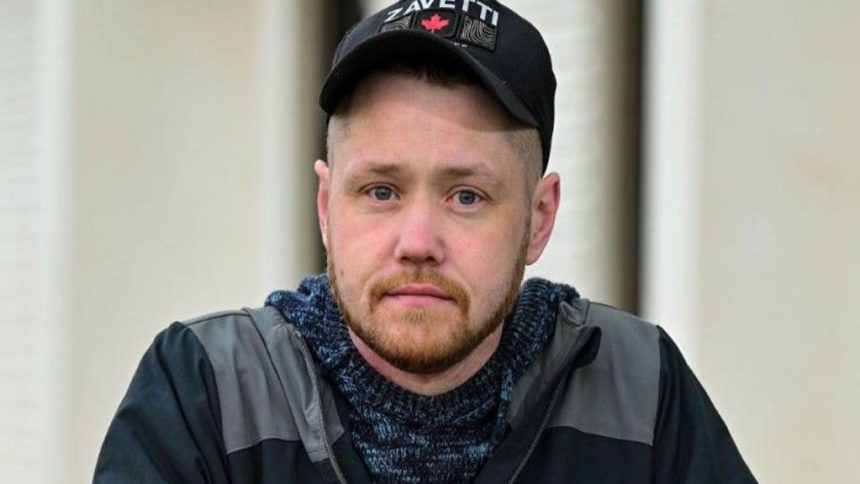
A hospital patient who helped stop a deadly bombing plot has revealed how he hugged the would-be attacker in a desperate bid to calm him down and save lives.
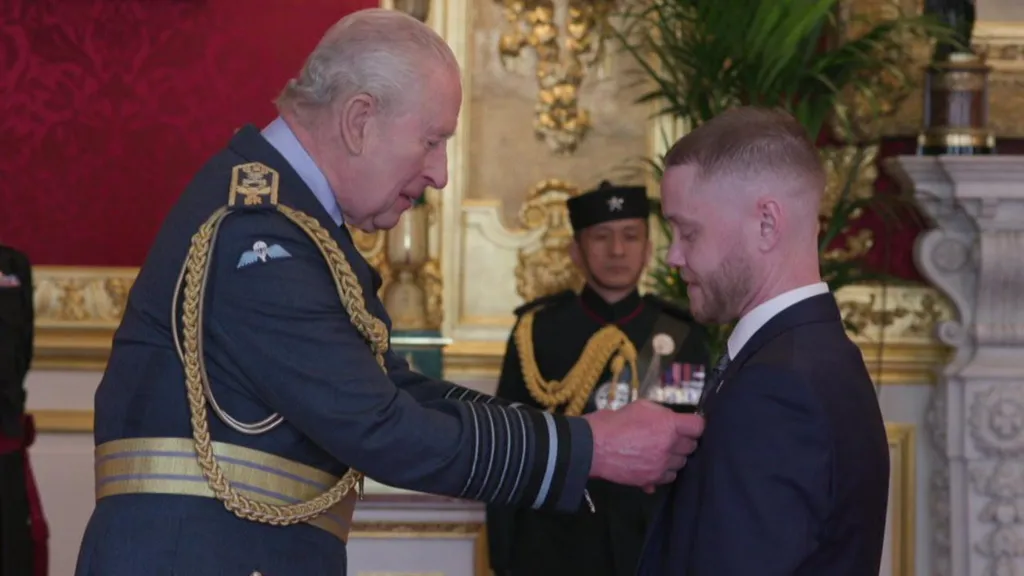
Nathan Newby, 35, has now been awarded the George Medal by King Charles III for his extraordinary bravery after preventing what could have been a devastating terrorist attack at St James’ Hospital in Leeds in January 2023.
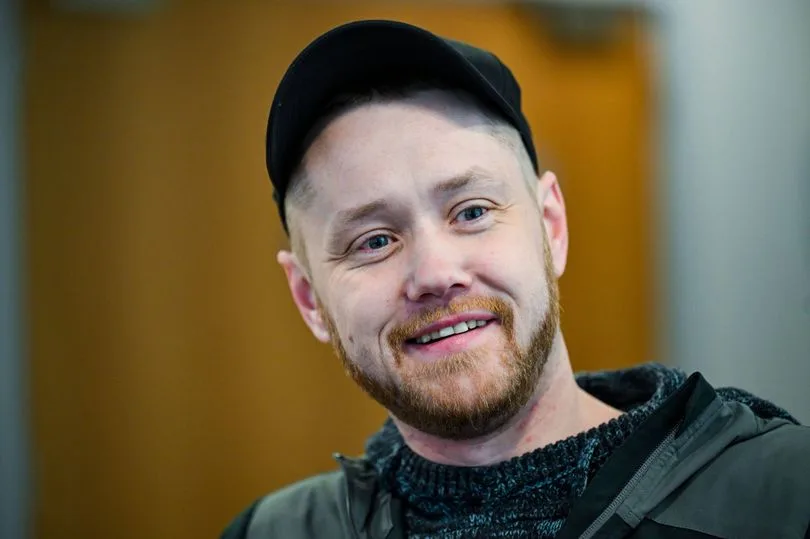
In his first public interview, Newby recounted the chilling moment he encountered Mohammad Farooq, a hospital worker who had planned to detonate a powerful bomb outside the maternity ward.
More Read

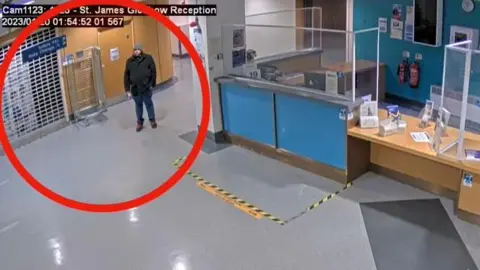
Newby, who was receiving treatment for a chest infection at the time, said he had stepped outside for some fresh air when he noticed Farooq acting nervously and repeatedly staring at a suspicious bag nearby.
“He looked out of place, so I went over to see if he was alright,” Newby said.
What began as a simple act of concern quickly turned into one of the most courageous interventions in recent memory.
A Deadly Discovery
After striking up a conversation, Newby became increasingly suspicious and eventually persuaded Farooq to open the bag.
More Read

Inside was a pressure cooker bomb packed with 10 kilograms of explosives.
According to evidence later presented in court, the device was believed to be twice the size of the bomb used in the 2013 Boston Marathon attack.
At that terrifying moment, Newby realized he had little chance of escaping without triggering panic.
“I thought there’s no way of getting away now, so I might as well stay with the guy,” he said.
Rather than running, he stayed and spoke with Farooq for nearly two hours, trying to distract him, understand his thoughts, and gently steer him away from carrying out the attack.
The Hug That Changed Everything
During the tense encounter, Newby said he opened up about his own struggles in an effort to connect with Farooq on a human level.
At one point, Farooq unexpectedly asked him for a hug.
More Read

“He asked me to stand up and give him a hug, so I said, ‘Yes, have a hug mate,’” Newby recalled.
That simple gesture may have been the turning point.
Shortly after, Farooq reportedly told him:
“I want you to phone the police before I change my mind.”
Newby then cleverly used Farooq’s phone to contact emergency services, claiming his own battery had died. While speaking to police, he also managed to subtly record video evidence of the suspect.
He even asked Farooq if he had any more weapons, leading him to reveal an imitation gun hidden inside his jacket, which Newby persuaded him to place on a nearby bench.
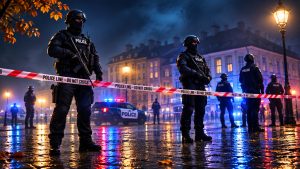
Armed police arrived soon after and arrested Farooq before the situation could turn catastrophic.
The Plot Behind the Attack
Farooq, who had worked at the hospital as a nursing assistant, was later convicted of preparing acts of terrorism and sentenced to a minimum of 37 years in prison.
The court heard that he had become self-radicalised, consuming extremist propaganda online and downloading terrorist manuals, including bomb-making guides.
Prosecutors said he had developed a grievance against colleagues and intended to “kill as many nurses as possible.”
Jurors were also told that Farooq had initially considered targeting RAF Menwith Hill, a major intelligence base near Harrogate, before shifting to the more vulnerable target of St James’ Hospital.
A Hero Recognised
The trial judge, Mrs Justice Cheema-Grubb, described Newby as an “extraordinary man”, saying his testimony was among the most remarkable ever heard in court.
Counter Terrorism Policing officials also praised his courage, with Det Supt Paul Greenwood saying he had never seen an attack so narrowly prevented.
“He was the right person in the right place at the right time,” Greenwood said.
Reflecting on the ordeal, Newby admitted the reality of what happened only struck him after he returned to his hospital bed.
“It’s just crazy that if I hadn’t been in hospital that day, he would have gone for it and I’d have been seeing it on the news,” he said.
On Wednesday, Newby was officially presented with the George Medal at St James’s Palace in London — one of the UK’s highest honours for civilian bravery.
Though humbled by the recognition, he said he simply did what he felt was right.
“I’m proud at saving lives,” he said.
“It’s just me, it’s just how I am.”