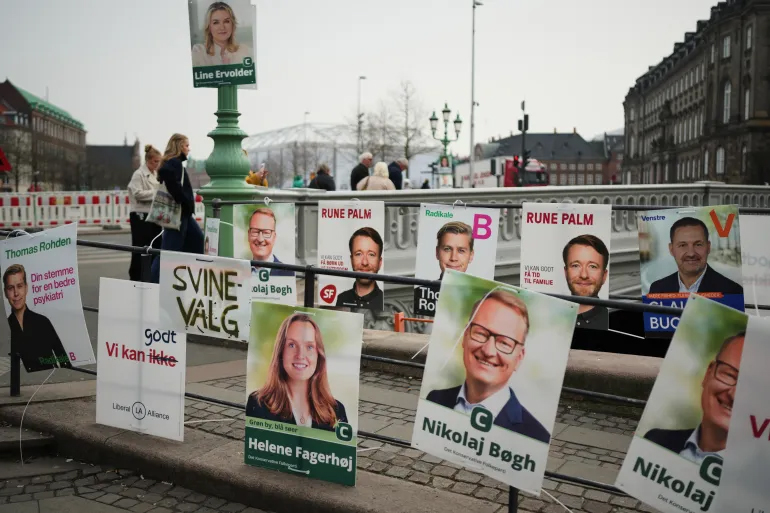
Voters across Denmark headed to the polls on Tuesday in a high-stakes parliamentary election that could determine whether Prime Minister Mette Frederiksen secures a historic third term in office.
The vote comes against the backdrop of heightened geopolitical tensions following Donald Trump’s controversial proposal to take control of Greenland, a semi-autonomous Danish territory. Frederiksen’s firm rejection of the idea has reshaped the political landscape, boosting her approval ratings and injecting fresh momentum into her campaign.
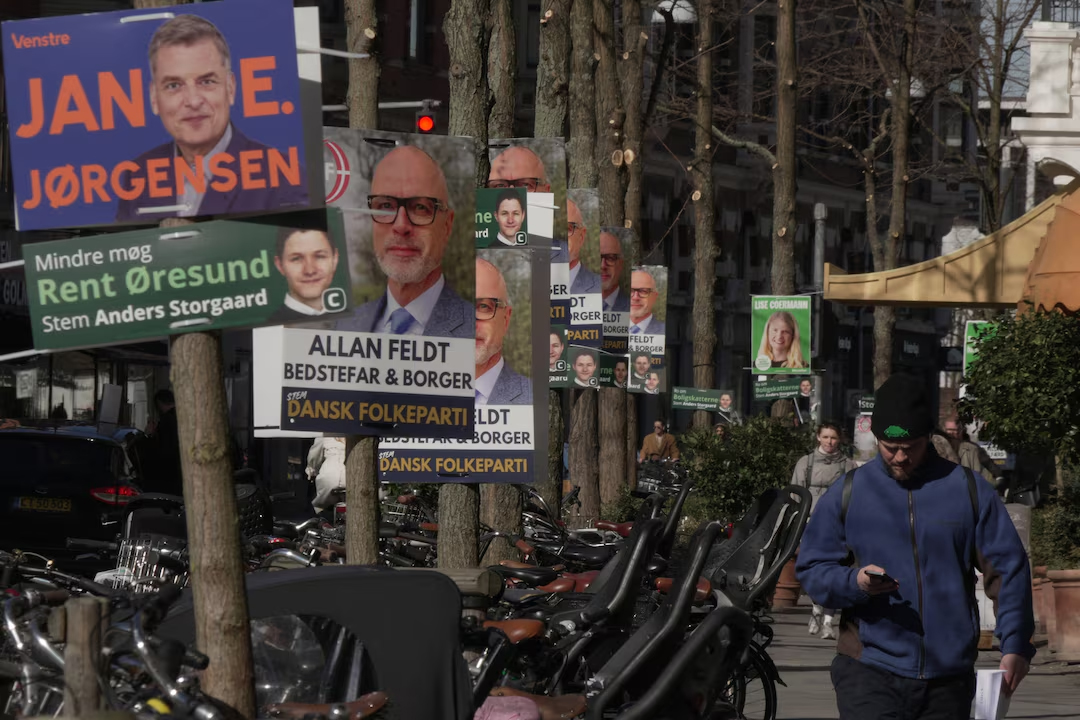
Polling stations opened at 8:00 a.m. local time (07:00 GMT), with more than 4.3 million registered voters expected to cast their ballots before voting closes at 8:00 p.m. (19:00 GMT). Early results are anticipated later in the evening.
Frederiksen, leader of the centre-left Social Democrats, is facing a determined challenge from Troels Lund Poulsen of the centre-right Venstre party. Poulsen, currently serving as defence minister, has positioned himself as a credible alternative, focusing on economic management and national security.
More Read

The prime minister called the snap election last month, seeking to capitalise on a surge in public support following her defiant stance on Greenland. The diplomatic dispute brought rare international attention to Denmark’s sovereignty over the Arctic territory and briefly dominated political discourse.
However, as the campaign progressed, domestic issues took centre stage. Voters have expressed growing concern over the rising cost of living, particularly increases in food and fuel prices. Debates have also centred on the future of agriculture, environmental protections such as access to clean drinking water, and animal welfare standards in the country’s large pig farming sector.
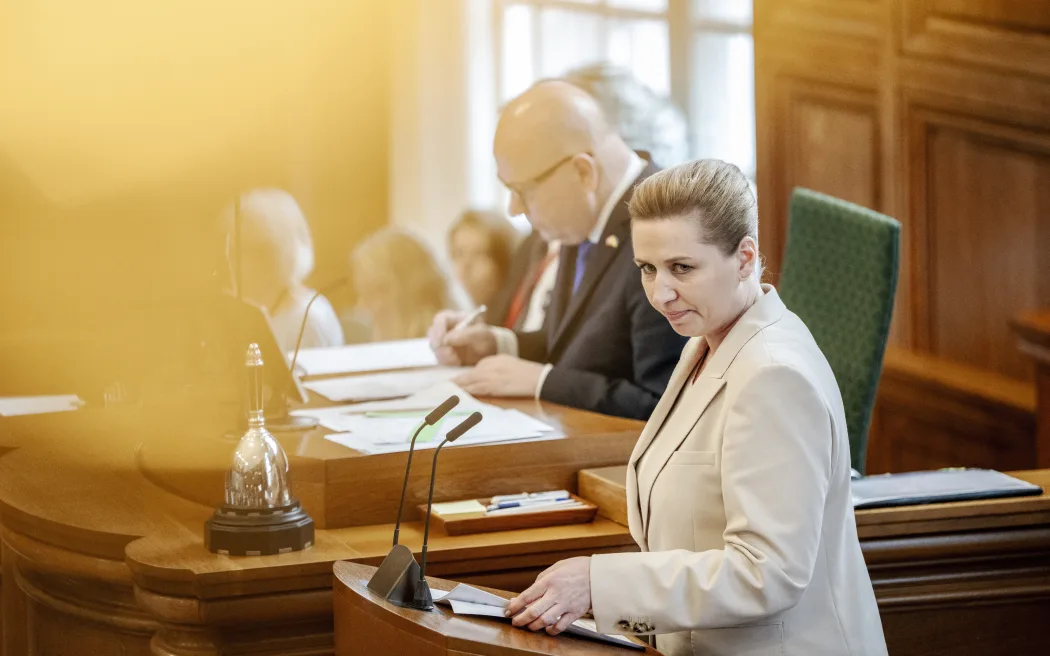

Despite leading in most opinion polls, the Social Democrats are projected to record their weakest result in more than a century. Analysts attribute this to lingering dissatisfaction over cuts to social programmes and broader economic pressures facing households.
Adding further complexity to the race, right-wing populist parties have sought to tap into voter frustration by advocating stricter immigration policies, potentially reshaping coalition dynamics in the 179-seat parliament.
As ballots are counted, the outcome will not only decide Frederiksen’s political future but also signal how Danish voters balance international assertiveness with domestic priorities in an increasingly uncertain global climate.