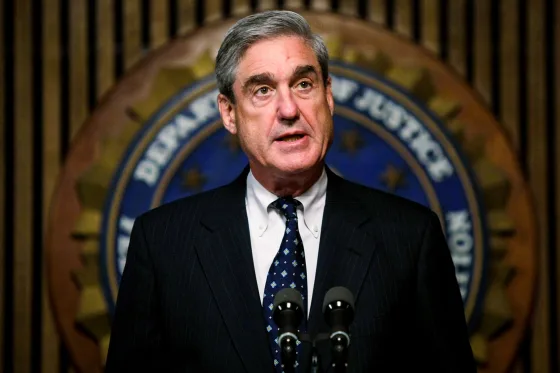
Robert Mueller, the former U.S. special counsel whose investigation into alleged Russian interference in the 2016 presidential election shaped a defining chapter of modern American politics, has died at the age of 81.
His death was confirmed on Friday night by his family in a statement shared with the Associated Press, requesting privacy during this period of mourning. The cause of death has not yet been disclosed. Confirmation was also reported by CBS News, a partner of BBC.
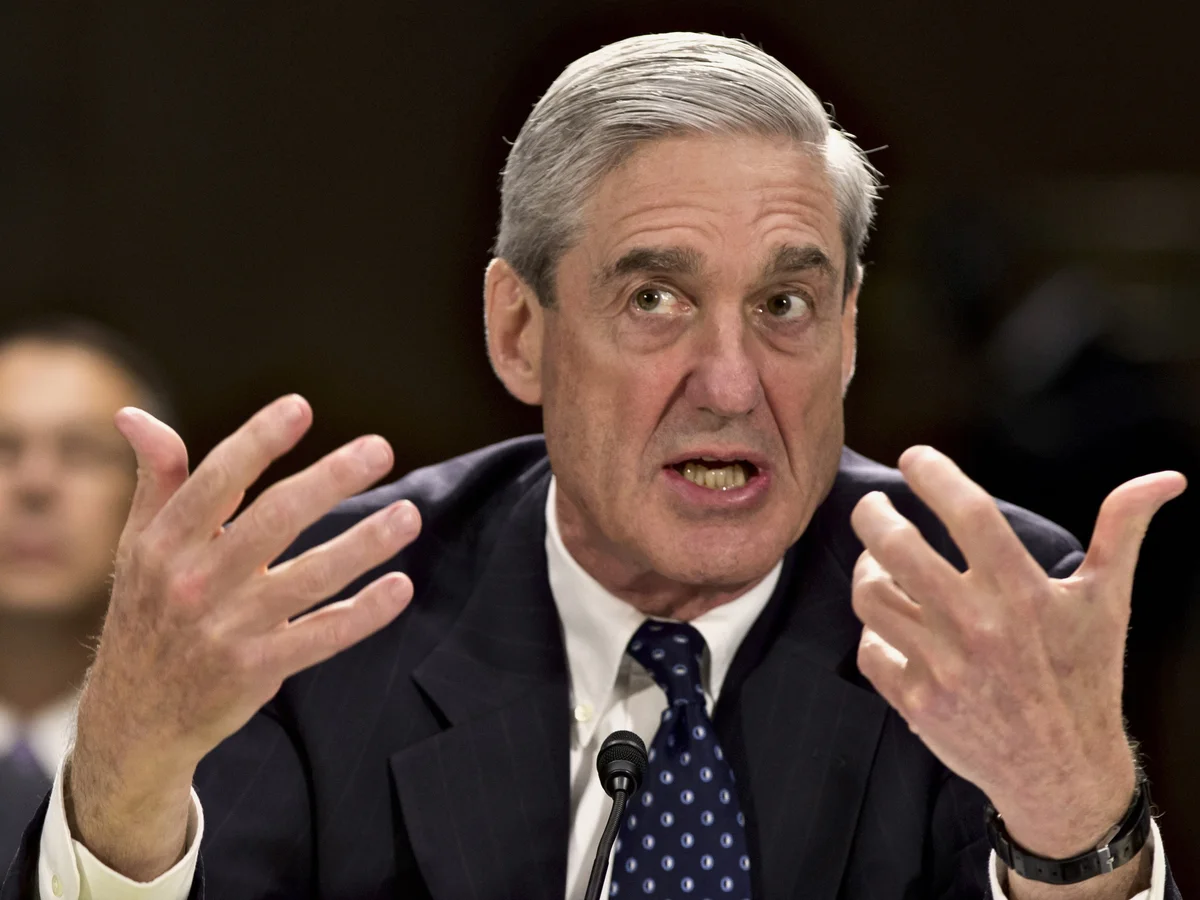
Mueller, a decorated public servant, previously served as director of the Federal Bureau of Investigation (FBI) from 2001 to 2013. He assumed leadership just days before the September 11 attacks, guiding the agency through one of the most critical periods in U.S. history. During his tenure, he is widely credited with transforming the FBI into a modern counterterrorism and intelligence-driven organization.
In 2017, Mueller was appointed as special counsel to investigate Russian interference in the 2016 U.S. presidential election and any possible links to the campaign of Donald Trump. The probe, which lasted nearly two years, dominated headlines and political discourse, placing Trump’s campaign and inner circle under intense scrutiny.
More Read

The investigation drew sharp criticism from Trump, who repeatedly labeled it a “witch hunt.” Following news of Mueller’s death, Trump reacted on his social media platform with a controversial statement, saying, “I’m glad he’s dead. He can no longer hurt innocent people!”—a remark that is already sparking widespread reactions across political circles.
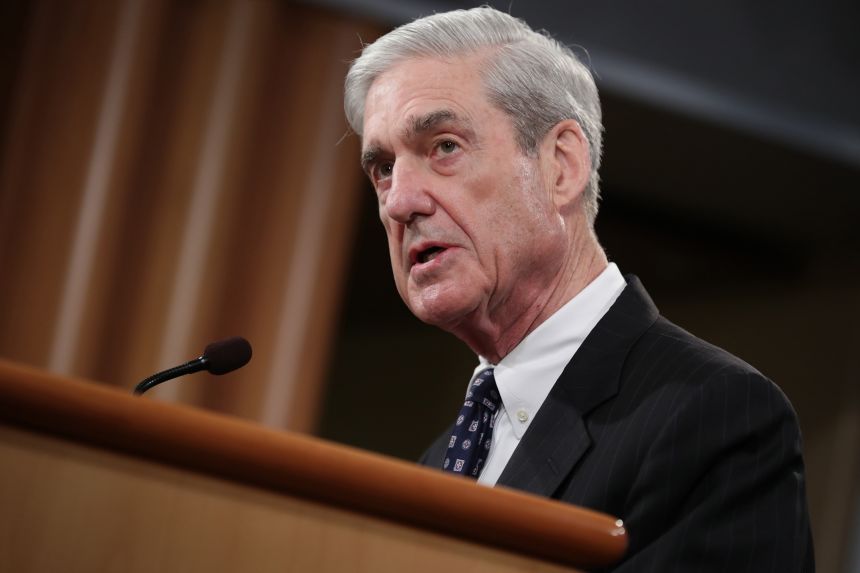
Mueller’s legacy remains complex: admired by many for his commitment to public service and rule of law, while also criticized by others over the outcomes and implications of his high-profile investigation.
More Read

Further details about funeral arrangements and official tributes are expected to be released in the coming days.