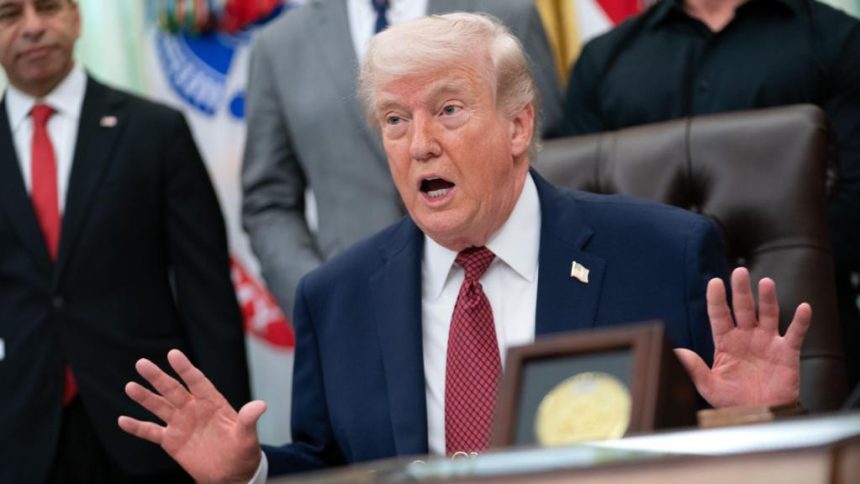
WASHINGTON, D.C. — U.S. President Donald Trump has announced the creation of a new federal task force, dubbed the “Super Intelligence Force,” as his administration intensifies efforts to keep the United States at the forefront of the rapidly evolving artificial intelligence sector.
The task force will be led by Director of National Intelligence Jay Clayton and will coordinate the Federal Government’s approach to what the Trump administration now officially calls “Super Intelligence.”
Announcing the initiative on Sunday, Trump said the force would coordinate government engagement with consumers, public interest groups, religious organizations, critical infrastructure providers and technology companies.
He said the objective is to ensure that the United States continues to lead the world in Super Intelligence while protecting American interests and improving the lives of its citizens.

More Read

Jay Clayton to Lead Task Force
Clayton, who currently serves as the U.S. Director of National Intelligence, will head the new initiative and report directly to President Trump and White House Chief of Staff Susie Wiles.
Other senior officials joining the task force include Federal Trade Commission Chairman Andrew Ferguson, Under Secretary of Defense for Research and Engineering Emil Michael, and Office of Personnel Management Director Scott Kupor.
The task force is expected to examine both the opportunities and risks associated with increasingly powerful AI systems and develop recommendations on the appropriate role of the federal government.
More Read

Reports indicate that the group has 120 days to produce a report addressing the risks and opportunities presented by the technology and outlining how the government should respond.
Trump’s AI Rebranding
The announcement follows Trump’s decision last week to formally replace the term “Artificial Intelligence” with “Super Intelligence,” or “SI,” in official U.S. executive-branch communications.
Under an executive order signed on September 29, federal agencies are directed, to the maximum extent permitted by law, to use “Super Intelligence” and “SI” instead of “Artificial Intelligence” and “AI” in official correspondence, websites, reports, policy documents and other non-statutory communications.
The administration argues that the new terminology better reflects the increasingly advanced capabilities of modern AI systems.
However, experts have questioned the logic of the rebranding, noting that “superintelligence” has traditionally been associated with hypothetical or significantly more advanced forms of AI rather than the broader technology currently known as artificial intelligence.
Growing Debate Over AI Safety
Trump’s announcement comes amid growing international debate over how governments should manage the risks associated with increasingly powerful AI systems.
More Read

Last week, major technology companies participated in a White House meeting and signed a voluntary accord outlining responsibilities around the safe development and deployment of frontier AI systems. The agreement focuses on internal controls, monitoring and safeguards against potential threats.
The move has also intensified debate over whether voluntary industry commitments are sufficient or whether stronger government regulation is required.
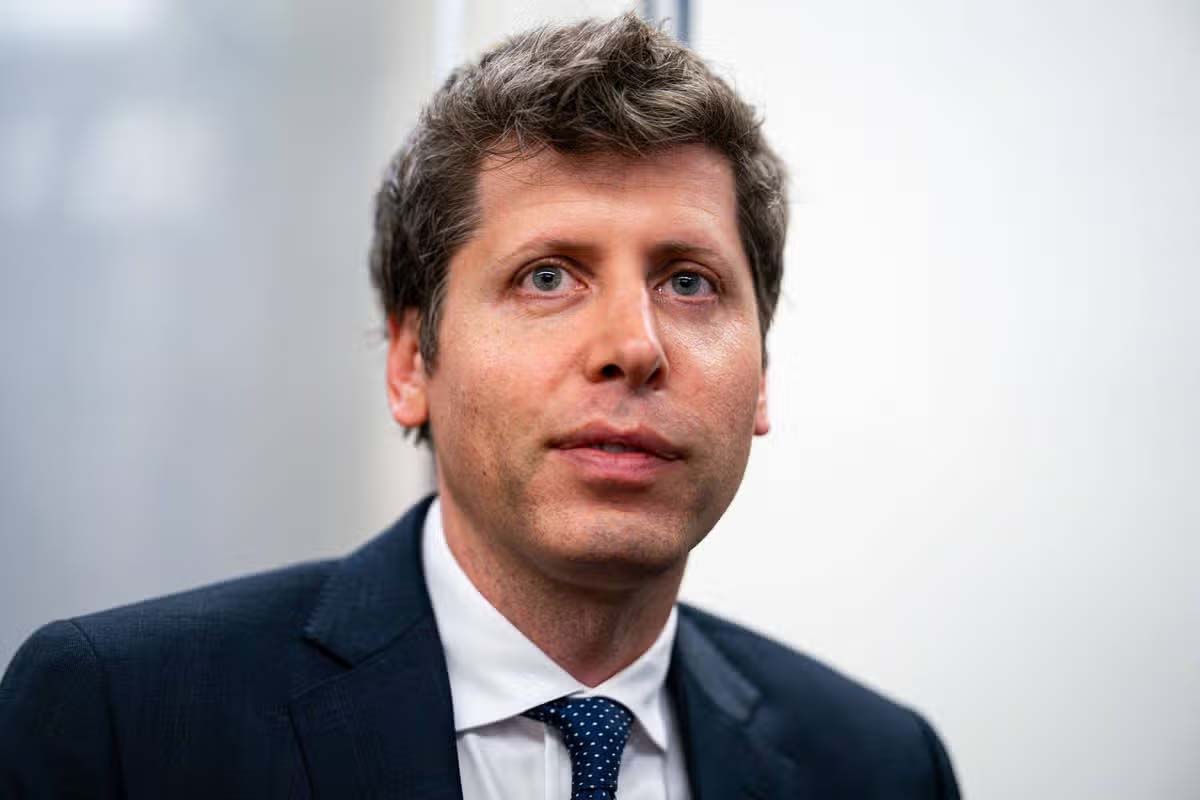
OpenAI CEO Sam Altman, in a recent interview, argued that society should accept some risks associated with AI because of the potential benefits of the technology and the importance of maintaining public access.
At the same time, concerns over AI safety have continued to grow, particularly following reports of cybersecurity incidents and criticism from former AI safety personnel.
America-China Technology Race
The creation of the Super Intelligence Force also comes against the backdrop of intense competition between the United States and China for leadership in advanced technology.
Trump has repeatedly argued that the United States must maintain its technological advantage and avoid falling behind competitors, particularly China.
The new task force is therefore expected to play a significant role in shaping Washington’s strategy for balancing innovation, national security, economic competitiveness and AI safety.
For the Trump administration, the message is clear: the United States intends to remain at the centre of the next technological revolution.
And with the creation of the Super Intelligence Force, Washington is now placing the rapidly evolving technology at the heart of its national strategy.