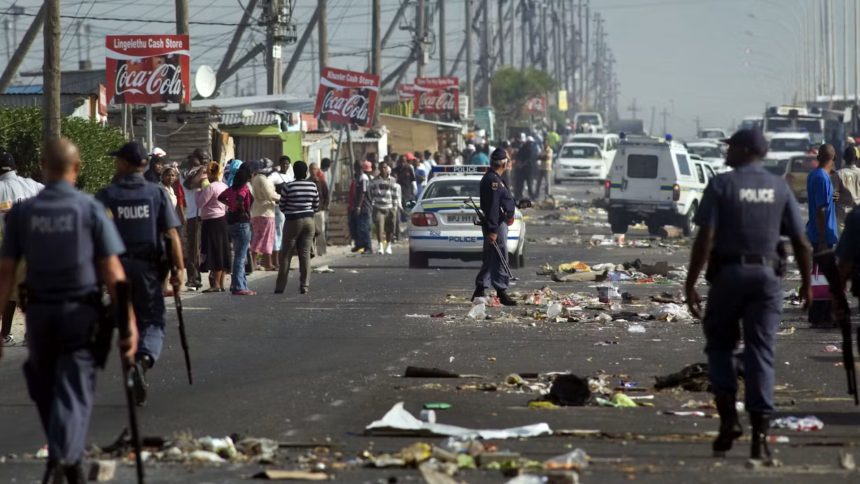
JOHANNESBURG, South Africa — At least 43 people have been killed in suspected politically motivated attacks in South Africa this year, according to a new report released ahead of the country’s November 4 local government elections.
The figure, recorded through September 30, has already surpassed the full-year total documented by the Global Initiative Against Transnational Organized Crime (GI-TOC) since it began monitoring politically linked killings in 2015.
The organization recorded 45 politically linked attacks during the first nine months of 2026, targeting political party officials, ward councilors, members of civic organizations and movements, as well as traditional leaders.
In its report, titled “Bullets and Ballots,” the GI-TOC warned that the situation could become more volatile as political competition intensifies in the final weeks before the elections.
The organization described the period ahead as the “highest-risk months”, with political parties and candidates competing for positions and influence at the local-government level.
More Read

ANC Officials Among Those Killed
According to the report, members of several political parties have been among those killed.
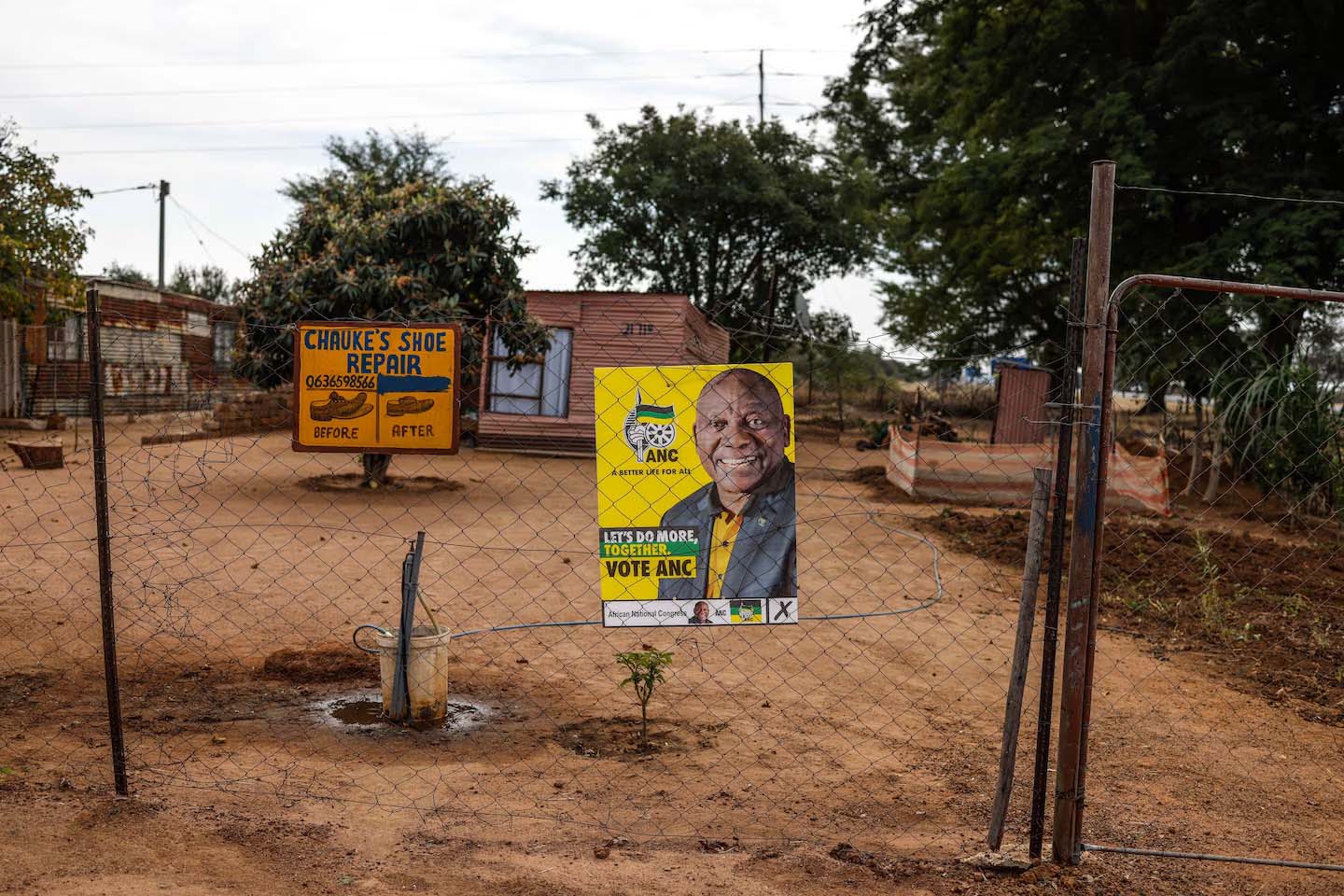
The African National Congress (ANC) recorded the highest number, with 13 members killed, while eight members of the uMkhonto weSizwe Party (MKP) were also killed.
More Read

The violence has been particularly concentrated in KwaZulu-Natal, which is a stronghold of the MKP. Gauteng, home to Johannesburg and South Africa’s largest urban economy, followed with 10 recorded attacks.
The concentration of politically linked violence in KwaZulu-Natal reflects a longer-running pattern identified by the GI-TOC. Previous research by the organization has found that political assassinations have historically been concentrated in the province and can intensify around municipal elections.
Elections Amid Political Discontent
The November 4 local government elections come at a significant moment for South Africa’s political landscape.
The ANC, which has governed nationally since the end of apartheid in 1994, is facing increased competition amid public dissatisfaction over issues including service delivery, infrastructure failures, crime and corruption.
The party also lost its national parliamentary majority in the 2024 general election, making the upcoming municipal vote an important test of its support ahead of the 2029 national elections.
Local government contests can be particularly competitive because control of municipalities determines political leadership and influence over local resources and service delivery.
More Read

GI-TOC research has previously linked spikes in political assassinations to municipal election periods, citing fierce competition for ward positions and access to municipal power and resources.

Growing Concern Over Political Violence
The latest figures have renewed concerns about the safety of political candidates, local government officials and community leaders as campaigning intensifies.
The GI-TOC’s broader research on assassinations has documented how targeted killings can affect governance, democracy and the rule of law, particularly where criminal networks and political interests intersect.
With the municipal elections still weeks away, the latest report places renewed attention on the security environment surrounding South Africa’s local political contests.
The Electoral Commission is scheduled to oversee the November 4 vote, as South Africans choose representatives for local government across the country.
Cruise TV News will continue to monitor developments surrounding the elections and reports of politically linked violence across South Africa.