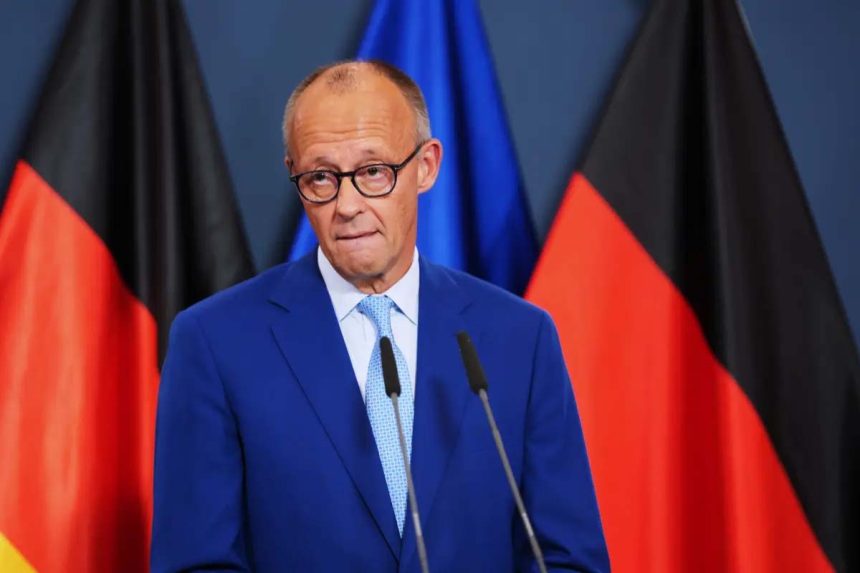
BERLIN — German Chancellor Friedrich Merz has vowed to remain in office despite damaging results for his centre-right Christian Democratic Union (CDU) in two state elections held on Sunday.
The setbacks have intensified pressure on Merz, who has faced declining approval ratings and growing speculation that he could be replaced before the end of his term.
In the north-eastern state of Mecklenburg-Vorpommern, the CDU initially appeared likely to narrowly retain its position in the state parliament. However, projections later placed the party below the five per cent threshold required to win parliamentary representation — a result Merz described as “a disaster” for the CDU.
The far-right Alternative for Germany (AfD) emerged as the strongest party in Mecklenburg-Vorpommern, according to projections, although it is unlikely to form a government because other major parties have ruled out working with it.
More Read

In Berlin, meanwhile, the governing CDU was projected to finish behind Die Linke (The Left), which was on course to record its strongest performance yet in the German capital.
Public broadcasters ARD and ZDF projected the AfD at about 38 per cent in Mecklenburg-Vorpommern, followed by the centre-left Social Democratic Party (SPD) at approximately 35 per cent.
In Berlin, Die Linke was projected to secure nearly 26 per cent, ahead of the CDU on about 19 per cent. The AfD was also projected to increase its support in the capital to around 16 per cent.
More Read

The results came just two weeks after the CDU suffered another major setback when its support was sharply reduced in Saxony-Anhalt, where the AfD recorded a significant victory.
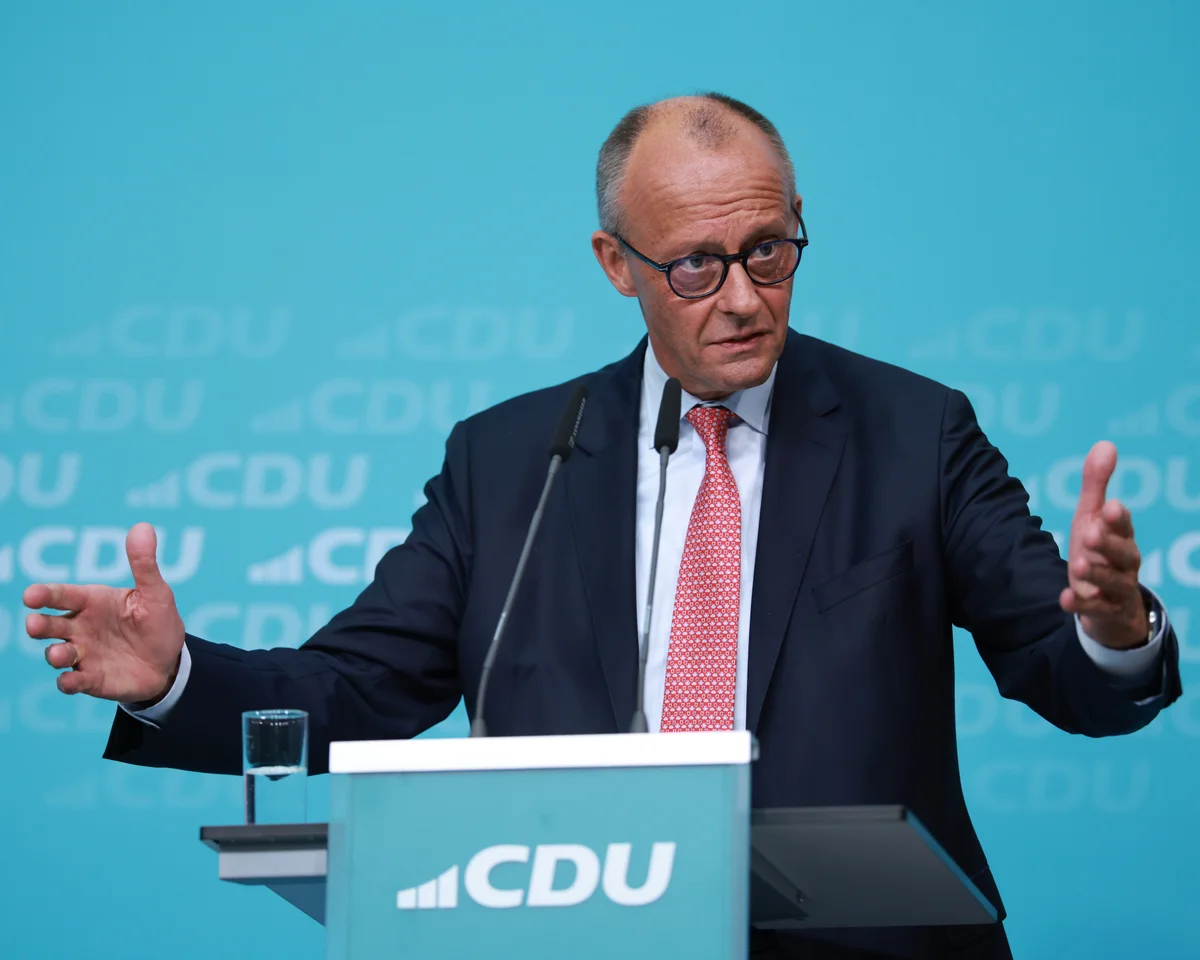
Speaking at CDU headquarters in Berlin after the latest projections emerged, Merz rejected speculation that he could be forced out and insisted that his government would continue with its planned economic, tax and welfare reforms.
“The reforms have to come,” Merz said, adding that he was taking responsibility because he wanted to move Germany forward.
He said the situation required “backbone, steadfastness and patience”, insisting that he would demonstrate those qualities both as CDU chairman and as chancellor.
Merz also warned against the growing influence of authoritarian politics in Germany, describing his planned reforms as an “antidote” to what he called the spread of authoritarianism.
AfD co-leader Alice Weidel, however, welcomed her party’s performance.
“We are the strongest force and have reached the mainstream of the population,” she said.
More Read

The AfD’s growing support has particularly been evident in Germany’s former communist eastern states. Some branches of the party have been classified as right-wing extremist by German domestic intelligence authorities, a designation the AfD strongly rejects.
The party’s anti-immigration and German-nationalist positions have attracted significant support in parts of eastern Germany, while its approach to Russia has also distinguished it from Germany’s established political parties.
At the CDU’s election-night gathering in Berlin, there were few signs of celebration as projected results appeared on large screens.
The poor performances have renewed questions about Merz’s political future. However, several senior CDU figures have publicly backed him.
Burkard Dregger, a CDU politician in Berlin, told the BBC that Merz should remain in office.
“He has a lot of work to do and we don’t have time to waste to form a new government at the federal level,” Dregger said.
He described German voters as impatient but argued that it was unrealistic to expect every problem to be solved within a year.
“He has got four years and we have to give him the four years,” Dregger said.
Merz has been chancellor for only 16 months, and earlier in the week the leaders of eight German states publicly backed his continued leadership.
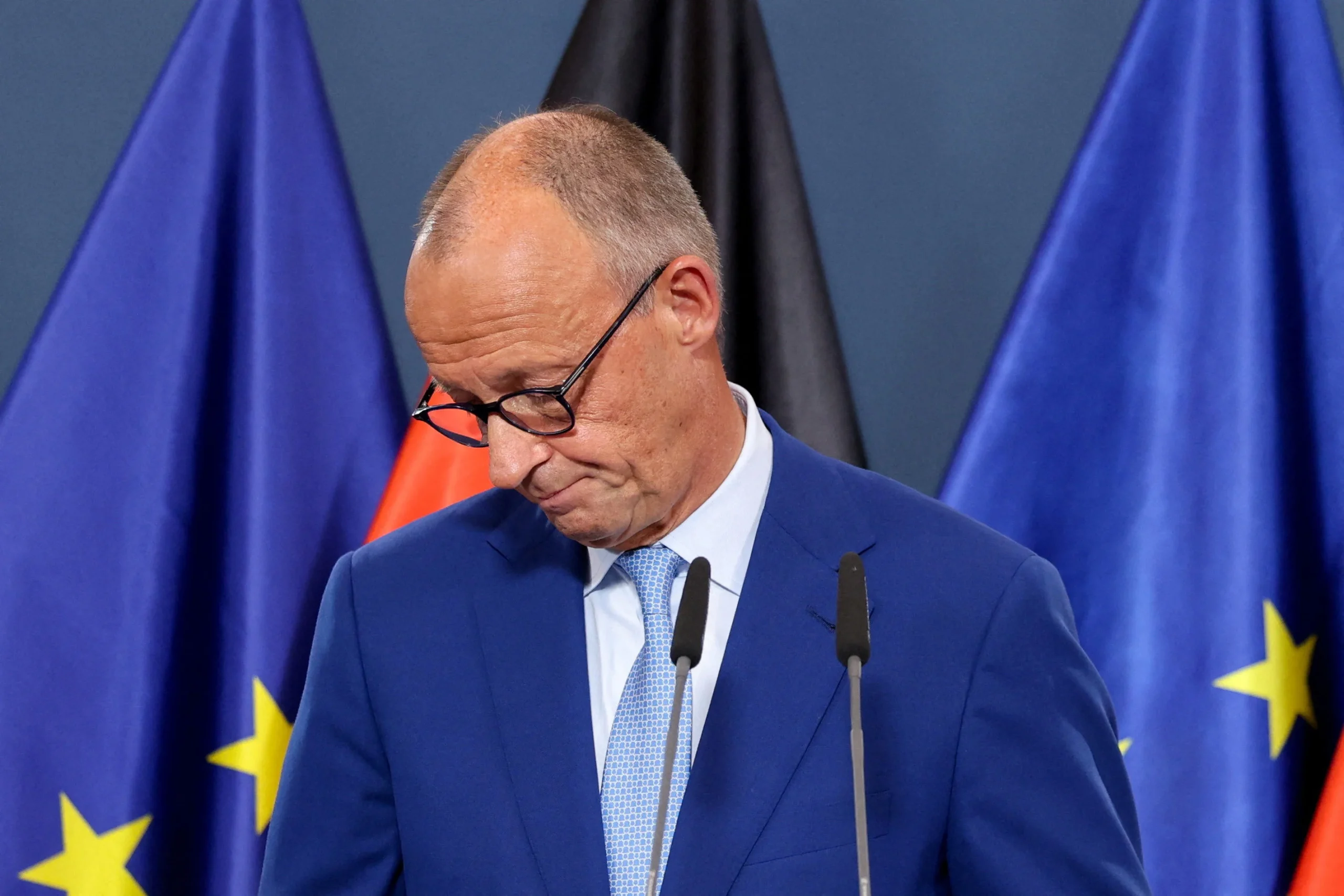
Nevertheless, the latest election results represent another challenge for the chancellor and his CDU-led government.
Merz’s shift to the right on issues including immigration has so far not significantly weakened the AfD’s support, while critics on the political left argue that his approach risks alienating voters who oppose the CDU’s tougher stance.
With further elections ahead, Merz now faces the challenge of restoring confidence in his leadership, delivering his promised reforms and preventing continued gains by the AfD.