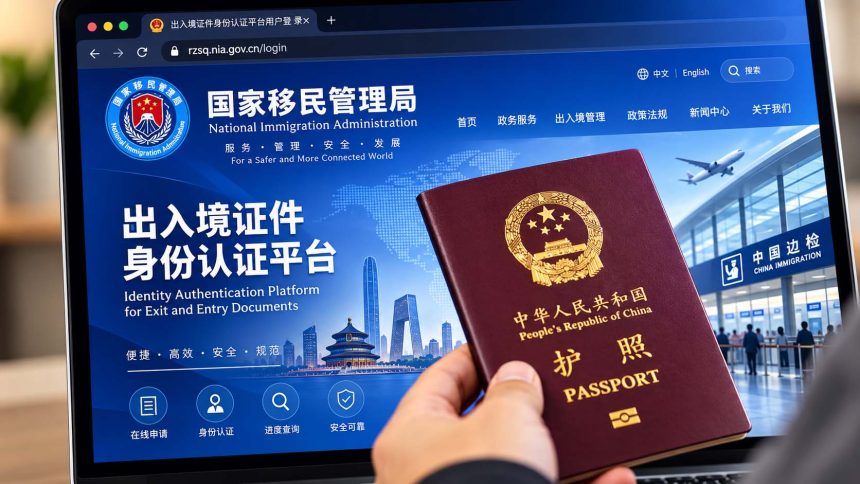
BEIJING — China has introduced sweeping new regulations tightening controls on citizens travelling in and out of the country, a move critics say could significantly expand the government’s ability to restrict overseas travel.
Under the new rules, Chinese citizens considered to have harmed the country’s national security or interests while abroad could be prevented from leaving China for up to three years.
The regulations also extend to individuals deemed to pose a threat to China’s industrial or technological security, as Beijing intensifies efforts to protect sensitive sectors amid its growing technological rivalry with the United States.
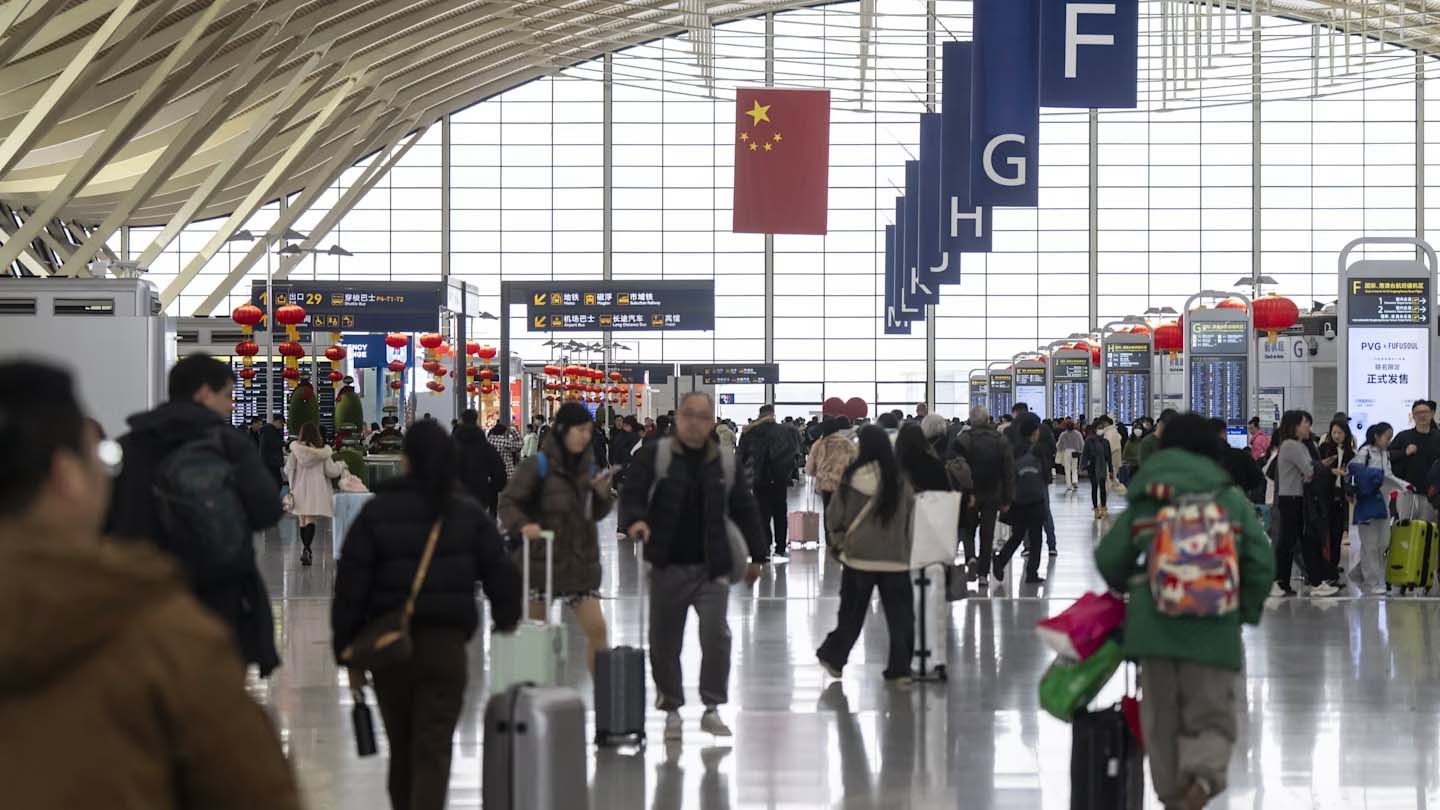
Industries including semiconductors and artificial intelligence are considered particularly sensitive. Reports indicate that some executives working in these sectors have previously faced restrictions on international travel.
More Read

In March, the co-founders of Manus, an artificial intelligence company acquired by Meta, were reportedly prevented from leaving China.
Government Employees Face Longstanding Restrictions
The latest regulations formalize controls that have already affected sections of the Chinese population, including civil servants and employees of state-owned enterprises.
A retired grassroots civil servant in Anhui told BBC Chinese that his workplace began requiring employees to surrender their passports around 2018.
More Read

Despite retiring last year, he said his passport remains with his former employer.
According to the former civil servant, employees were required to apply for permission and explain the purpose of overseas trips. While visits to relatives were more likely to receive approval, tourism-related travel was not always authorized.
He said the restrictions were primarily designed to prevent corrupt officials from fleeing the country or transferring assets overseas, while tighter controls on senior officials could also help prevent the disclosure of state secrets.
A 32-year-old employee of a state-owned financial institution in Beijing, identified by the pseudonym Xiao Wang, similarly told BBC Chinese that staff members have long been required to surrender their passports and obtain approval before travelling abroad.
He said managers had verbally warned employees that some countries, including Japan, were considered off-limits.
Experts Warn of Expanding Government Control
Professor Tom Kellogg, Executive Director of the Center for Asian Law at Georgetown University, described the expansion of travel restrictions as deeply concerning.
More Read

He said the measures reflected what he characterized as increasing ideological control under Chinese President Xi Jinping, drawing comparisons with the restrictions on international movement experienced during the era of Mao Zedong.
China was largely isolated from the outside world during Mao’s rule, while international travel became increasingly common among Chinese citizens after economic reforms and the country’s opening-up policies.
Kellogg said the latest restrictions could evoke memories of that period.
However, Chinese authorities have defended the regulations.
Piyao, a Chinese government platform established to counter what authorities describe as rumours, said the rules were not designed to restrict ordinary citizens but were intended as preventive measures targeting high-risk destinations and individuals displaying unusual travel patterns.
The platform said the regulations were introduced partly to prevent Chinese citizens from being deceived into travelling abroad or becoming involved in illegal gambling, scams and other criminal activities.
Citizens May Not Know They Are Banned From Leaving
One major concern is that Chinese citizens generally cannot independently determine whether they are subject to an exit restriction.
According to publicly available information, individuals may only discover that they have been barred from leaving the country when applying for travel documents or attempting to cross the border, unless authorities have previously notified them verbally or in writing.
China’s Ministry of Foreign Affairs and immigration authorities did not respond to enquiries from BBC Chinese.
Data supplied to the BBC by rights group Safeguard Defenders indicates that China’s use of exit bans has increased dramatically in recent years.
Records from China’s Supreme People’s Court database reportedly contained just 89 references to exit bans in 2016. By 2025, the figure had risen to 188,760.
The proportion of civil court verdicts involving exit bans also increased sharply, rising from approximately 0.23 per cent in 2019 to 7.3 per cent in 2025.
Rights advocates believe the actual number could be significantly higher because an increasing number of court judgments are being withheld from public access.
Human Rights Activists Could Also Be Affected
Analysts warn that the expanded controls could affect people working in sensitive areas, including human rights advocacy.
Professor Kellogg said travel restrictions could become another mechanism for controlling what Chinese citizens say and do outside the country.
He alleged that, in some cases, state security authorities have refused to issue passports to individuals in an effort to prevent them from criticizing the Chinese government overseas or engaging in human rights advocacy.
One 26-year-old Chinese citizen, identified by the pseudonym Pipi, said his passport application was rejected in 2023.
He believes the decision was connected to his participation in the large pro-democracy demonstrations in Hong Kong in 2019.
Pipi said he was interviewed by Hong Kong media during the protests and was later questioned by state security officials after returning to mainland China.

According to him, an immigration official told him that he could not obtain a passport “because of the Hong Kong issue”, although he said the explanation was never provided to him in writing.
Pipi said he now fears he may never be able to leave China.
The expanding restrictions have intensified concerns among rights groups and analysts about the balance between national security measures and citizens’ freedom of movement, particularly as China broadens its definition of activities and individuals considered potential security risks.