
The Kaduna State Government says more than 500,000 hectares of farmland previously abandoned because of insecurity have been recovered and returned to farming activities following improved security across the state.
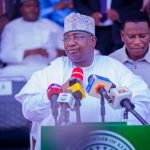
The state Commissioner for Information and Culture, Ahmed Maiyaki, disclosed this on Sunday at a Gala Night organised by the Kano Correspondents’ Chapel as part of its annual retreat in Kaduna.
Maiyaki said insecurity had, in the past, reached a critical level in some rural communities, with bandits allegedly restricting residents’ movements and preventing farmers from accessing their farmlands.
According to him, the situation has significantly improved following the implementation of community-based security initiatives and early warning mechanisms.

More Read

“It was so bad that farmers could not go to their farms. But today, with community-led security and early warning systems, peace has returned, and our farmers are back on the land,” Maiyaki said.
The commissioner explained that the state government’s approach to tackling insecurity goes beyond conventional military operations, stressing that traditional rulers, religious leaders, youth groups and other community stakeholders have been integrated into the security architecture.
He disclosed that 75 potential security threats were identified between 2023 and early 2026, with 70 successfully contained before they could escalate into communal or religious crises.
Agriculture Receives Over N100bn Allocation
Maiyaki said the improvement in security had also enabled the government to significantly increase investment in agriculture.
He revealed that the state’s agricultural allocation rose from approximately N1.4 billion in 2023 to more than N100 billion in 2026.
Part of the funding, he said, had been used to provide farmers with fertiliser at no cost, contributing to a substantial increase in maize production.
According to the commissioner, maize yields that previously averaged about three bags per hectare have risen to as much as 22 bags per hectare in some areas.
Roads Boost Movement of Farm Produce
The commissioner also attributed the return of farmers to improvements in rural transportation infrastructure.
He said roads constructed or rehabilitated across 12 local government areas had made it easier for farmers to transport agricultural produce from farms to markets.
Maiyaki maintained that restoring farming activities was critical to improving food security and the economic wellbeing of residents.

He said the administration’s security strategy was part of a broader development plan covering agriculture, education and healthcare.

“Security is the foundation. Without it, we cannot achieve anything in health, education, or agriculture. Today, Kaduna is setting benchmarks for others to follow,” he said.
The commissioner added that the government was assessing the success of its interventions based not merely on the number of projects completed, but on the tangible impact those initiatives have on the lives and livelihoods of residents.
The Kaduna government says the recovery of the farmlands represents a significant step toward restoring agricultural productivity, improving food security and rebuilding economic activities in communities previously affected by insecurity.