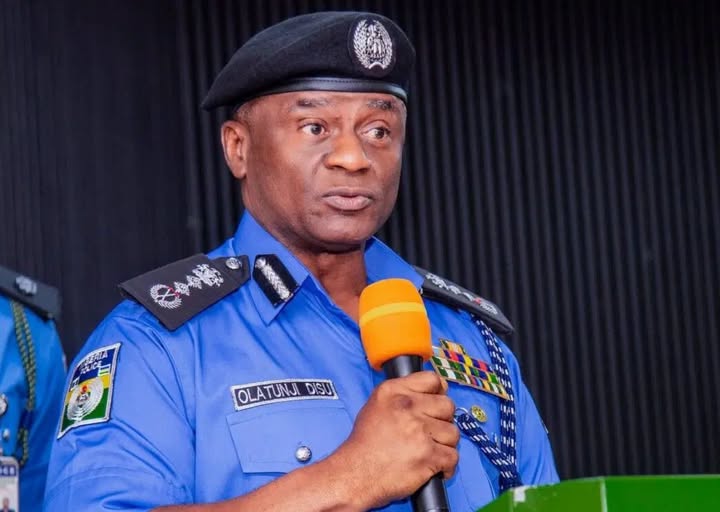
The Nigeria Police Force has clarified that Inspector-General of Police, IGP Olatunji Disu, is not opposed to Nigerians recording police officers while they perform their duties in public.
The clarification followed growing criticism of recent comments by the police chief concerning the filming of police officers during encounters with members of the public.
The Force New Media Officer, Aliyu Giwa, explained in a series of posts on X on Saturday that the IGP’s concern was not about preventing citizens from documenting police activities or shielding officers from accountability.
Rather, he said the concern was about the misuse of such recordings, particularly when encounters with police officers are deliberately turned into social media content, skits or entertainment.
More Read

Giwa urged Nigerians to distinguish between responsible documentation of police activities and what he described as the deliberate exploitation of police encounters for online content.
According to him, legitimate recordings can play an important role in promoting accountability, providing evidence of misconduct and assisting investigations.
He also pointed out that responsible recording could protect police officers from false allegations.
More Read

“As a public institution, the Police must remain open to legitimate scrutiny. Evidence is essential when an officer acts improperly. Similarly, responsible recording can protect officers from false allegations and support investigations,” Giwa said.
However, the police spokesman stressed that the fact that an individual wears a police uniform does not mean the person loses basic rights to dignity and privacy.
Police: We Are Not Banning Nigerians From Recording Officers
Giwa’s clarification came after an X user questioned why police officers were not simply equipped with body cameras if the Force was concerned about citizens recording them.
Responding, Giwa maintained that the IGP did not issue a blanket rejection of citizens recording police officers.
“While you are allowed to interpret it as you see fit, the message from the IGP was concerning the misuse of recordings, not a general rejection of legitimate documentation or accountability,” he said.
He further disclosed that body cameras are part of discussions around modern and accountable policing, noting that the technology could protect both police officers and members of the public.
More Read

“Body cameras are, in fact, part of the broader conversation about modern, accountable policing, and they can protect both citizens and officers,” Giwa said.
Controversy Over IGP’s Earlier Comments
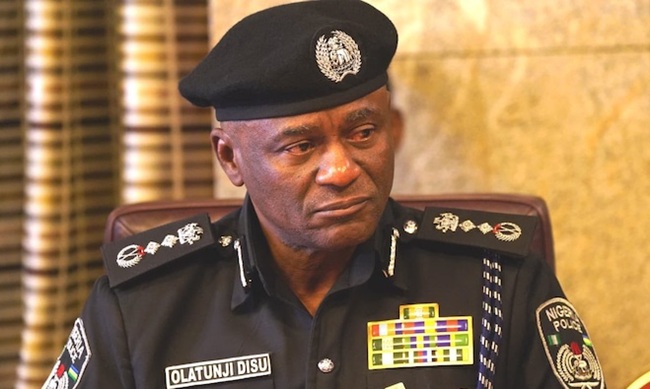
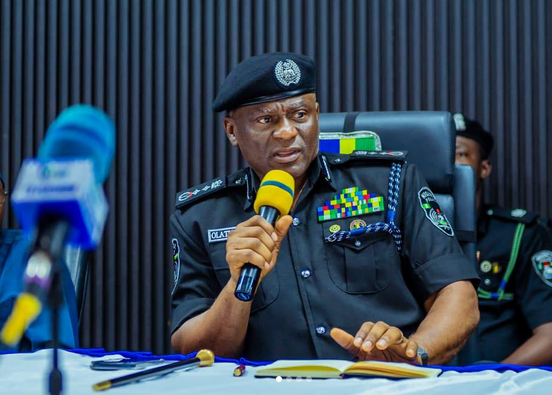
The clarification followed comments made by IGP Disu during a recent courtesy visit by the leadership of the Nigerian Bar Association (NBA) to the Force Headquarters in Abuja.
During the engagement, Disu expressed concern over the practice of recording police officers, particularly when such encounters are used for social media skits.
The police chief described the practice as “very, very demoralizing” to members of the Force.
Disu, however, acknowledged that citizens have the right to record police officers while they are performing their duties in public.
“We are not saying they cannot exercise their rights of recording officers in the public places while doing their jobs,” the IGP said.
He added that citizens should exercise restraint and avoid turning police officers into content for skits or other forms of entertainment.
The comments subsequently generated widespread reactions, with lawyers, human rights advocates and other Nigerians arguing that citizens should be able to document police activities in public, particularly when there are concerns about misconduct.
NBA Calls for Distinction Between Recording and Privacy
The NBA leadership also weighed in on the controversy, stressing the need to distinguish between legitimate recording of police activities in public and unnecessary intrusion into the private lives of police officers.
The debate came against the backdrop of a March 17 judgment of the Federal High Court in Warri, Delta State, which affirmed Nigerians’ right to record police officers while they are performing their duties in public.
The ruling has become an important reference point in discussions surrounding citizens’ rights, police accountability and the use of cameras during law-enforcement operations.
Police Seek Balance Between Rights and Professionalism
Giwa called for a more constructive conversation on the issue, arguing that citizens’ rights and professional policing should not be treated as opposing interests.
“The police need to be accountable and citizens should exercise their rights in a responsible way, we can have that discussion without using insults. The end aim is the same, a more professional Police Force and a safer Nigeria,” he said.
He also rejected attempts to frame the controversy as a confrontation between the police and the public or between the IGP and the NBA.
According to him, the issue should instead be viewed as a discussion about balancing accountability with responsibility, transparency with privacy, and citizens’ rights with the professional discharge of police duties.
Giwa said the meeting between Disu and the NBA leadership demonstrated that institutions could have differing perspectives while still engaging constructively.
“The engagement between the IGP and NBA leadership demonstrates that strong institutions can engage constructively, clarify positions, and collaborate despite differing perspectives,” he said.
‘Do Not Fear the Camera’ — Police
The Force New Media Officer further argued that the increasing use of smartphones and social media meant that cameras had become an unavoidable part of modern society.
He said the solution was not for police officers or institutions to fear cameras, but to ensure that technology was used responsibly.
“In the digital age, the solution is not to fear the camera. Instead, we should use technology responsibly, uphold professionalism, and let truth, rather than social media narratives, define the conversation,” Giwa said.
He added that cameras should not be used to weaken public institutions, just as institutions should not be afraid of legitimate scrutiny.
“The camera should not weaken the institution. Also, institutions should not fear legitimate scrutiny. Both must ultimately serve the truth, justice, and the Nigerian people,” he added.
The police clarification is expected to further shape the ongoing conversation around citizens’ rights to document law-enforcement activities, police accountability, privacy and the responsible use of recorded encounters on social media.
The Force’s position, as clarified by Giwa, is that Nigerians can legitimately record police officers performing their duties in public, but such recordings should be used responsibly and not deliberately transformed into material for ridicule, provocation or entertainment.