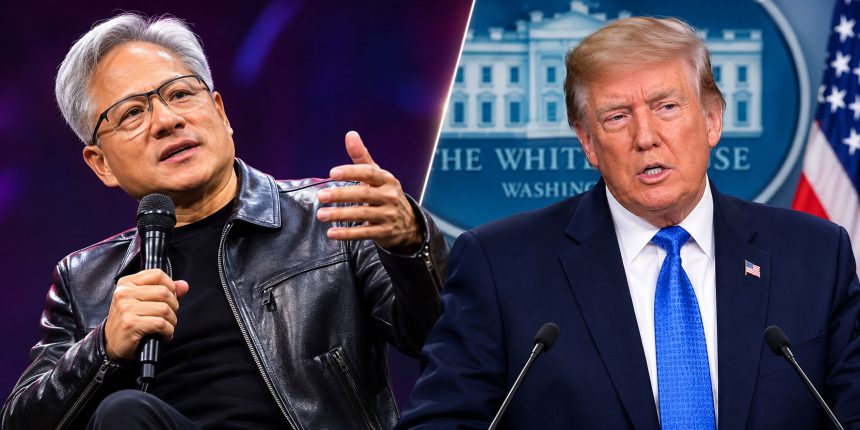
US President Donald Trump has confirmed that the FBI is investigating allegations involving Nvidia chief executive Jensen Huang and a woman suspected by US intelligence officials of having links to Chinese espionage. The controversy has raised fresh concerns about national security, corporate transparency and the growing technological rivalry between Washington and Beijing.
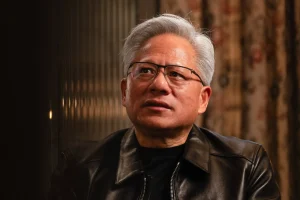
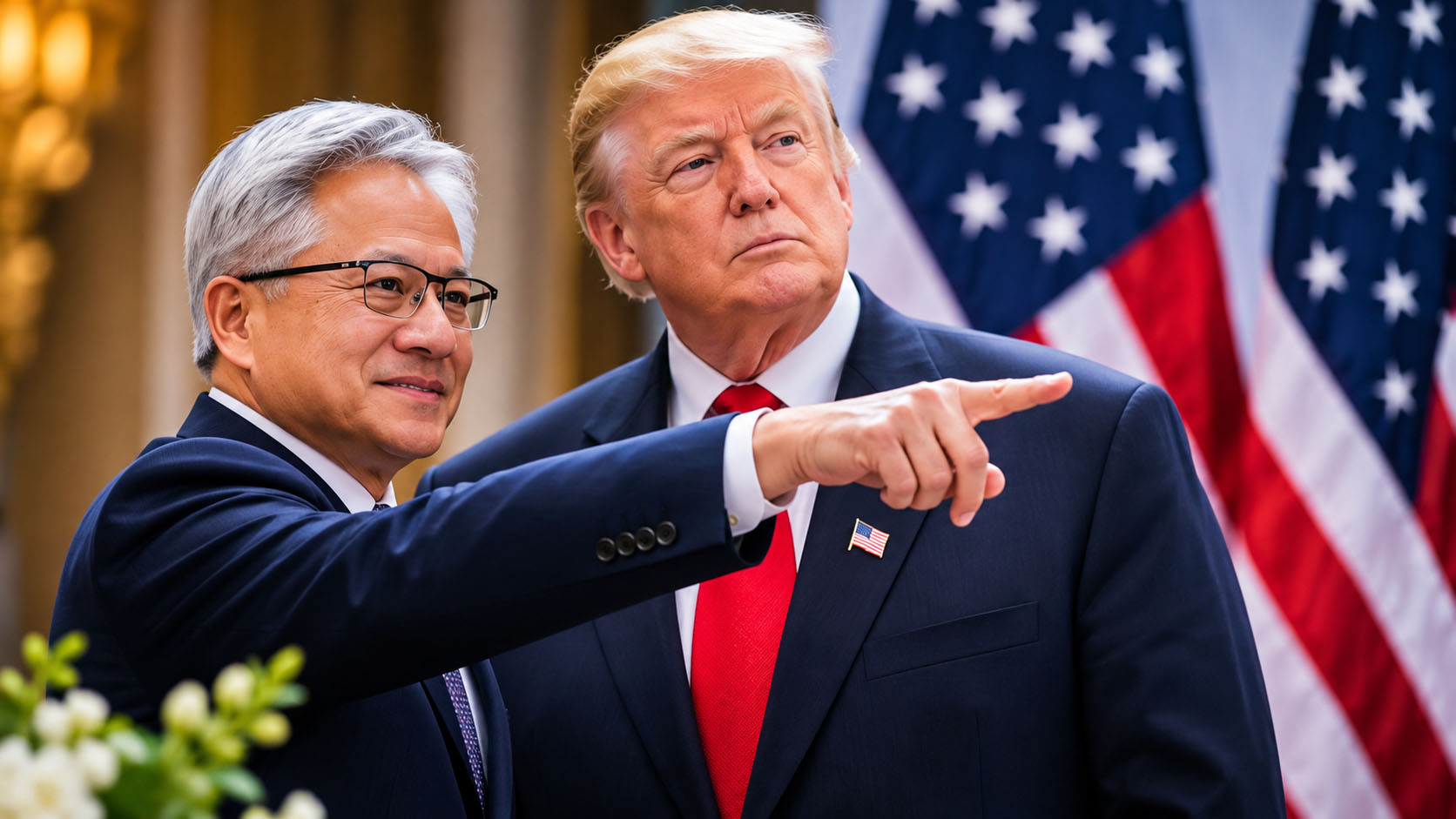
US President Donald Trump has revealed that the Federal Bureau of Investigation (FBI) is investigating allegations surrounding Nvidia CEO Jensen Huang and his reported relationship with Alice Huang, a Singapore-based business executive suspected by US intelligence officials of being a Chinese intelligence operative.
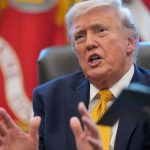
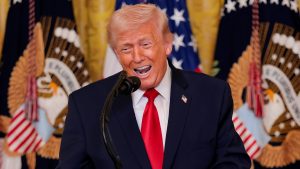
Speaking to reporters at the White House, Trump disclosed that he had personally spoken with Jensen Huang on Monday to ask whether he knew about the woman’s alleged intelligence connections.
According to Trump, Huang denied having any knowledge of her alleged activities.
“I asked him that question, ‘Did you have any idea she was a spy?’ He said, ‘I had no idea she was a spy,’ and I really believe him,” Trump told reporters.
More Read

The US president described Huang as an honourable individual and expressed confidence that he would emerge favorably from the investigations. However, he did not provide details about when the FBI investigation began or the specific areas being examined.
The FBI declined to comment when approached by the BBC.
More Read

Alleged Chinese Espionage Connections Raise National Security Concerns
The controversy emerged following reports by The New York Times that US intelligence officials believe Alice Huang, also known as Huang Le, was involved in Chinese espionage activities.
She is not related to Jensen Huang.
According to the report, US Secretary of State Marco Rubio sent a confidential memo to senior government officials last spring, warning that the Nvidia chief executive was reportedly involved in a close relationship with a woman suspected of having connections to Chinese intelligence.
Alice Huang previously served as managing director of Singapore-based company Megaspeed, which reportedly had business dealings with Nvidia.
The allegations have attracted significant attention because Nvidia occupies a central position in the global artificial intelligence industry, with its advanced semiconductor technology playing a major role in the development of AI systems.
Washington has repeatedly expressed concerns about the potential transfer of sensitive American technology to China, particularly products that could strengthen Beijing’s military and surveillance capabilities.
More Read

Nvidia Launches Independent Investigation
In response to the controversy, Nvidia has commissioned an independent investigation into the matter.
The company has maintained that it has no reason to believe its confidential business information or American national security interests have been compromised.
Jensen Huang has also publicly stated his commitment to protecting Nvidia and supporting US national security.
He said he would cooperate with the investigation initiated by the company.
Huang has separately acknowledged being unfaithful to his wife and apologised for the pain caused to his family. However, the personal relationship allegations and the claims concerning Chinese espionage remain distinct issues, with no publicly established evidence that Nvidia’s technology or confidential information was compromised.
Nvidia Faces Shareholder Lawsuit
The controversy has also triggered legal challenges against Nvidia and its chief executive.
On Monday, a proposed class-action lawsuit was filed in California, accusing Huang and the company of misleading shareholders by allegedly concealing his relationship with Alice Huang.
The lawsuit claims that Nvidia misrepresented information about the relationship and alleges that Alice Huang was suspected of seeking to facilitate the movement of Nvidia products into China.
The allegations contained in the lawsuit have not been established in court.
The legal development comes amid mounting scrutiny of Nvidia’s corporate governance and its responsibility to protect sensitive technology.
The company’s shares reportedly fell by more than four per cent on Monday, wiping approximately $250 billion off its market value.
US Lawmakers Seek Answers From Nvidia CEO
The matter has also attracted the attention of members of the US Congress.
Jensen Huang has reportedly been invited to participate in a closed-door briefing involving several congressional committees next week.
A letter requesting his appearance reportedly indicated that lawmakers wanted information about Nvidia’s security protocols against foreign intelligence operations, as well as his interactions with Alice Huang and her company, Megaspeed.
It remains unclear whether the Nvidia chief executive will attend the proposed briefing.
Meanwhile, employees at Nvidia’s headquarters in Santa Clara, California, reportedly told the BBC that business operations continued normally despite the growing media attention.
China Rejects Espionage Allegations
The Chinese government has strongly rejected claims that Alice Huang was involved in espionage activities targeting Nvidia or its chief executive.
Responding to the allegations, China’s Foreign Ministry described them as “entirely groundless, speculative and intended to smear and malign China.”
The response reflects the broader diplomatic tensions between Washington and Beijing, particularly over artificial intelligence, semiconductor manufacturing and access to advanced computing technology.
China has consistently opposed US restrictions on its access to advanced semiconductor products, describing such measures as attempts to limit its technological development.
Nvidia at the Centre of the US-China AI Competition
Founded in 1993 by Jensen Huang and two fellow engineers, Nvidia initially built its reputation designing graphics processing units (GPUs) for the gaming industry.
However, the company’s strategic shift towards artificial intelligence and high-performance computing transformed it into one of the world’s most valuable technology businesses.
Its semiconductor products are now essential to the development of advanced AI models, data centres and other computing applications.
The company’s position has also made it a major focus of US export-control policies.
Washington previously restricted the sale of certain advanced Nvidia chips to China over concerns that the technology could strengthen China’s artificial intelligence and military capabilities.
Jensen Huang has consistently argued against excessive restrictions on semiconductor exports to China, maintaining that allowing American companies to compete in the Chinese market is important for preserving US technological leadership.
In January, the Trump administration announced that Nvidia would be permitted to sell its H200 artificial intelligence chips to approved Chinese customers under certain conditions.
However, some of Nvidia’s most advanced semiconductor products, including the GB200 Blackwell platform, remain restricted from the Chinese market.
Trump Says He Expects to Discuss the Matter With Xi Jinping
Trump also suggested that the allegations could become a subject of discussion between himself and Chinese President Xi Jinping during their next meeting.
The US president has repeatedly warned about the national security implications of allowing China to gain a leading position in artificial intelligence.
For now, the investigations into the allegations involving Alice Huang and her reported relationship with Jensen Huang remain ongoing.
While Nvidia maintains that there is no indication its secrets or national security interests have been compromised, the controversy has placed renewed attention on the intersection of corporate leadership, international espionage and the global competition for artificial intelligence dominance.
The outcome of the investigations could have significant implications for Nvidia, its shareholders and the broader debate over the protection of advanced American technology.