TEHRAN — Iran has rejected fresh threats of sweeping United States economic sanctions, describing Washington’s latest pressure campaign as a desperate attempt to force Tehran into submission, as tensions between the two countries continue to escalate.
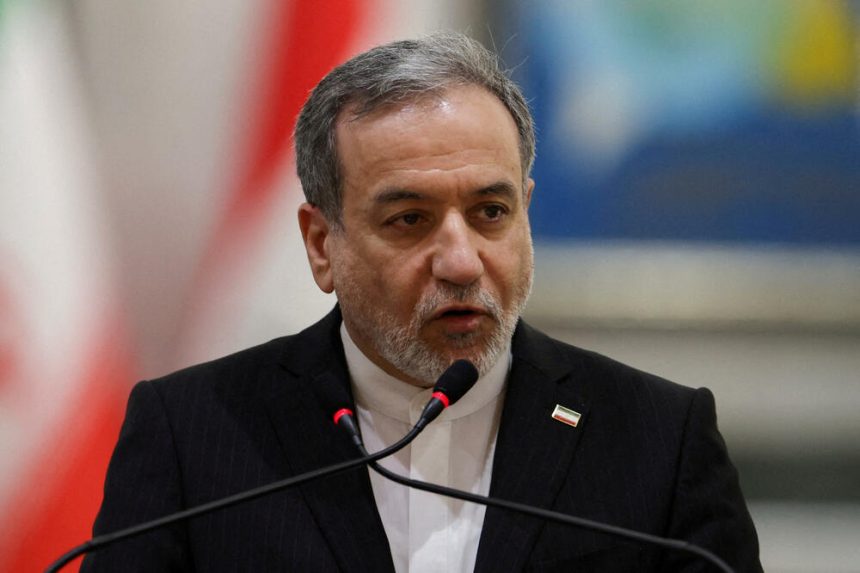
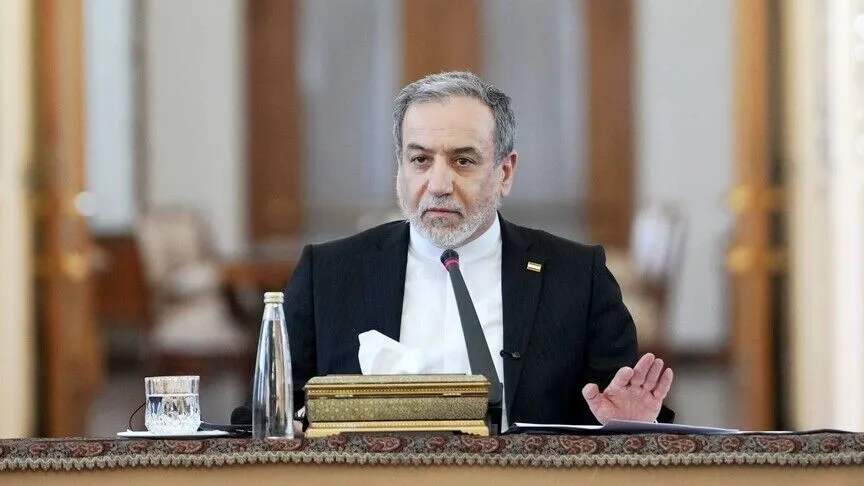
Iranian Foreign Minister Abbas Araghchi said on Sunday that Tehran was not intimidated by Washington’s latest threats and insisted that previous American economic and military measures had failed to achieve their objectives.
His comments came as US President Donald Trump intensified his economic pressure on Iran, with Washington preparing additional sanctions that US Treasury Secretary Scott Bessent has described as the “toughest sanctions in history.”
Araghchi, speaking in a video message posted on Telegram, argued that the United States’ decision to return to economic pressure after months of military confrontation demonstrated what he described as Washington’s desperation.
He called on the United States to abandon what he described as coercive policies and instead engage Tehran through respectful negotiations aimed at reaching what he termed a solution based on “justice and honour.”
More Read

Pezeshkian Admits Iran Faces Economic Problems
Despite the government’s defiant position, Iranian President Masoud Pezeshkian acknowledged the severe economic difficulties confronting the country.
Pezeshkian said Iran was facing what he described as a “full-scale economic, military and security war”, while promising that his government was working to address inflation, unemployment and worsening living conditions.
More Read

“I understand we have many problems in society right now,” Pezeshkian said, according to reports of his televised remarks.
He said the government was working to protect the purchasing power and dignity of ordinary Iranians while seeking ways to secure the country’s economic future.
The comments come amid prolonged economic pressure on Iran, where sanctions, disrupted trade and instability surrounding the conflict have intensified pressure on households and businesses.
Pezeshkian has also argued that the recently negotiated memorandum with Washington could provide a route out of the current state of “neither war nor peace,” although major disagreements between Tehran and Washington remain unresolved.
Iran Warns Neighbours Against Supporting US Economic Pressure
The confrontation has also widened beyond the United States and Iran.
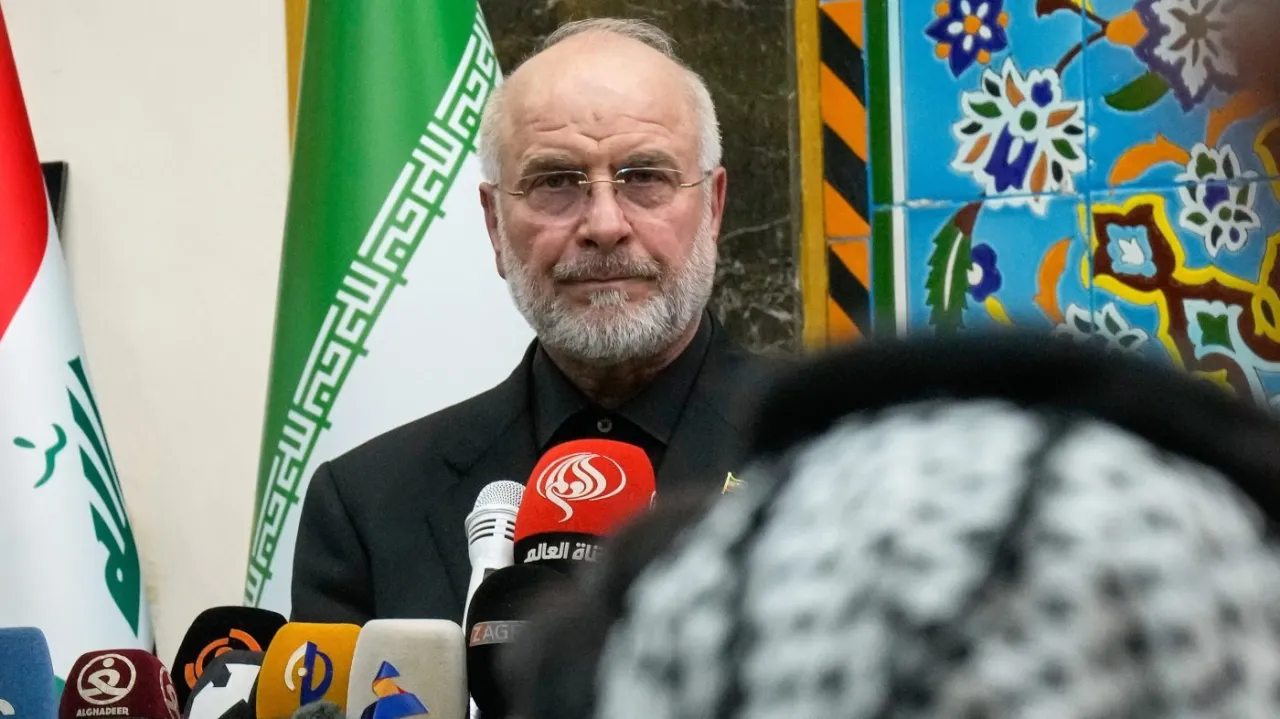
Mohsen Rezaei, the newly appointed head of Iran’s Supreme National Security Council, warned neighbouring countries against supporting Washington’s efforts to isolate Tehran economically.
More Read

Rezaei said countries that participated in the US campaign against Iran could be regarded as enemies and warned that Iranian retaliation could extend to their economic interests.
He also suggested that Iran had yet to use some of its economic and commercial leverage against American interests in the region.
The warning is particularly significant because of the continuing dispute over the Strait of Hormuz, one of the world’s most strategically important shipping routes.
Iran has sought to maintain leverage over shipping through the waterway, while negotiations involving Oman have continued over arrangements for maritime traffic.
Hormuz Remains at the Centre of the Crisis
The Strait of Hormuz has become one of the biggest pressure points in the confrontation.
The waterway is a critical route for international energy supplies, and restrictions on shipping through the strait have contributed to concerns about global oil prices, energy security and international trade.
Washington has been pushing for the reopening of the waterway while simultaneously increasing economic pressure on Tehran.
Trump has also threatened countries and companies that continue doing business with Iran, raising the possibility that Washington’s campaign could extend beyond Iranian entities to major trading partners.
China, one of Iran’s most important economic partners, has opposed the US pressure campaign and argued that sanctions will not provide a solution to the wider conflict.
UAE Suspends Trade With Iran
The pressure on Tehran has also created complications for its regional economic relationships.
The United Arab Emirates has suspended trade and financial transactions with Iran, according to reports, adding another layer to Tehran’s growing economic challenges.
The development is significant because the UAE has historically been an important commercial gateway for Iranian businesses.
Meanwhile, Washington is seeking cooperation from countries that continue to purchase Iranian oil, particularly major buyers such as China and India.
US Signals Tougher Measures
The Trump administration says its latest economic campaign is intended to force Tehran to make major concessions, particularly on its nuclear programme and the Strait of Hormuz.
Bessent has warned that Washington’s forthcoming measures will represent some of the most severe sanctions ever imposed on Iran.
The United States has also used a combination of sanctions, financial restrictions and maritime pressure as part of its broader “Operation Economic Fury” campaign.
Washington argues that the measures are designed to deprive Tehran of the resources needed to continue its military activities and force it back to negotiations.
Iran, however, maintains that decades of sanctions have failed to force the Islamic Republic to surrender its strategic interests.
Europe Looks for Alternatives to Hormuz
The continuing uncertainty around the Strait of Hormuz is also pushing other countries to explore alternative trade and energy routes.
France and Saudi Arabia are reportedly working on plans to strengthen alternative logistics and energy connections between the Middle East and Europe.
Proposals include expanding the use of ports outside the Persian Gulf, increasing pipeline capacity and developing new rail connections that could reduce dependence on the Strait of Hormuz.
Such projects could become increasingly important if the disruption of shipping through the waterway continues.
Diplomatic Door Remains Open
Despite the increasingly hostile rhetoric, diplomatic efforts have not completely collapsed.
Iranian officials continue to signal that they are prepared to negotiate, provided Washington approaches Tehran on terms Iran considers respectful and acceptable.
Pezeshkian has defended the memorandum negotiated with the United States as a potential pathway out of the current crisis, arguing that Iran needs stability to attract investment and rebuild its economy.
For Washington, however, the central objective remains applying enough economic pressure to force Tehran into accepting major concessions.
For Tehran, the challenge is to withstand the economic consequences without allowing domestic hardship to undermine political stability.
With new US sanctions expected to intensify the pressure and Iran warning of retaliation against countries that participate in Washington’s campaign, the confrontation now appears to be entering a potentially more dangerous economic phase.
The biggest question is whether the new sanctions will force Iran back to the negotiating table — or push the crisis around the Strait of Hormuz into an even wider regional confrontation.