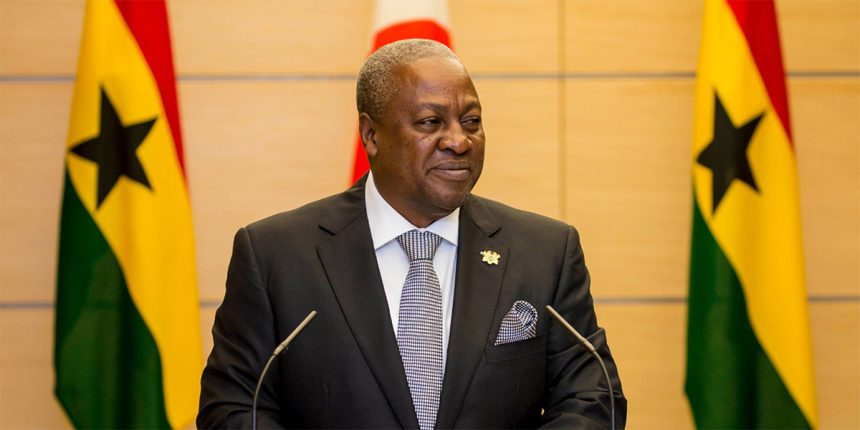
Accra, Ghana – Ghana’s government has approved a landmark proposal to extend the presidential term of office from four years to five years as part of a broader constitutional reform aimed at strengthening governance and improving policy implementation.
The decision follows recommendations by the Constitutional Review Committee established in 2025 by President John Dramani Mahama to review provisions of the country’s 1992 Constitution.
In addition to the proposed extension of the presidential tenure, the government also endorsed a recommendation to increase the tenure of Parliament from four years to five years, ensuring that both the Executive and Legislature operate on the same electoral cycle.
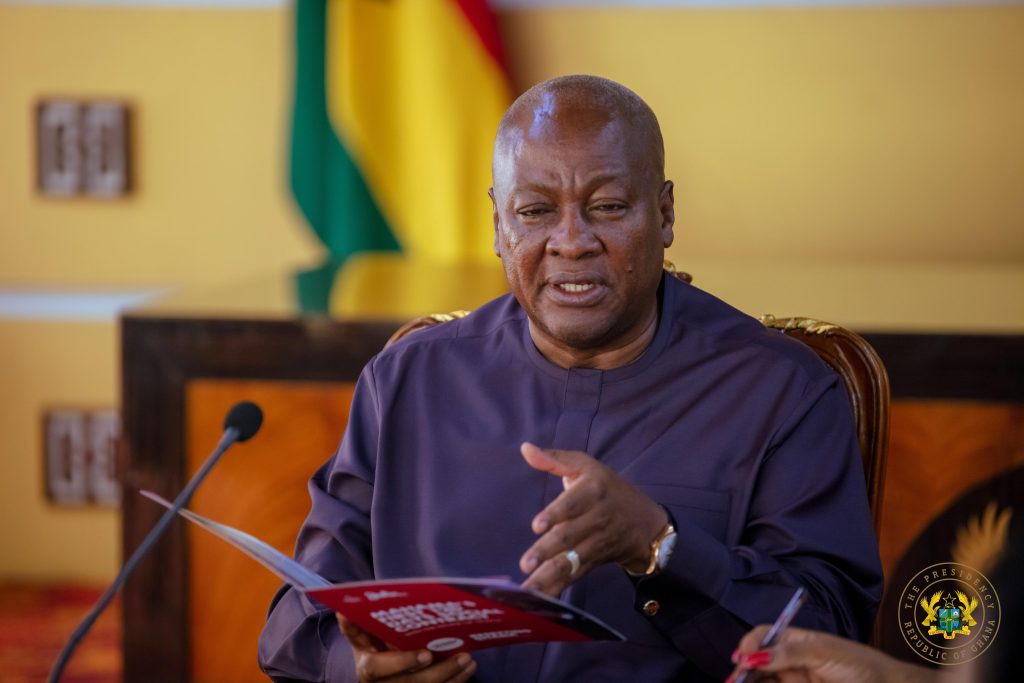
Officials say the proposed reforms are intended to provide elected governments with sufficient time to implement their development programmes, arguing that election campaigns and transition periods significantly reduce the effective time available for governance.
More Read
The government also approved a proposal to lower the minimum age requirement for presidential candidates from the current 40 years to 35 years. However, it rejected the committee’s recommendation to reduce the age limit further to 30 years.
Another significant reform accepted by the government is the proposal to shift presidential elections to the first week of November. Authorities say the move will create a longer transition period between elections and the constitutionally mandated inauguration on January 7, allowing for a smoother transfer of power.
More Read

Despite the government’s approval, the proposed constitutional amendments are yet to become law. The bill will undergo the required legislative and constitutional processes before being presented to Ghanaians in a national referendum expected to take place in 2027.
Under Ghana’s constitutional provisions, the amendments can only be adopted if at least 40 percent of registered voters participate in the referendum, with a minimum of 75 percent of valid votes cast in favour of the proposed changes.
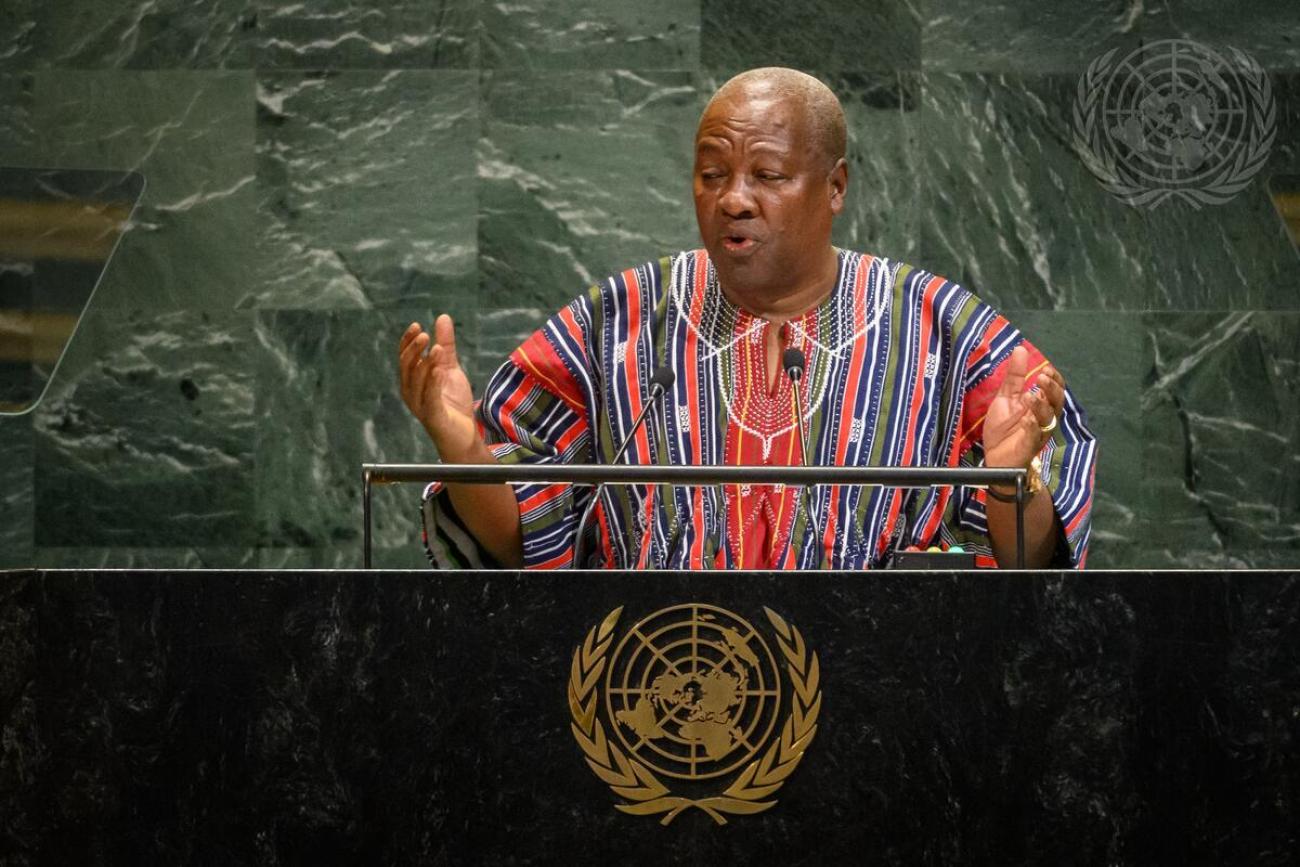
If approved by voters, the reforms would mark one of the most significant constitutional changes in Ghana’s democratic history since the adoption of the 1992 Constitution, potentially reshaping the country’s electoral calendar and governance structure for years to come.