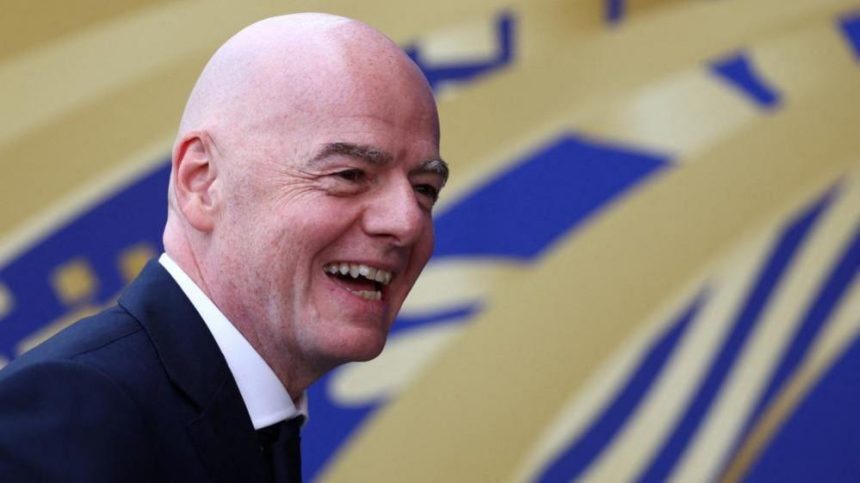
Zurich – FIFA has defended its controversial proposal to allow private investors to buy minority stakes in its commercial operations, insisting that “nobody is selling football” despite growing opposition from major football governing bodies around the world.
The governing body released a statement on Friday reaffirming its commitment to the proposal after fierce criticism from UEFA, Concacaf, and the Asian Football Confederation (AFC).
“We respect the feedback and concern aired in public and reaffirm our commitment to an open and democratic consultation,” FIFA said.
“We will proceed with this consultation process to ensure that each member association has the ability to express its vote based on facts. Nobody is selling football. This is not something FIFA would ever entertain.”
More Read

FIFA’s Proposal
Under the plan, FIFA intends to establish a new commercial subsidiary known as FIFA Forward Enterprise (FFE) to manage its major competitions, including the FIFA World Cup.
External investors would be permitted to acquire minority, non-controlling stakes in the company, with FIFA maintaining overall governance of world football.
FIFA argues that the new structure would create greater commercial opportunities and allow member associations to benefit financially without compromising the sport’s integrity.
More Read

According to FIFA, the initiative is designed to ensure that all member associations can “take meaningful ownership of the commercial opportunity of football in their respective countries.”
Financial Incentives
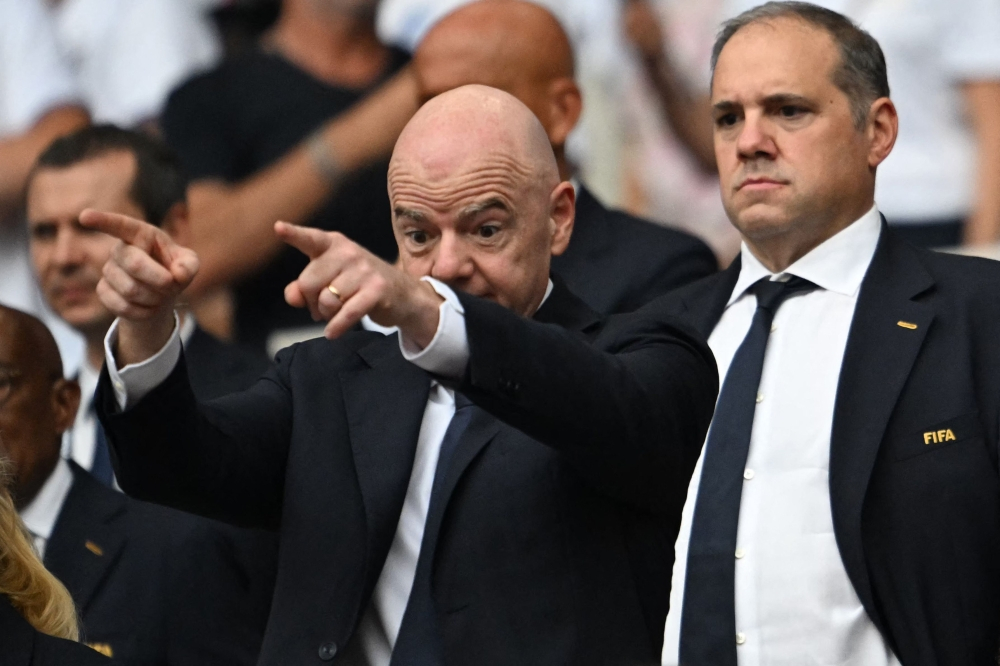
FIFA President Gianni Infantino has reportedly informed member associations that each federation supporting the proposal could receive $40 million, with an initial $20 million available before September 19 for those that approve the plan.
If approved, American venture capital firm Thrive Eternal is expected to lead the investment group behind FIFA Forward Enterprise. The company was founded by Joshua Kushner, the brother of Jared Kushner, son-in-law of U.S. President Donald Trump.
Growing Opposition
The proposal has faced strong resistance from UEFA and Concacaf, whose combined 96 member associations represent a significant voting bloc within FIFA’s 211-member congress. Infantino would require at least 106 votes for the proposal to be approved.
UEFA issued a strongly worded statement condemning the proposal.
More Read

“The World Cup cannot be treated as an investment product,” UEFA said.
“It is one of football’s greatest sporting legacies. No part of it should ever be surrendered to private investors. The World Cup is not for sale.”
The European governing body further accused FIFA’s leadership of failing in its responsibility to protect the game’s heritage.
Concacaf also rejected the proposal, expressing concerns over the lack of transparency, limited consultation, and what it described as an “artificially short deadline.”
The confederation questioned why FIFA needed private investment after claiming that the most recent World Cup was its most profitable tournament in history.
The AFC echoed similar concerns, criticizing FIFA for acting without adequate consultation and describing the process as “unacceptable.”
Meanwhile, South America’s governing body, CONMEBOL, has yet to publicly comment, while the Confederation of African Football (CAF) and the Oceania Football Confederation (OFC) are expected to discuss the proposal during meetings scheduled for August.
Xabi Alonso Speaks Out
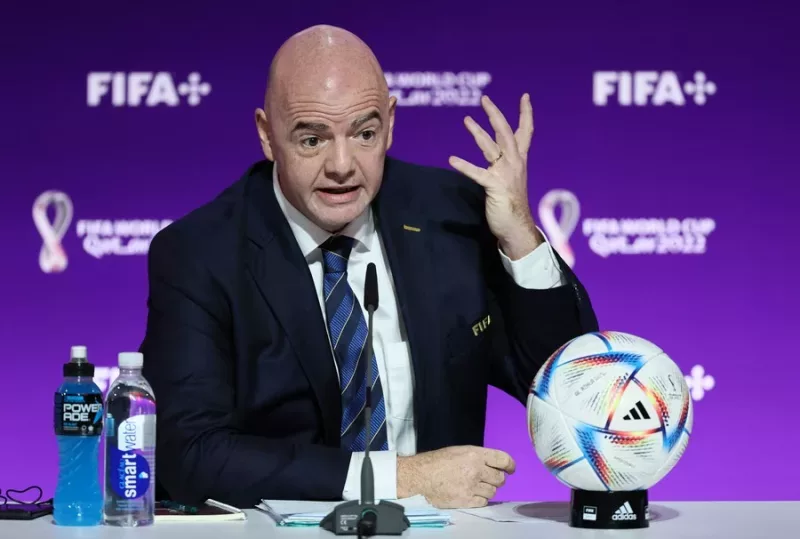
Chelsea manager and 2010 FIFA World Cup winner Xabi Alonso also voiced his opposition during his club’s pre-season tour of Australia.
“I think football has to be for the people, not in private hands,” Alonso said.
“We’ve seen a great World Cup, and it’s important to defend the interests of everyone involved in the game. Hopefully it won’t happen, and we will keep football attractive, authentic, and accessible for everyone.”
What’s Next?
FIFA’s consultation with its 211 member associations continues ahead of the September 19 deadline. Whether Infantino can secure the required majority remains uncertain, as resistance from several continental confederations continues to grow.
The outcome could shape the future commercial structure of world football and determine whether private investment will play a role in the governance and financial management of FIFA’s flagship competitions.