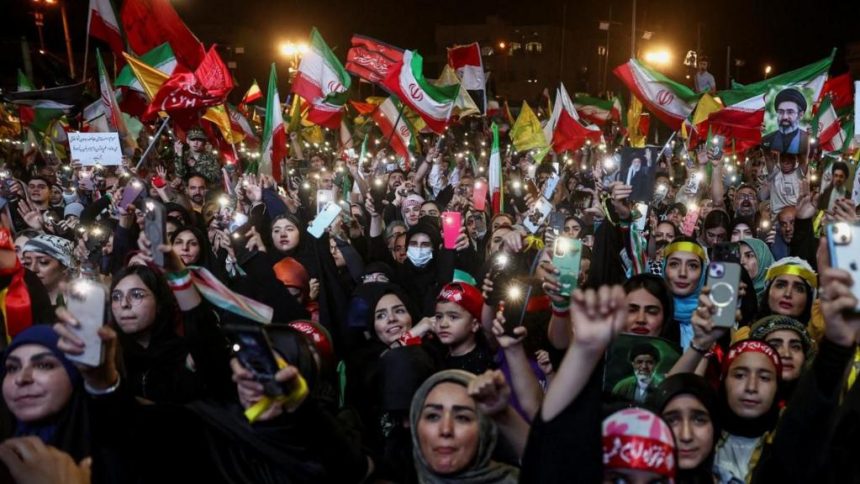
Tensions in the Middle East escalated dramatically on Monday as Israel launched a series of airstrikes on military targets inside Iran, hours after Tehran fired multiple ballistic missiles toward northern Israel in what analysts describe as one of the most serious confrontations between the two regional rivals in recent months.
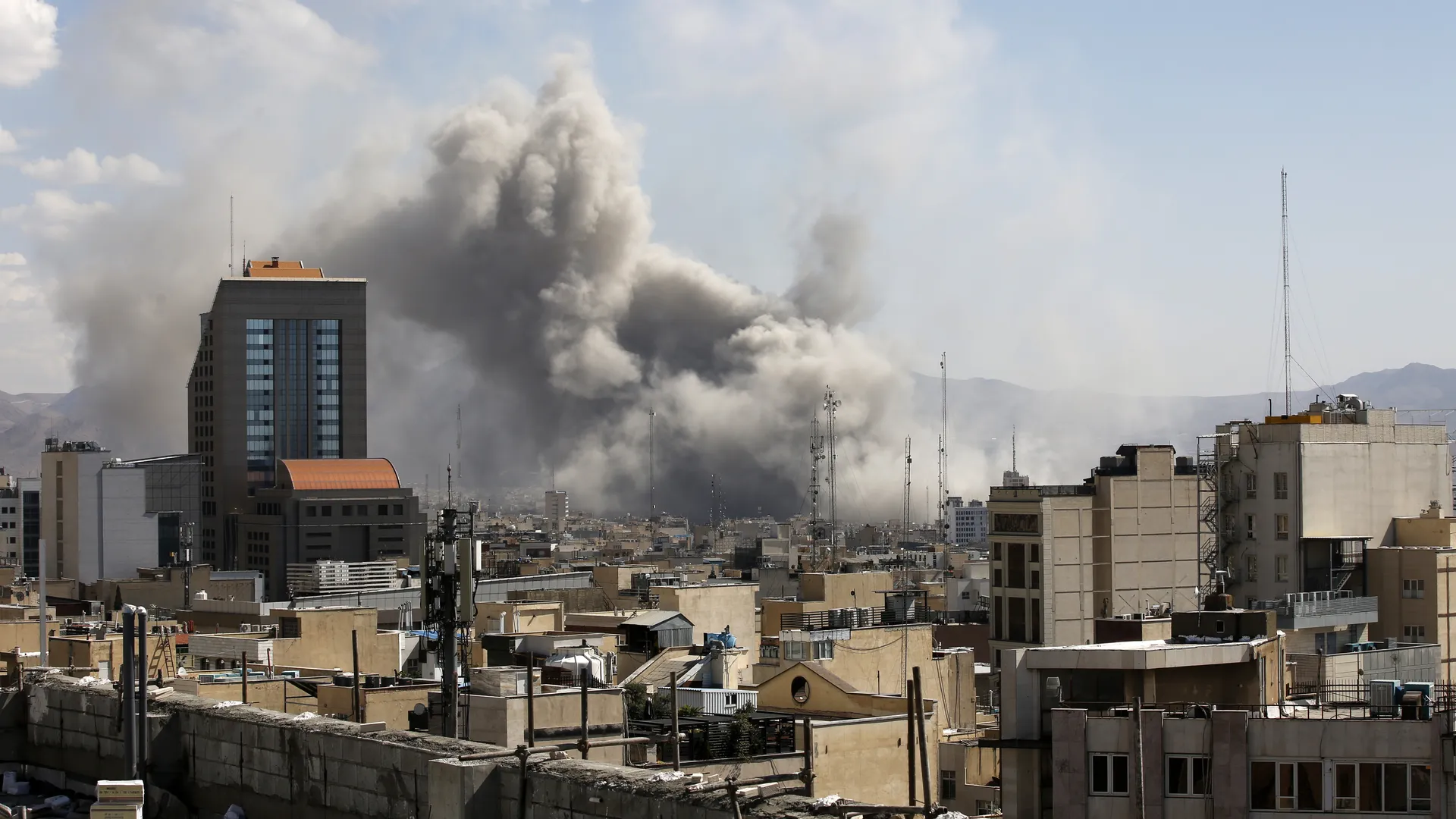
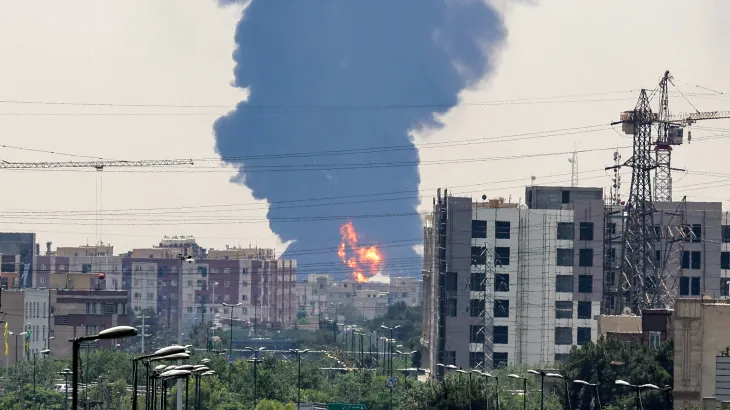
According to the Israeli military, the strikes targeted missile launch sites and military infrastructure in central and western Iran. Explosions were reported in several Iranian cities, including Tehran, Isfahan, Tabriz, Karaj, and Kermanshah. Israeli officials said the operation was carried out in direct response to Iran’s missile barrage, which involved 11 ballistic missiles launched toward Israeli territory.
The Iranian missile attack came after an Israeli strike on Hezbollah-linked targets in Beirut’s southern suburbs, an action that Tehran condemned as a major provocation. Iranian authorities described their missile launch as a warning and vowed stronger retaliation if Israeli military operations continue.
Israeli defense officials stated that most of the incoming missiles were intercepted by air defense systems or landed in uninhabited areas, resulting in no immediate reports of significant casualties. However, the attack triggered air raid sirens across northern Israel and prompted heightened security measures nationwide.
More Read
The latest exchange has shattered hopes that a fragile ceasefire established earlier this year would hold. Security experts warn that continued retaliatory strikes could draw additional regional actors into the conflict and further destabilize an already volatile Middle East.
The United States distanced itself from Israel’s latest military action, with a U.S. defense official confirming that American forces did not participate in the strikes on Iran. Meanwhile, international leaders have renewed calls for restraint and urgent diplomatic engagement to prevent a broader regional war.
More Read

As both nations exchange warnings and military actions, concerns are mounting that the confrontation could evolve into a larger conflict with far-reaching consequences for regional security, global energy markets, and international diplomacy.