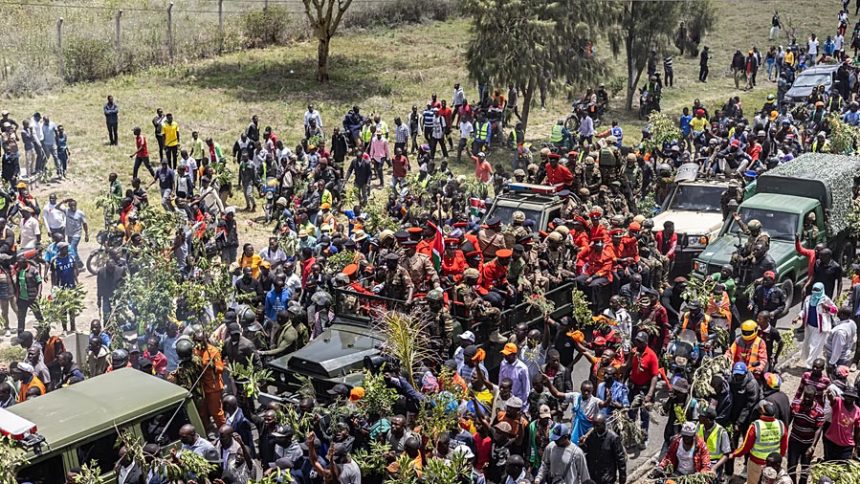
RABUOR, KISUMU — As mourners gathered in the lakeside town of Rabuor to bid farewell to a departed loved one, the air was thick with grief. Wails rose, dirges echoed, and tears flowed freely. But among the crowd, not everyone shedding tears shared a personal connection to the deceased.
Some were professionals — paid to mourn.
In western Kenya, particularly among the Luo community, funerals are deeply rooted in tradition, where a large and emotional send-off is considered essential. Increasingly, families and social networks are turning to professional mourners to ensure that cultural expectations are met, even when relatives are few or far away.
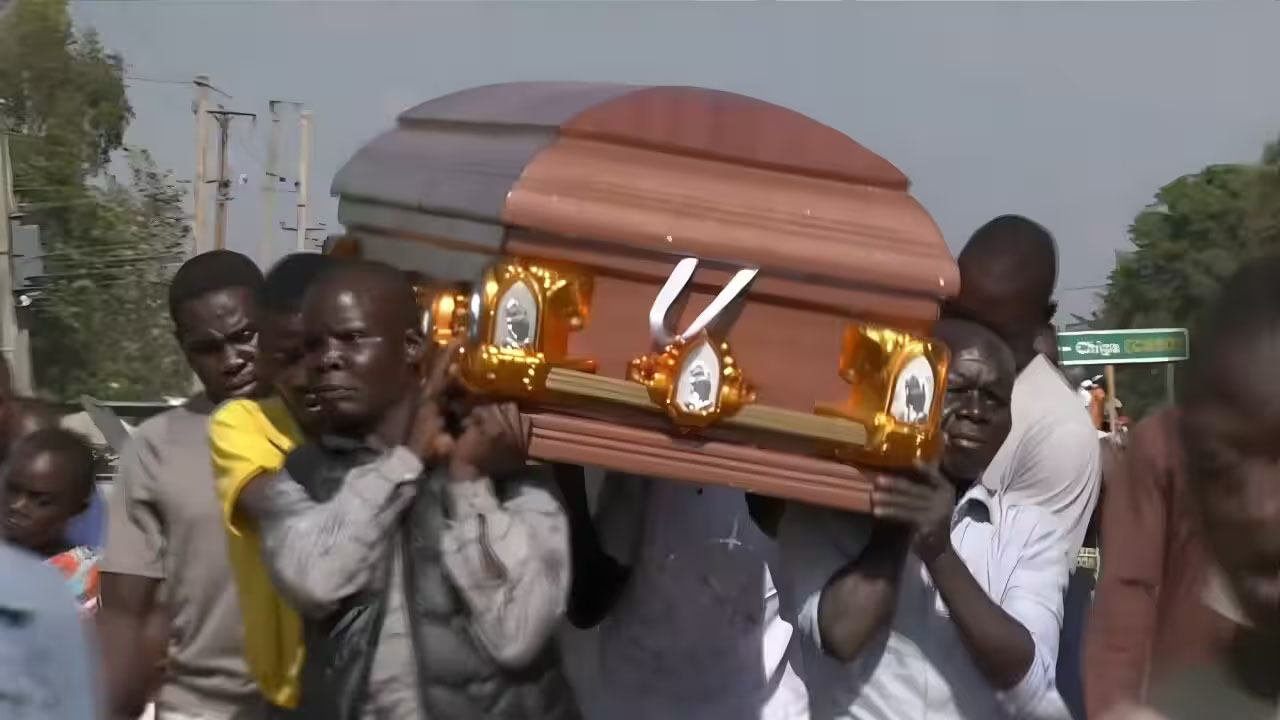
For individuals like Victor Ouma, professional mourning has become more than just a cultural practice — it is a livelihood.
More Read

“It is difficult to find a job in Kenya,” Ouma explains. “We decided to take advantage of funerals since they occur regularly. It’s a way to earn an income away from crime and idleness.”
Ouma is part of a growing number of Kenyans who have turned grief into a structured service. Operating as organized groups, professional mourners often offer full funeral packages that may include catering, tents, and coordinated mourning.
Their work begins as soon as the body leaves the mortuary. From that moment until burial, they lead the emotional tone of the ceremony — wailing, singing, and expressing sorrow in ways that align with cultural expectations.
More Read

Francis Oyoo, another professional mourner, says their services fill a critical gap in modern Kenyan society.
“At times a person has no family but has money,” Oyoo says. “They still need people to stand with them and give their loved one a better send-off. That’s where we come in.”
For families like that of Georgina Achieng, hiring professional mourners is not just practical — it is spiritual.
“In Luo culture, if someone is not given a proper send-off, their spirit may not rest,” she explains. “It could hover and even trouble the living. A good farewell ensures the spirit is at peace.”
A large funeral procession is also seen as a reflection of status and respect for the deceased. In some cases, mourners are arranged not only by family but by friends and broader social networks to demonstrate the individual’s standing in the community.
Before the ceremony, hired mourners are often briefed about the life and personality of the deceased, helping them connect emotionally to the role they are about to perform.
More Read

“We don’t have to be related to the person,” says Willis Omondi, a manager of a professional mourning group. “We imagine if it were our own relative. That feeling allows us to mourn sincerely.”
Experts say the rise in professional mourning reflects wider societal changes. According to Owuor Olunga, a professor of anthropology at the University of Nairobi, shifting family structures are a key factor.
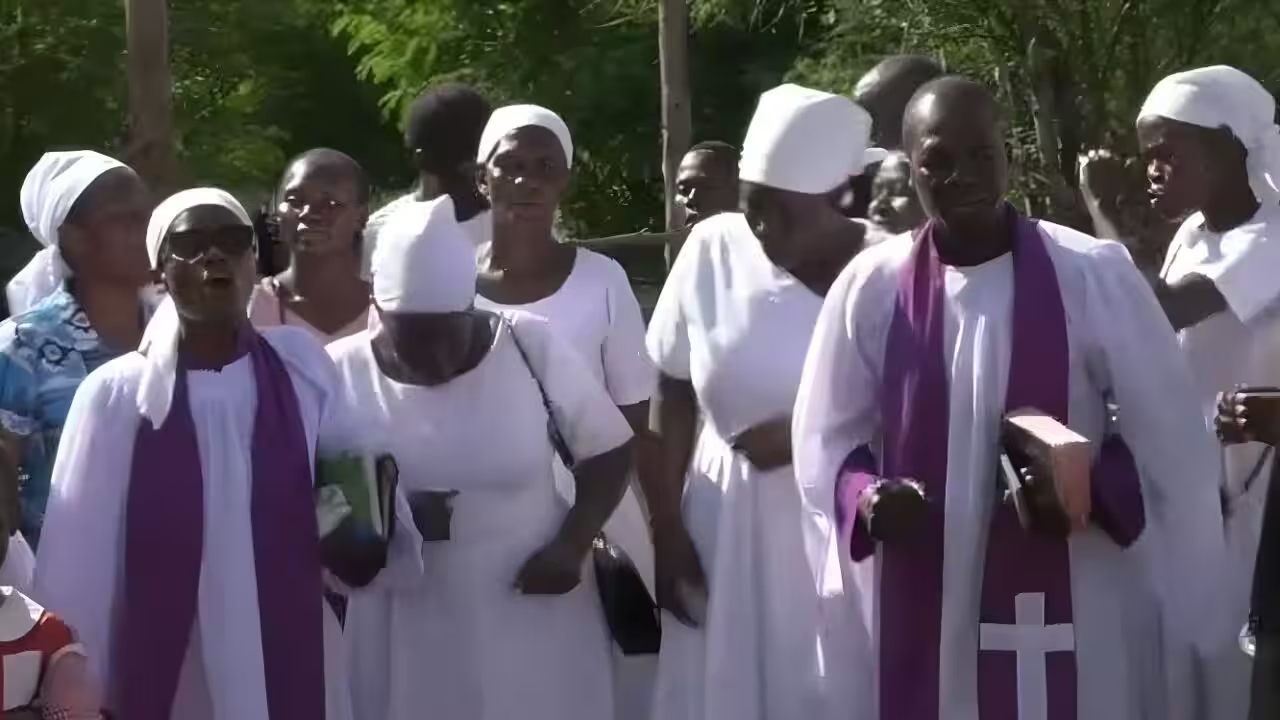
“Families are becoming more nuclear,” he notes. “In urban areas especially, there may not be many relatives available when someone passes on. In such cases, social networks — or even hired mourners — help fill that void.”
Back in Rabuor, as the coffin is lowered into the grave, the cries of grief reach their peak. For family and friends, it is a moment of final farewell. For the hired mourners, it is the conclusion of another assignment — and a continuation of a unique profession shaped by both tradition and necessity.
In a country where jobs are scarce and cultural values remain strong, the business of mourning is quietly growing — one funeral at a time.