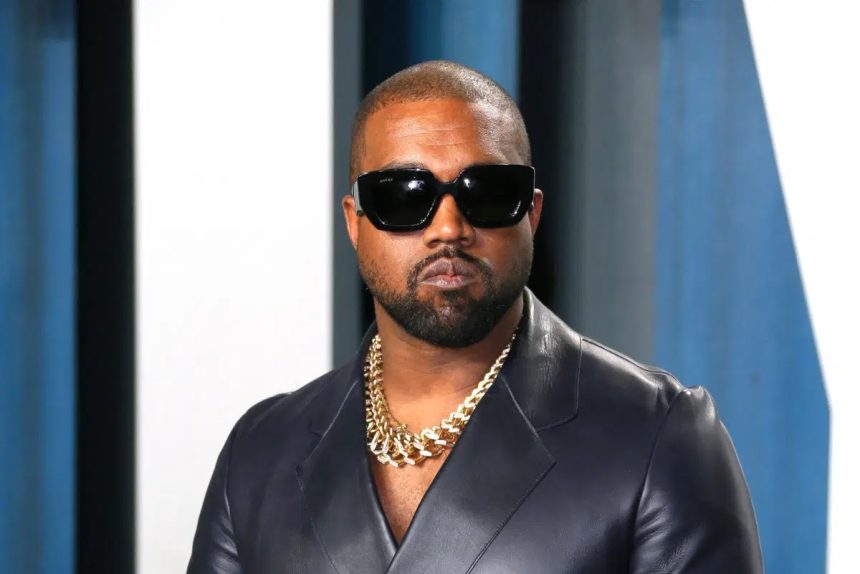
French authorities are seeking to block a planned concert by US rapper Kanye West in Marseille, citing concerns over his history of antisemitic remarks and controversial public statements.
Interior Minister Laurent Nunez is “highly determined” to prevent the performance scheduled for June 11 at the city’s Velodrome stadium, according to a source close to the minister. Officials are reportedly exploring “all possibilities” to stop the event from going ahead.
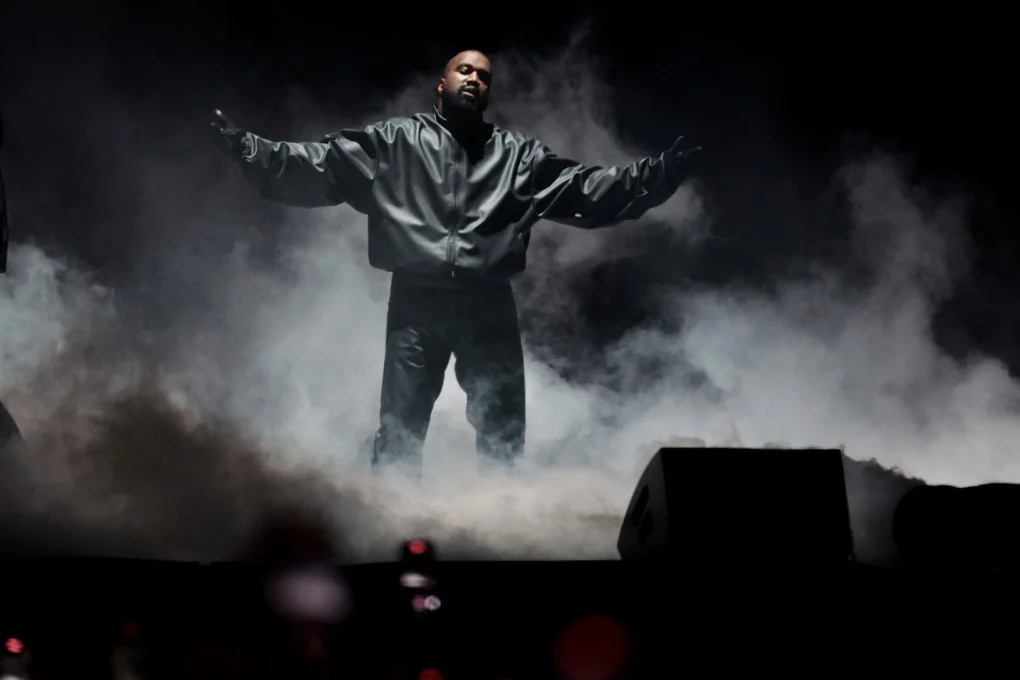
The move follows growing criticism of West, also known as Ye, who has sparked outrage in recent years for making antisemitic comments and expressing admiration for Adolf Hitler. His actions have led to widespread backlash across Europe and beyond.
During a visit to Marseille last week, Nunez discussed the potential ban with regional authorities, including the prefect and the city’s mayor. Marseille’s left-wing mayor, Benoît Payan, has openly opposed the concert, stating he would refuse “to allow Marseille to be a showcase for those who promote hatred.”
The controversy surrounding West has already prompted action in other countries. The United Kingdom has barred the rapper from entering the country, forcing organisers to cancel a festival where he was due to headline in July. British Prime Minister Keir Starmer previously described the decision to book West as “deeply concerning.”
In contrast, Dutch officials have so far taken a more cautious stance. The Netherlands’ asylum and migration minister, Bart van den Brink, said last week there are currently no plans to deny the artist entry.
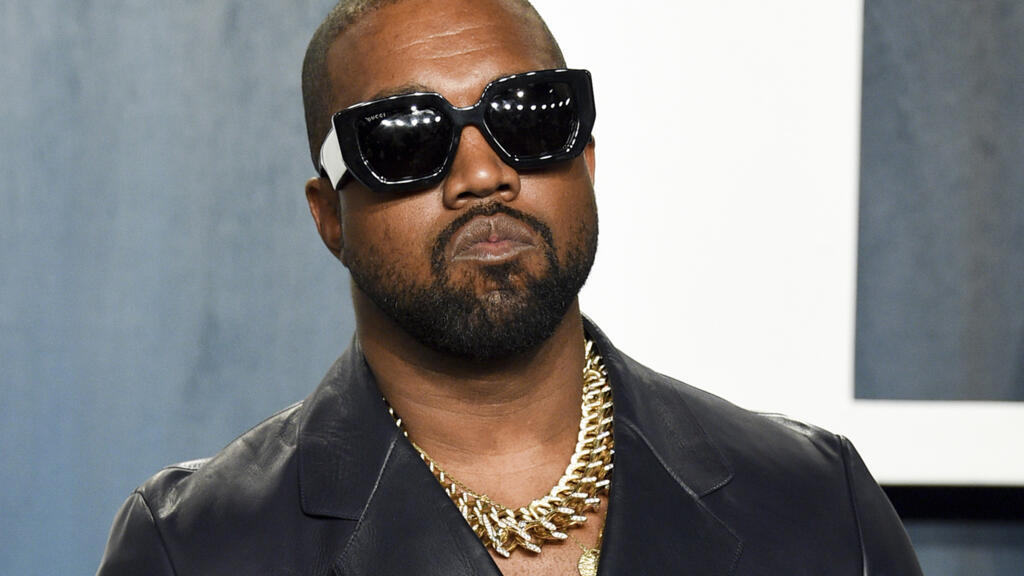
West’s latest controversies include the release of a song titled “Heil Hitler” in May 2025 and the sale of a swastika-branded T-shirt on his website—moves that drew strong condemnation and led major streaming platforms to ban the track. The rapper later expressed regret for his conduct, attributing his actions to struggles with bipolar disorder.
French authorities have not yet announced a final decision on the Marseille concert, but the government’s intervention highlights the increasing tension between artistic freedom and efforts to combat hate speech in Europe.