A massive wave of Israeli airstrikes has struck Lebanon in what Israeli officials describe as the largest assault of the current conflict, leaving widespread destruction, mounting casualties, and a worsening humanitarian crisis across the country.
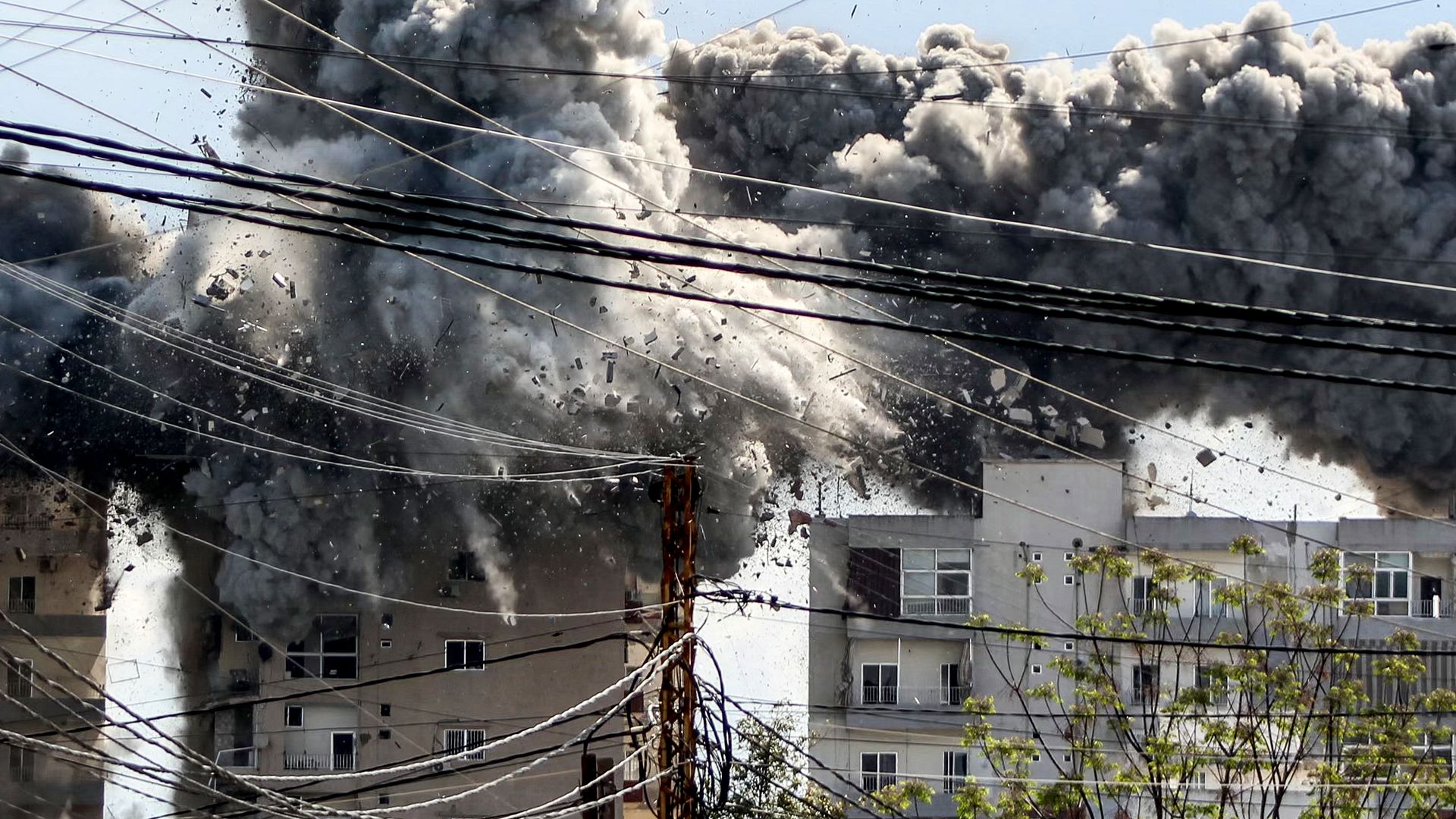
According to Israeli sources, more than 100 targets—described as Hezbollah command centres and military sites—were hit within just 10 minutes. The strikes targeted key areas including the southern suburbs of Beirut, southern Lebanon, and the eastern Bekaa Valley, regions where Hezbollah maintains strong influence.
Heavy Civilian Toll and Humanitarian Crisis
The scale of devastation has been severe. Lebanese authorities report that more than 1,500 people have been killed, including at least 130 children. Hospitals across the country are overwhelmed, struggling to cope with the influx of wounded, while rescue teams continue searching for survivors believed to be trapped beneath collapsed buildings.
The conflict has displaced over 1.2 million people—roughly one in five of Lebanon’s population. Many families have fled from southern and eastern regions, seeking refuge in overcrowded schools, makeshift shelters, public spaces, and even their cars. The sudden movement of large populations has also heightened sectarian tensions in some communities, where residents fear becoming targets of further attacks.
More Read

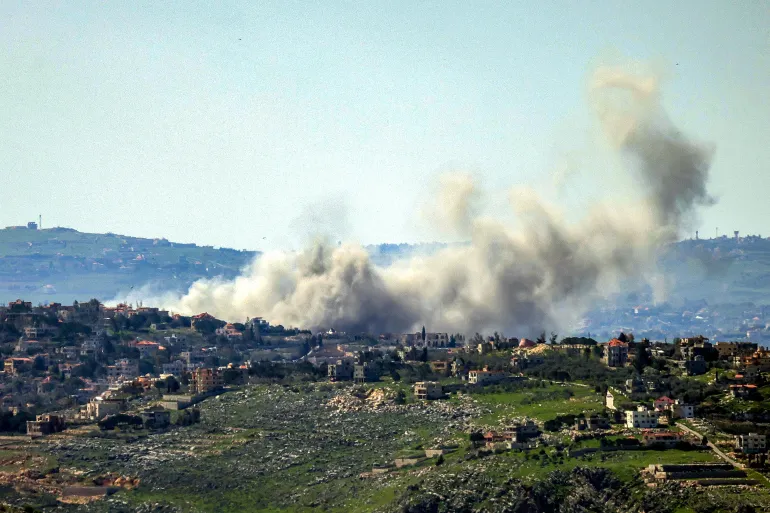
Entire villages near the Israeli border have been reduced to rubble, raising fears that many displaced residents may never be able to return home.
Israel’s Strategy and Regional Implications
Israeli officials say the strikes are part of a broader strategy to create a “security buffer zone” along the border, aimed at dismantling Hezbollah’s infrastructure and pushing its fighters further north. However, the scale of destruction has sparked concerns that parts of southern Lebanon could remain under Israeli control even after hostilities end.
The latest escalation comes amid a wider regional conflict involving Israel, the United States, and Iran. While a ceasefire agreement between the US and Iran—reportedly mediated with Pakistan’s involvement—has been announced, Israel has denied that the deal extends to its ongoing military operations in Lebanon.
More Read

Hezbollah’s Role and Response
The current phase of fighting intensified after Hezbollah launched rockets into Israel, reportedly in retaliation for the killing of Iran’s Supreme Leader, Ayatollah Ali Khamenei, and in response to continued Israeli strikes despite a prior ceasefire agreement in November 2024.
Although Hezbollah has not claimed new attacks since the recent ceasefire announcement, the group declared it is on the “threshold of a major historic victory” and warned displaced civilians against returning home prematurely.
Despite expectations that Hezbollah had been significantly weakened in previous conflicts, the group has demonstrated sustained military capability, launching rockets and drones into northern Israel and engaging Israeli forces on the ground in southern Lebanon.
Political Divisions Inside Lebanon
Within Lebanon, Hezbollah’s role in the conflict has sparked deep divisions. While the group continues to enjoy strong support among many in the Shia community, critics accuse it of dragging the country into a war driven by Iranian interests.
The Lebanese government has previously announced plans to disarm Hezbollah but has made little progress. President Joseph Aoun, a former army chief, has ruled out using force, warning that such action could ignite internal conflict.
More Read
In a notable diplomatic shift, the government recently signaled openness to direct negotiations with Israel—despite the absence of formal relations between the two countries. Israel, however, has yet to respond to the proposal.
Uncertain Path Ahead
As the conflict intensifies, concerns are growing over the possibility of prolonged occupation, further humanitarian deterioration, and wider regional instability. While some Israeli military sources suggest there are no plans to expand the ground invasion further, they also acknowledge that fully disarming Hezbollah by force may not be achievable.
For now, Lebanon remains caught in a devastating cycle of violence, with civilians bearing the brunt and no clear resolution in sight.