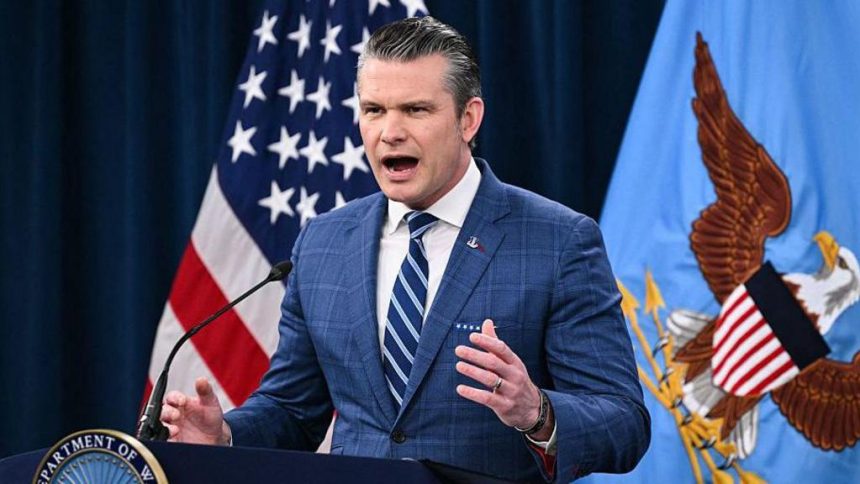
A fragile ceasefire between the United States and Iran is being framed as a potential turning point in a tense 40-day conflict, with U.S. Defense Secretary Pete Hegseth describing the truce as a “chance at real peace”—even as both sides claim victory and skepticism lingers over how long calm will last.
Speaking after the agreement was announced, Hegseth portrayed the ceasefire as the result of overwhelming U.S. military success, insisting Iran had been forced into negotiations after suffering heavy losses. He argued the pause in hostilities presents an opportunity to move toward lasting stability in the region.
The ceasefire, reached this week, includes commitments to reopen the strategically vital Strait of Hormuz and begin broader peace discussions. The waterway, through which roughly a fifth of the world’s oil supply passes, had been at the center of global concern during the conflict.

Competing Narratives of Victory
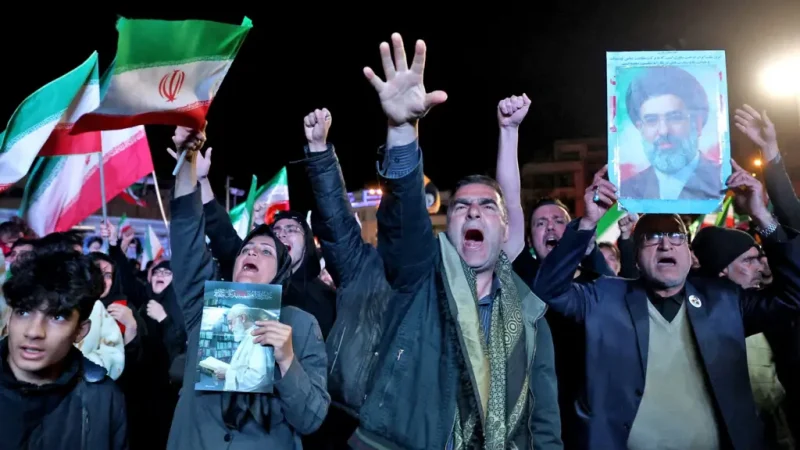
While Washington has celebrated the outcome as a decisive military triumph, Tehran has offered a sharply different narrative—claiming it compelled the U.S. to accept key terms, including discussions around sanctions relief and regional troop withdrawals.
More Read

Hegseth, however, dismissed such claims, declaring the U.S.-led operation had “decimated” Iran’s military capabilities and left it “combat-ineffective.”
The contrasting accounts underscore the uncertainty surrounding the ceasefire, with both governments eager to present the outcome as a win to domestic and international audiences.
A War Paused, Not Ended
Despite optimistic rhetoric, officials and analysts caution that the agreement is temporary and fragile. The ceasefire is reportedly limited in duration, and military forces on both sides remain on high alert.
More Read

Recent events have also cast doubt on the extent of U.S. dominance claimed by officials. Reports of continued Iranian military capability—including the downing of U.S. aircraft during the conflict—suggest Tehran retains the ability to challenge American forces.
Meanwhile, tensions persist beyond Iran’s borders. Israeli operations in parts of Lebanon have continued despite the broader truce, highlighting the complex, multi-front nature of the conflict.
Global Markets React with Cautious Optimism
Financial markets have responded positively—at least for now. Oil prices fell sharply following news of the ceasefire, and global stocks rallied amid hopes of reduced geopolitical risk.
Still, analysts warn that investor confidence hinges on whether the ceasefire evolves into a durable peace agreement or collapses into renewed hostilities.
The Road Ahead
For now, Hegseth’s message is one of guarded optimism: a belief that battlefield gains can translate into diplomatic progress. But with competing claims of victory, unresolved regional tensions, and lingering distrust between the two sides, the ceasefire may represent less a definitive end—and more a pause in a volatile and evolving conflict.
More Read

Whether it becomes the foundation for “real peace” or merely a brief intermission remains uncertain.