Namibia has dealt a major setback to global satellite internet provider Starlink, rejecting its bid to operate in the country and raising fresh questions about foreign ownership rules in Africa’s telecom sector.
The service, owned by billionaire tech entrepreneur Elon Musk, had applied for a licence through its local subsidiary, Starlink Internet Services Namibia. However, the country’s regulator, the Communications Regulatory Authority of Namibia, confirmed the application was denied.
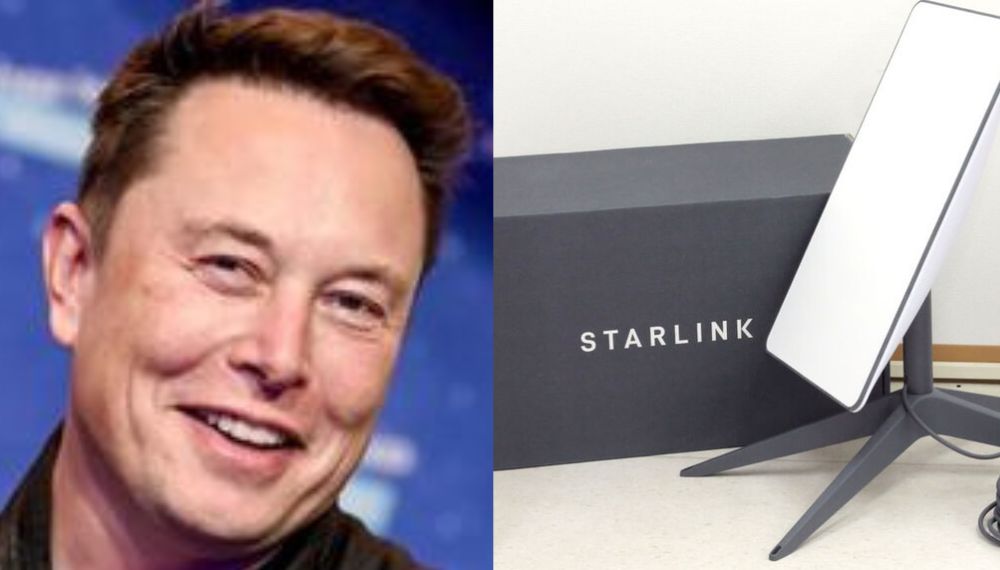
While authorities did not provide detailed reasons for the rejection, the regulator noted that the company’s local unit lacks Namibian ownership—an issue believed to be central to the decision.
Starlink, which uses a network of low Earth orbit satellites to deliver high-speed internet to remote and underserved areas, has been expanding rapidly across the globe, including parts of Africa. The company maintains that it plans to partner with local businesses to create jobs and boost economic growth.
More Read

However, Namibia’s move reflects a broader trend in the region, where governments are prioritizing local participation in key industries.
In neighbouring South Africa, Starlink has also struggled to secure approval due to strict ownership requirements. Under South African law, telecom operators must allocate at least 30 percent equity to historically disadvantaged groups—a policy rooted in efforts to address inequalities from the era of Apartheid.
Elon Musk, who was born in South Africa, has publicly criticized such policies, describing them as discriminatory. Despite this, regulators in the region have remained firm, emphasizing the importance of inclusive economic participation.
More Read

For Namibia, the decision signals a commitment to ensuring that foreign investments contribute directly to local ownership and development. But it also raises concerns about how quickly advanced technologies like satellite internet can reach underserved communities.
As demand for reliable internet continues to grow across Africa, the standoff between global tech companies and regional regulations is likely to shape the future of connectivity on the continent.
For now, Starlink’s ambitions in southern Africa remain uncertain, as governments balance innovation with economic sovereignty.