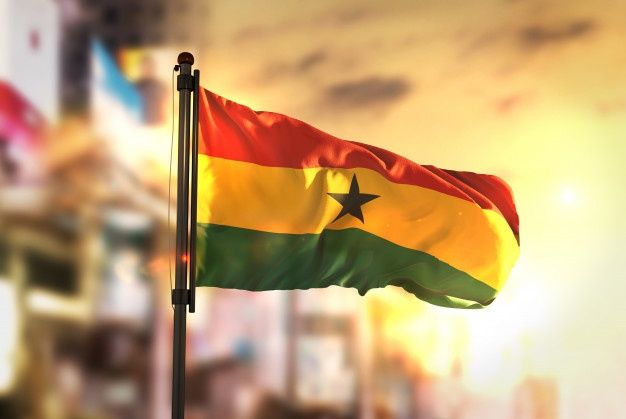
In a significant push for historical justice, Ghana is leading a global campaign at the United Nations to formally recognize the transatlantic slave trade as the gravest crime against humanity.
The proposed resolution is aimed at strengthening ongoing international conversations around reparations, accountability, and the enduring legacy of slavery, which continues to shape modern global inequalities.
Speaking ahead of the proposal, Ghana’s Permanent Representative to the UN, Samuel Yao Kumah, called on member states to support the initiative, describing it as a crucial step toward acknowledging the full scale and long-term impact of the transatlantic slave trade.
Kumah addressed concerns that the language of the resolution could be interpreted as ranking one atrocity above others. He firmly rejected that view, explaining that the intention is not to create a hierarchy of suffering but to recognize a unique historical system that fundamentally reshaped the world.
More Read

According to him, crimes such as genocide, apartheid, and colonial violence remain unequivocally condemned under international law. However, the transatlantic slave trade, he argued, stands apart due to its vast scale, duration, and lasting global consequences.
“This is not about comparison,” Kumah emphasized. “It is about recognition—acknowledging a system that altered the course of history and whose effects are still evident today.”
The resolution, Ghana says, is also intended to create a stronger moral and diplomatic foundation for discussions around reparative justice. For many African nations and descendants of enslaved people, such recognition is seen as a necessary step toward healing and equity.
More Read

Kumah further noted that supporting the resolution should not be viewed as an act of accusation against any nation, but rather as a collective commitment to truth, dignity, and shared responsibility.
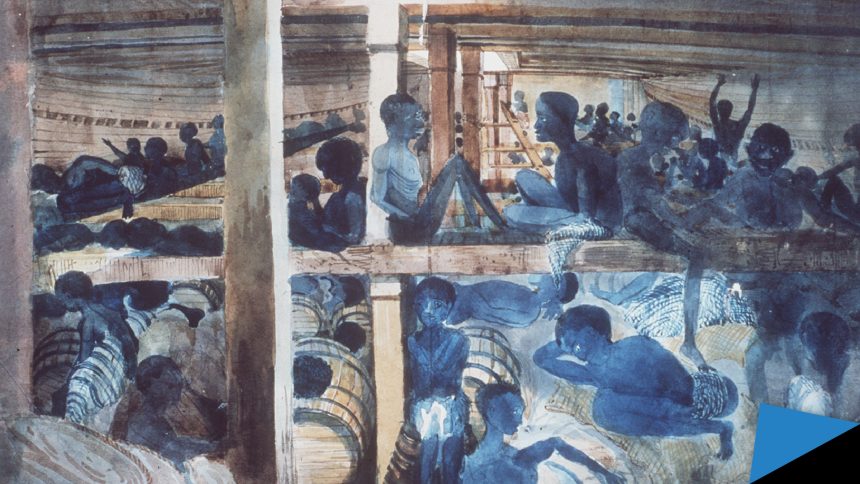
Between 1501 and 1867, more than 13 million Africans were forcibly transported across the Atlantic in what is historically known as the Transatlantic Slave Trade. Millions died during the journey, while survivors were subjected to generations of forced labor and systemic oppression.
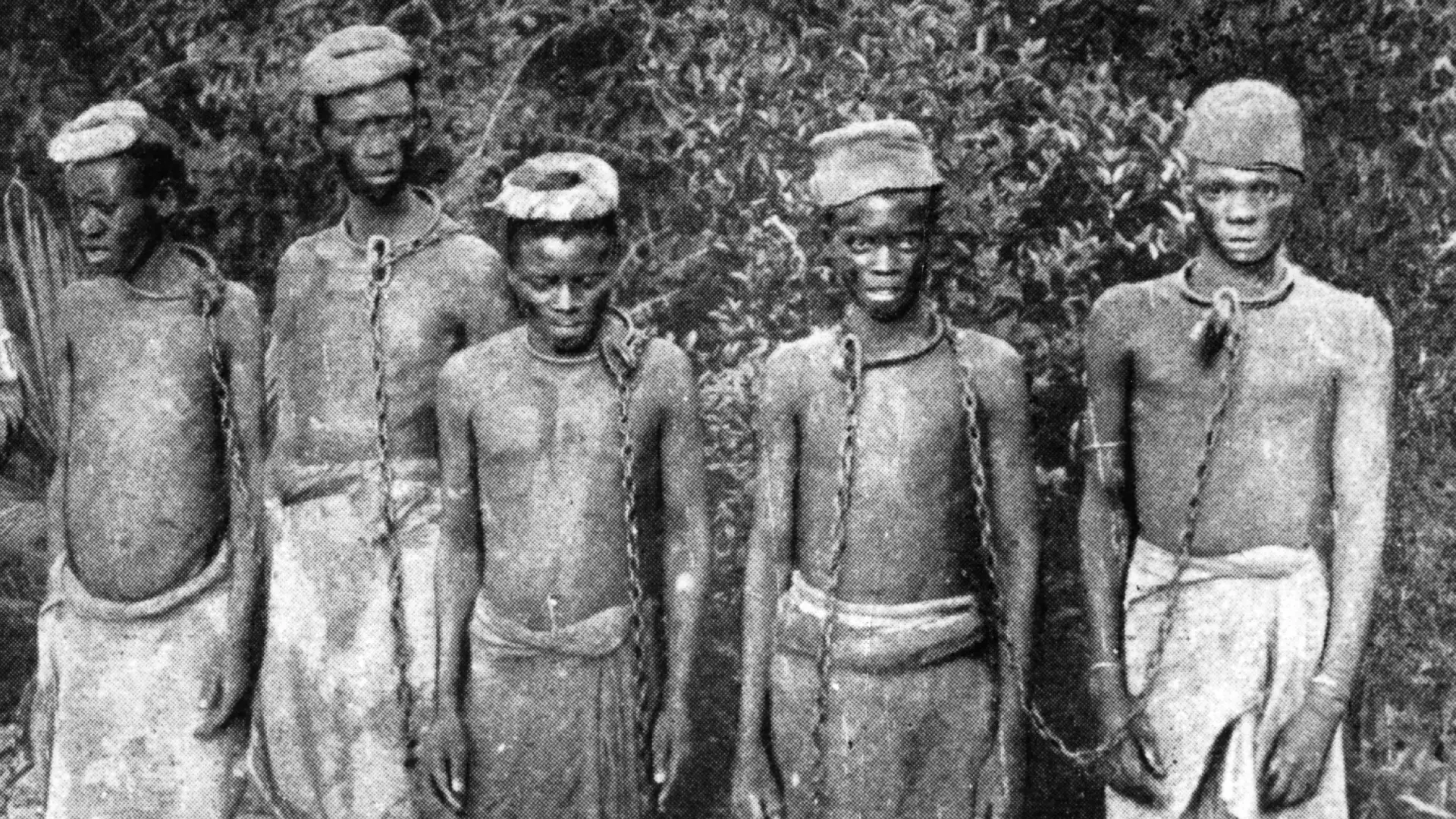
Today, the legacy of that era continues to reverberate across continents, influencing economic disparities, social structures, and racial inequalities. Ghana’s move at the UN signals a renewed urgency among nations to confront this painful past and chart a path toward justice and reconciliation.
If adopted, the resolution could mark a historic milestone in global efforts to formally acknowledge the transatlantic slave trade’s profound impact on humanity.