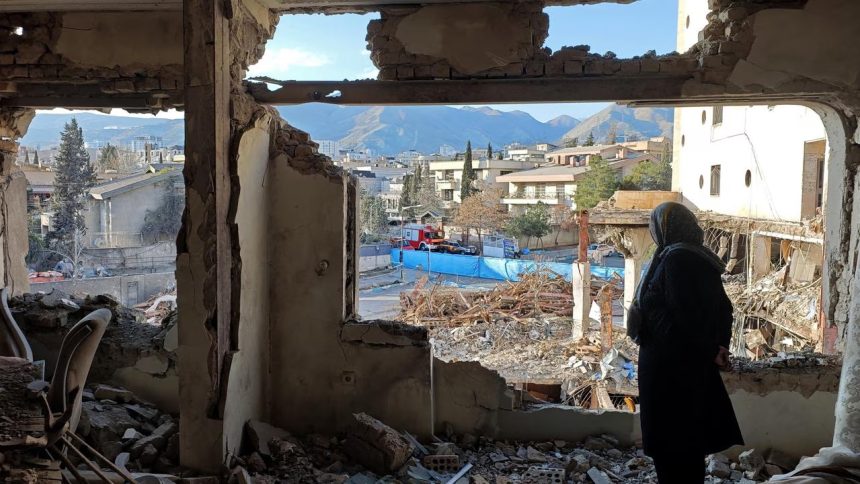
Tensions in the Middle East have taken a dangerous new turn as Iran’s president, Masoud Pezeshkian, has described recent U.S. threats to target Iranian power plants as a sign of “desperation,” amid escalating strikes and rising fears of a wider regional war.
Speaking during a national address, Pezeshkian warned that any attack on Iran’s critical infrastructure would be met with a firm and immediate response. According to him, such threats from the United States do not reflect strength but rather reveal mounting pressure and uncertainty within Washington.
The comments come after U.S. President Donald Trump reportedly issued a stern ultimatum to Tehran, threatening decisive military action if Iran does not reopen the strategic Strait of Hormuz—a vital global oil transit corridor.
The Strait of Hormuz remains one of the most critical chokepoints in the world, with nearly a fifth of global oil supply passing through it daily. Any disruption to this route has immediate global consequences, including rising fuel prices and economic instability.
More Read

In response to the U.S. warning, Iranian officials have doubled down on their position, signaling that not only would they defend their territory, but they could also target energy and infrastructure assets across the Middle East if provoked. The rhetoric marks a significant escalation, with both sides now openly referencing strategic facilities as potential military targets.
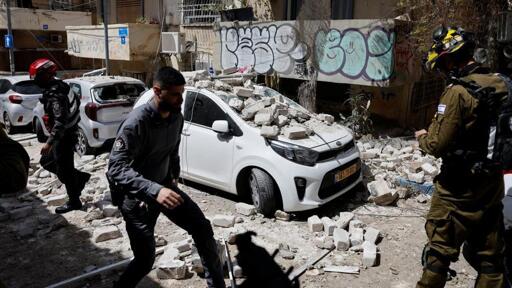
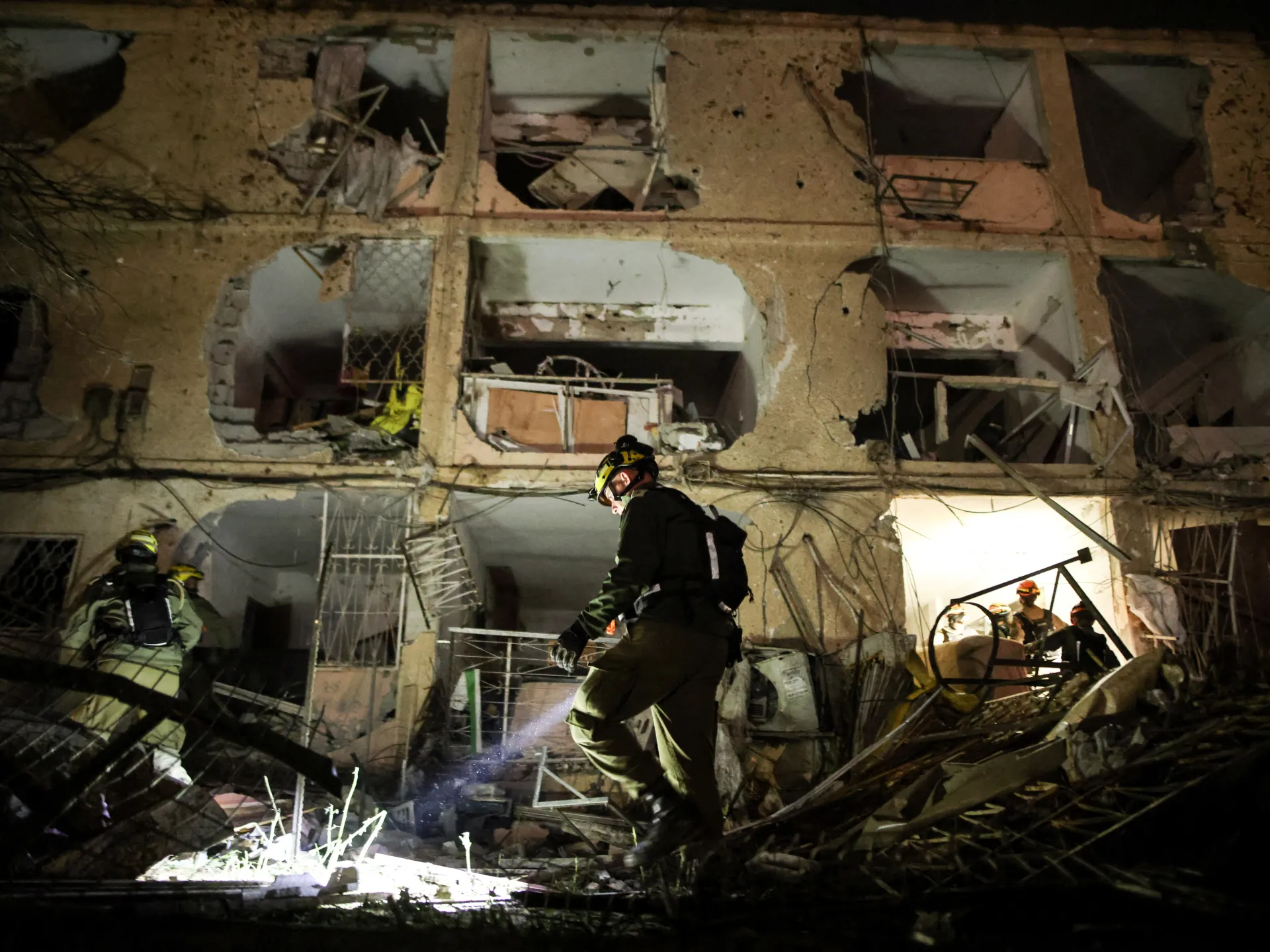
Meanwhile, the broader conflict continues to intensify, particularly involving Iran and Israel, where missile exchanges and airstrikes have persisted for weeks. The violence has reportedly resulted in thousands of casualties and widespread destruction, further heightening concerns among global leaders.
More Read

Analysts warn that the situation is fast approaching a tipping point. With threats extending beyond military installations to include energy infrastructure, the risk of a full-scale regional war—and its ripple effects on global markets—has grown significantly.
For now, the world watches closely as diplomatic options appear to narrow, and both Washington and Tehran maintain hardline positions. Whether this latest exchange of threats will lead to direct confrontation or force renewed negotiations remains uncertain.
As the crisis deepens, one thing is clear: the stakes have never been higher, not just for the Middle East, but for global peace and economic stability.