PARIS, FRANCE — France is bracing for a major nationwide mobilization as students and their supporters prepare to take to the streets on Tuesday, demanding increased government investment in education and an end to what organizers describe as excessive police repression.
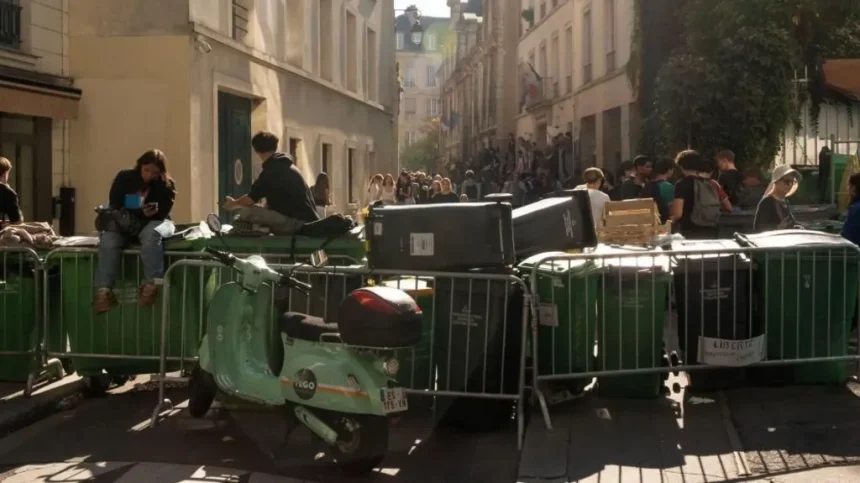
The planned demonstrations follow a week of escalating unrest across the country, during which students blockaded hundreds of schools. According to figures from France’s Justice Ministry, more than 5,000 people have been arrested since the beginning of the movement, with the vast majority reportedly being minors.
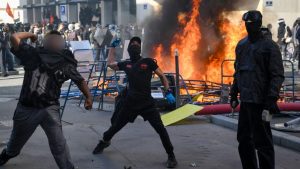
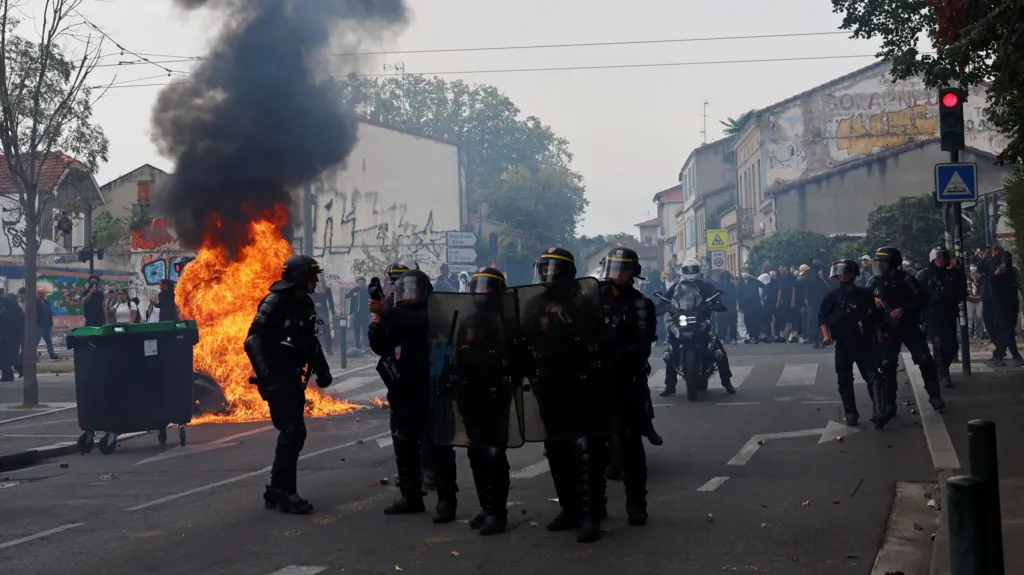
At least 190 students have also been injured, while violent confrontations between protesters and police have raised growing concerns about the handling of the demonstrations.
The latest incident occurred on Monday in the northern city of Lens, where a 15-year-old student reportedly had his hand blown off during a confrontation near a school. Officials said the teenager was taken to a nearby hospital and that his injuries were not considered life-threatening.
Another student, 14-year-old Eden, suffered serious injuries last week in Saint-Ouen-l’Aumône after reportedly being struck in the head by a tear-gas grenade.
More Read

According to his lawyer, Eden sustained a double jaw fracture and required extensive surgery.
Speaking at a news conference on Monday, Eden’s mother expressed her anguish over what happened to her son, describing the incident as violent and unacceptable.
“This should not happen. They are dealing with children who are asking for better conditions in which to study.”

Students Reject Government Measures
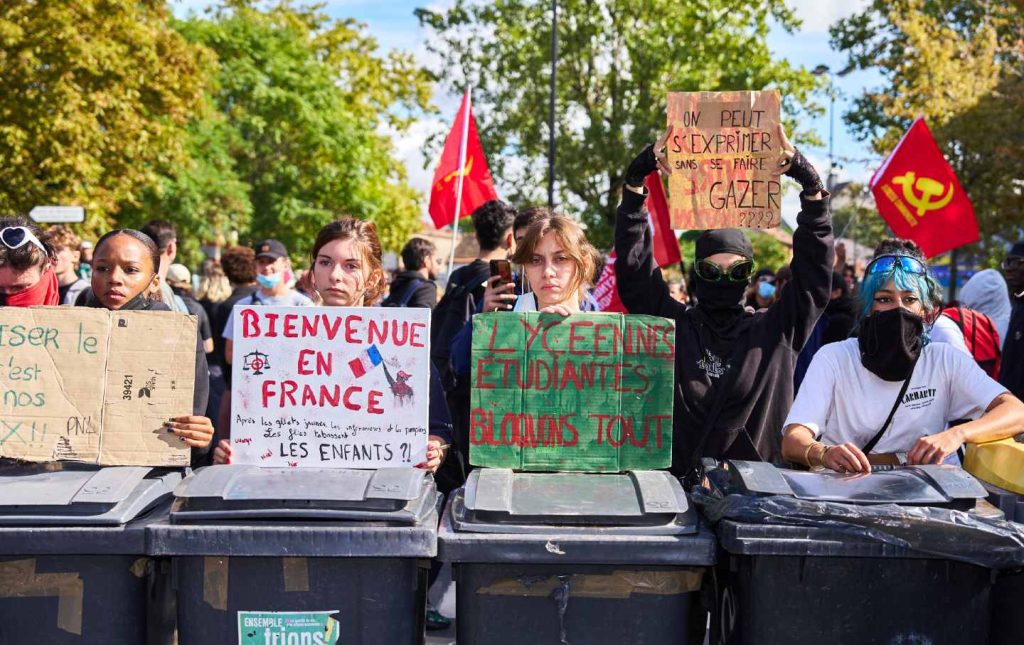
The protests began in September in Paris before spreading to other parts of France. High school students were the first to mobilize, later joined by university students and sections of the teaching community.
Their demands include action to tackle overcrowded classrooms, deteriorating school buildings, staff shortages and inadequate educational resources.
French Prime Minister Sébastien Lecornu announced a series of measures on Sunday aimed at addressing what he described as difficulties facing secondary school students and education workers.
The Prime Minister promised “visible changes” in schools but also warned that the government would not tolerate violence.
“We will make no concessions to violence,” Lecornu said, adding that the government stood behind students, education workers, police officers and gendarmes who had been injured during the unrest.
More Read

However, the Union Syndicale Lycéenne (USL), one of the main groups organizing the protests, rejected the government’s response, arguing that authorities had offered “nothing concrete.”
The organization has called on students and supporters to join Tuesday’s mobilization, describing the situation as a political deadlock and accusing authorities of unprecedented repression of the movement.
Teachers Join the Protest
Support for the students has also grown beyond the student movement.
The teachers’ union SNES-FSU has urged its members to participate in Tuesday’s demonstrations, potentially expanding the protests into a broader education-sector mobilization.
The unrest has also resulted in significant damage to public property.
French Education Minister Édouard Geffray said that 24 schools had been “burned and ransacked” since the beginning of the demonstrations. Authorities have also reported incidents involving rubbish bins being set on fire and confrontations between protesters and police.
Thousands Arrested
France’s Justice Ministry says 5,060 people have been arrested since the beginning of the movement.
According to the ministry, 87 percent of those arrested were minors, while adults accounted for the remaining 13 percent.
Fourteen people have reportedly been placed in pre-trial detention, while 1,802 people are facing prosecution, including 1,483 minors and 319 adults.
Student organizers have accused police of using excessive force during the demonstrations.
Interior Minister Laurent Nuñez, however, rejected the allegation, saying last week that the demonstrations had been policed in an “extremely proportionate manner.”
Protests Become Political
The growing unrest has increasingly become entangled in France’s political divisions.
The government and politicians on the right have accused the radical-left La France Insoumise (LFI) party of fuelling the demonstrations.
LFI leader Jean-Luc Mélenchon has described the protests as the most powerful high school and university student youth movement since 1968, when France experienced historic mass protests and strikes involving millions of workers.
Mélenchon has accused police of abuses of power and urged people to take to the streets to defend the youth demonstrations.
The government’s response has also drawn criticism from the hard-right National Rally.
Party leader Marine Le Pen rejected the characterization of the unrest as simply a student movement, describing it instead as riots allegedly organized by political activists.
She has called for a new anti-rioting law.
Meanwhile, Marseille’s left-wing mayor, Benoît Payan, condemned the violence while acknowledging that young people have legitimate concerns about their future and the state of public services.
He urged protesters to express their concerns peacefully.
France Awaits Tuesday’s Demonstrations
With nationwide mobilization planned for Tuesday, authorities are preparing for another potentially tense day across France.
What began as a campaign by students demanding better educational conditions has now developed into a wider confrontation involving students, teachers, police, political parties and the French government.
As thousands prepare to return to the streets, Tuesday’s demonstrations are expected to provide a crucial indication of whether the government can de-escalate the crisis — or whether France is heading towards an even broader wave of unrest.