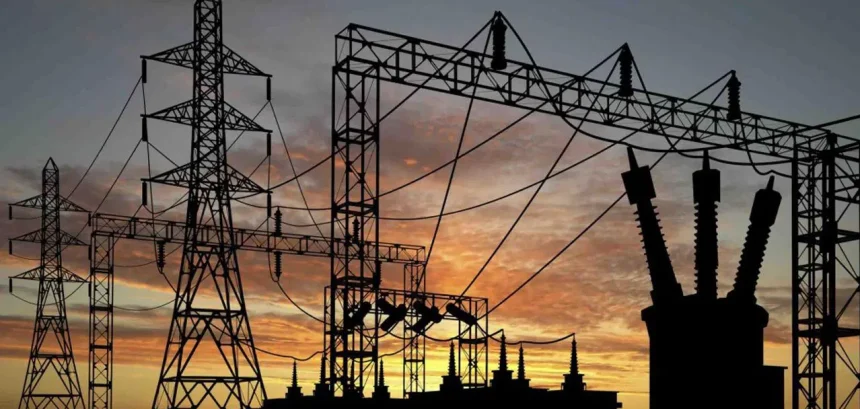
The Federal Government has begun discussions with electricity distribution companies on plans to establish dedicated Energy Zones designed to provide stable, 24-hour electricity supply to homes, businesses and industries in some of Nigeria’s major demand centres.
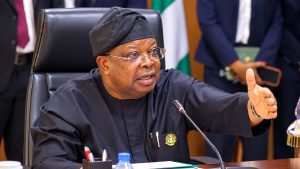
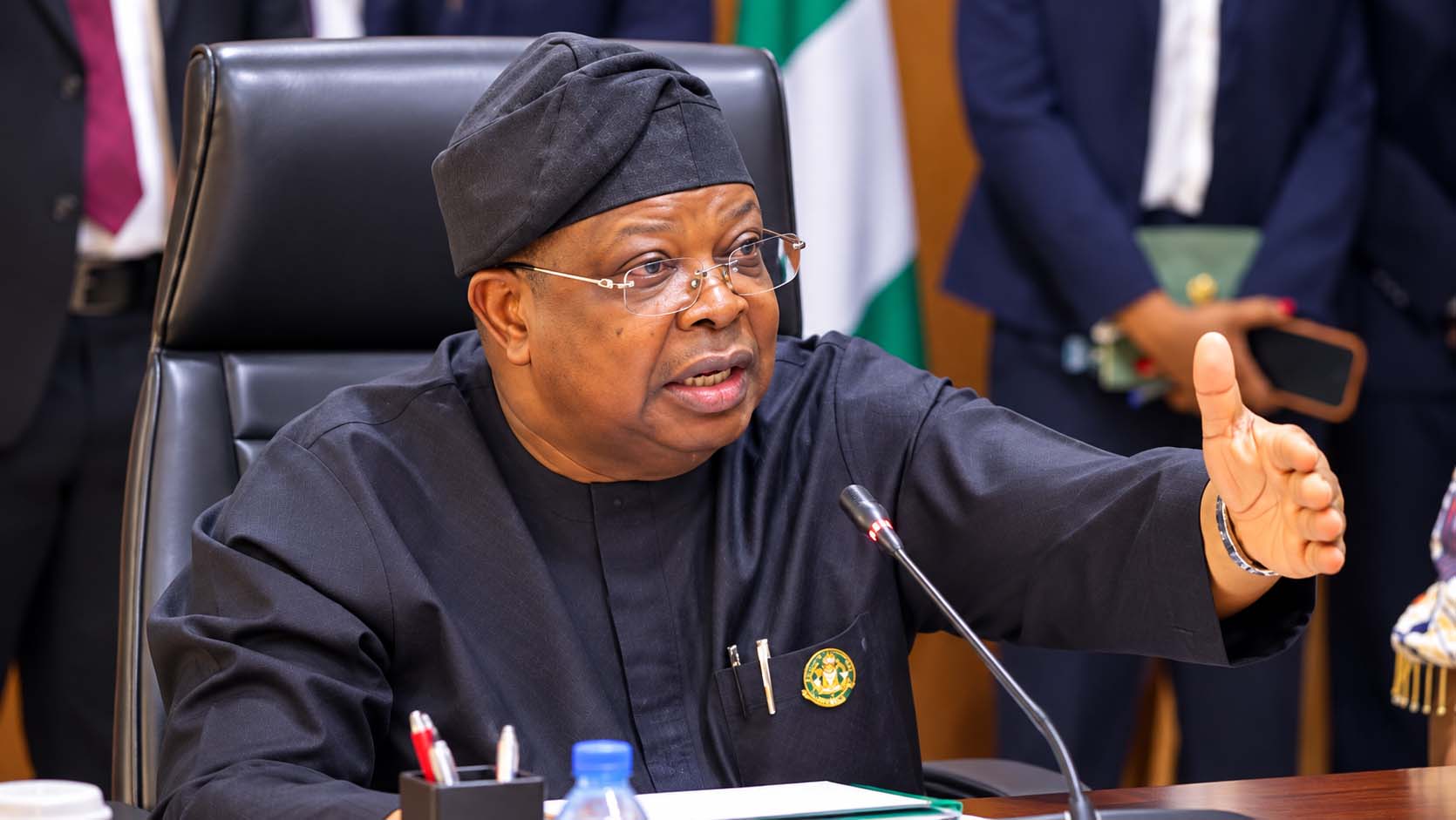
The initiative was discussed during a strategic closed-door meeting between the Minister of Power, Joseph Olasunkanmi Tegbe, and the leadership of selected electricity distribution companies.
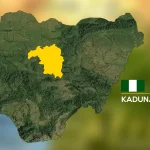
According to the Ministry of Power, the proposed Energy Zones will initially focus on three major economic corridors: the Lagos axis, Abuja-Kaduna-Kano corridor and Enugu-Port Harcourt corridor.
The Federal Government said the initiative is aimed at addressing constraints at the distribution end of the electricity value chain and ensuring that power generated and transmitted through the national grid reaches consumers more reliably.
Speaking on the proposal, Tegbe said the challenges confronting Nigeria’s electricity sector extend beyond generation and transmission to the ability of distribution companies to receive available electricity and deliver it effectively to consumers.
More Read

“The constraint on the sector is not limited to generation and transmission but includes how much power is taken up and delivered at the distribution end.”
The minister said the proposed Energy Zones are expected to help close the distribution gap, unlock additional commercial and industrial demand and strengthen the revenue and collection performance of electricity distribution companies.
The government also indicated that electricity infrastructure would be expanded in high-demand locations, with the aim of ensuring that available supply capacity keeps pace with the needs of Nigeria’s growing economy.
More Read
Focus on Businesses and Industries
The proposed zones are expected to prioritize areas where reliable electricity is considered particularly important to manufacturing, commerce and other productive activities.
For businesses operating in these locations, more reliable electricity could reduce dependence on alternative sources of power and improve the ability of commercial and industrial operators to plan their activities around more predictable electricity supply.
The initiative also reflects the government’s stated focus on addressing challenges across the entire electricity value chain rather than concentrating exclusively on generation.
No Implementation Timeline Yet
Despite the announcement, the Federal Government has not yet disclosed a specific implementation date for the proposed Energy Zones.
Details concerning the electricity capacity to be dedicated to the zones, specific infrastructure projects, investment requirements and the exact locations within the identified corridors have also not been announced.
More Read
The current engagement therefore represents an early stage of discussions between the government and electricity distribution companies rather than the commencement of 24-hour electricity supply in the identified areas.
The organizations represented at the meeting included Abuja Electricity Distribution Company (AEDC), Ikeja Electric, Eko Power, Ibadan Electricity Distribution Company (IBEDC) and Sahara Energy Group.
The Federal Ministry of Power said the engagement forms part of Tegbe’s phased approach to addressing longstanding challenges within Nigeria’s electricity sector.
Tegbe assumed office as Minister of Power in June 2026 after President Bola Ahmed Tinubu swore him into office. The Federal Ministry of Power identifies the reliable provision of electricity as part of its core mandate under Nigeria’s electricity-sector framework.
If implemented, the proposed Energy Zones would represent an attempt to concentrate electricity infrastructure and distribution capacity around some of the country’s most significant centres of economic activity.
For now, attention is expected to focus on the outcome of further discussions between the Federal Government, distribution companies and other electricity-sector stakeholders as the proposed framework is developed.