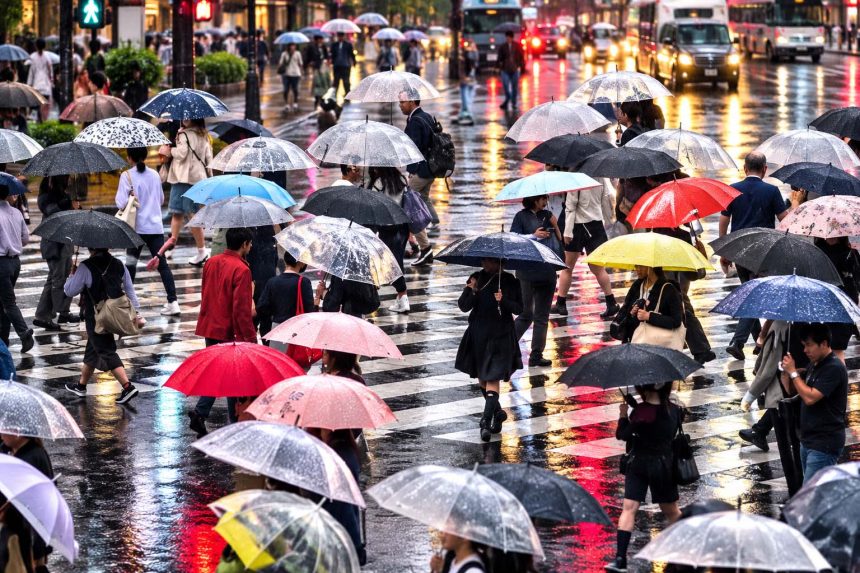
TOKYO, Japan — Residents of Tokyo are enduring an unprecedented stretch of wet weather, with the Japanese capital recording 35 consecutive days of rain, the longest such streak since weather records began in 1886.
The relentless rainfall has disrupted daily life, damaged crops, pushed up vegetable prices and cast a cloud over tourism, while millions of residents have been left longing for a return of clear skies.
According to Japan’s Meteorological Agency, central Tokyo received 629 millimetres (24.8 inches) of rain from the beginning of September through Monday, almost three times the normal amount for the period.
The prolonged spell has also resulted in exceptionally low sunshine. The Mainichi Shimbun reported that Tokyo recorded only 45.8 hours of daylight during the period — the second-lowest figure on record — with 14 days registering no sunshine at all.
More Read

‘Rain fatigue’ spreads across Tokyo
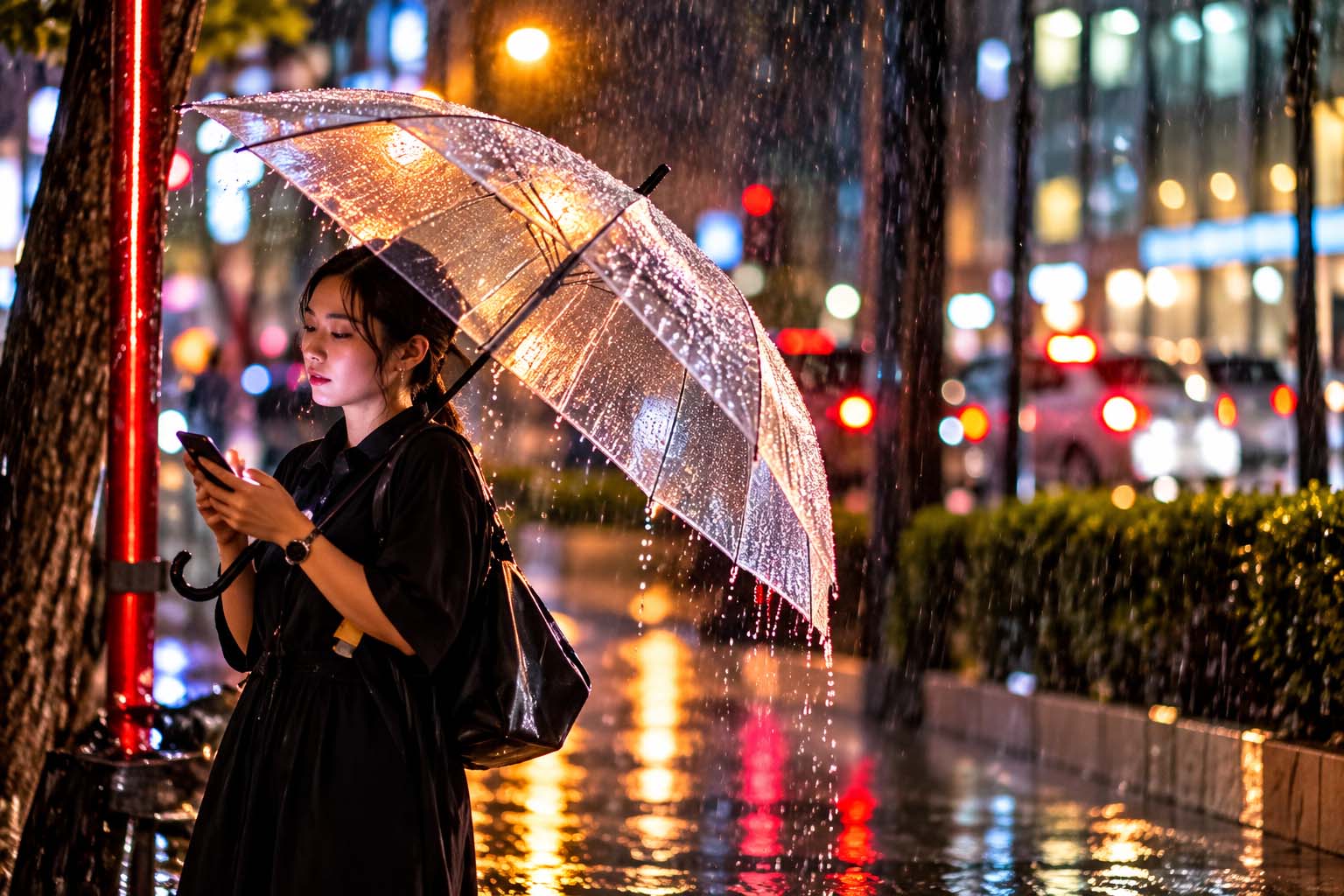
The unusual weather has begun affecting residents beyond inconvenience.
Doctors say prolonged exposure to rain, high humidity and low atmospheric pressure can contribute to symptoms including headaches and dizziness.
Hiromichi Ito, a doctor and clinic director in Tokyo, told the Sankei Shimbun that the extended period of gloomy weather could also affect people’s physical and mental wellbeing.
More Read

Residents have taken to social media to express frustration over the seemingly endless rainfall.
One X user wrote that the persistent rain must be responsible for their low mood, while another joked that Tokyo could soon rival the 40 days and 40 nights of rain described in the Old Testament.
Radwimps lead singer Yojiro Noda, who has about 1.1 million followers, summed up the mood with a brief post:
“Tokyo, a lifetime of rain.”
Vegetable prices surge
The weather is also having an economic impact.
Heavy rainfall has damaged crops in agricultural areas surrounding Tokyo, contributing to sharp increases in the price of vegetables, particularly leafy greens.
More Read

One supermarket worker quoted by Japanese media said the price of a head of lettuce had more than doubled to around ¥450 (£2.17).
The rain has also created practical problems for households. With clothes difficult to dry outdoors, some residents have been forced to make repeated trips to laundrettes.
Typhoons add to the concern
Tokyo’s unusually wet conditions come after a summer marked by repeated heavy rainfall and flooding.
Earlier this month, Typhoon Dujuan caused flooding and landslides in neighbouring Chiba prefecture, killing eight people and destroying dozens of homes.
Meteorological officials have also warned that another typhoon — the 26th of the season — was moving northeast and could affect the Kanto region, which includes Tokyo.
Although the latest rain had eased to drizzle by Wednesday morning, further rainfall remained possible.
Masayuki Kyoda of the Japan Meteorological Agency told Agence France-Presse that autumn rain fronts were remaining over the region longer than usual.
Climate change and El Niño under scrutiny
Experts have pointed to a combination of atmospheric conditions, including this year’s El Niño, as contributing factors behind the unusual weather pattern.
However, Kyoda cautioned that it was difficult to establish a direct connection between climate change and Tokyo’s record-breaking rainfall streak.
The JMA has nevertheless said in a recent report that global warming is affecting Japan’s weather over the long term, including through increased precipitation.
Tokyo’s previous longest consecutive period of rain lasted 33 days, from June 27 to July 29, 2019.
With the capital now having surpassed that record and residents facing continued uncertainty over when the skies will clear, Tokyo’s extraordinary wet spell has become more than a weather story — it is increasingly affecting everyday life, food prices, businesses and public mood.