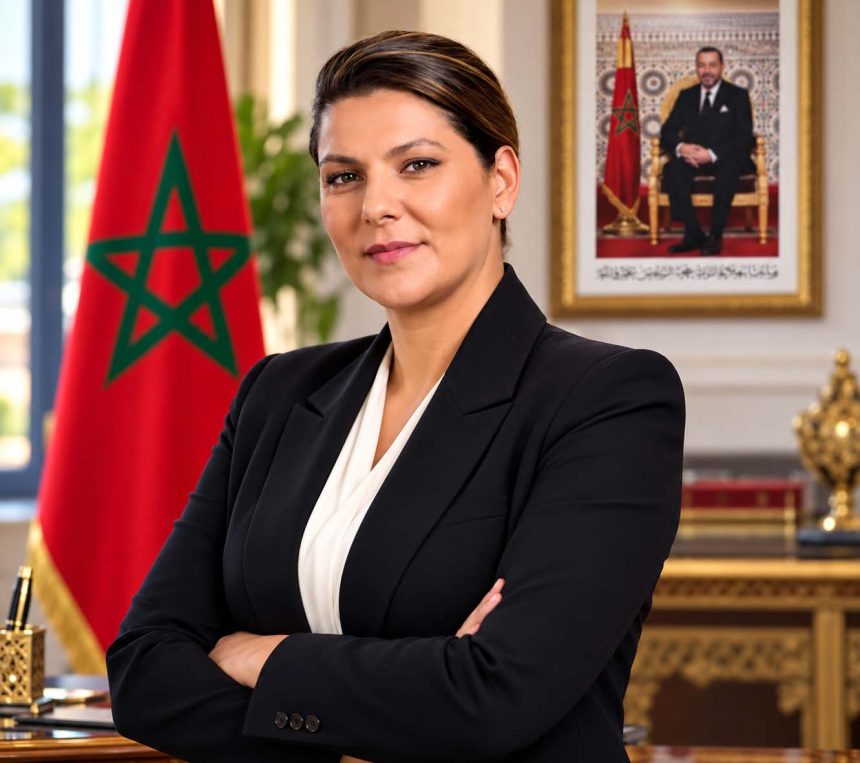
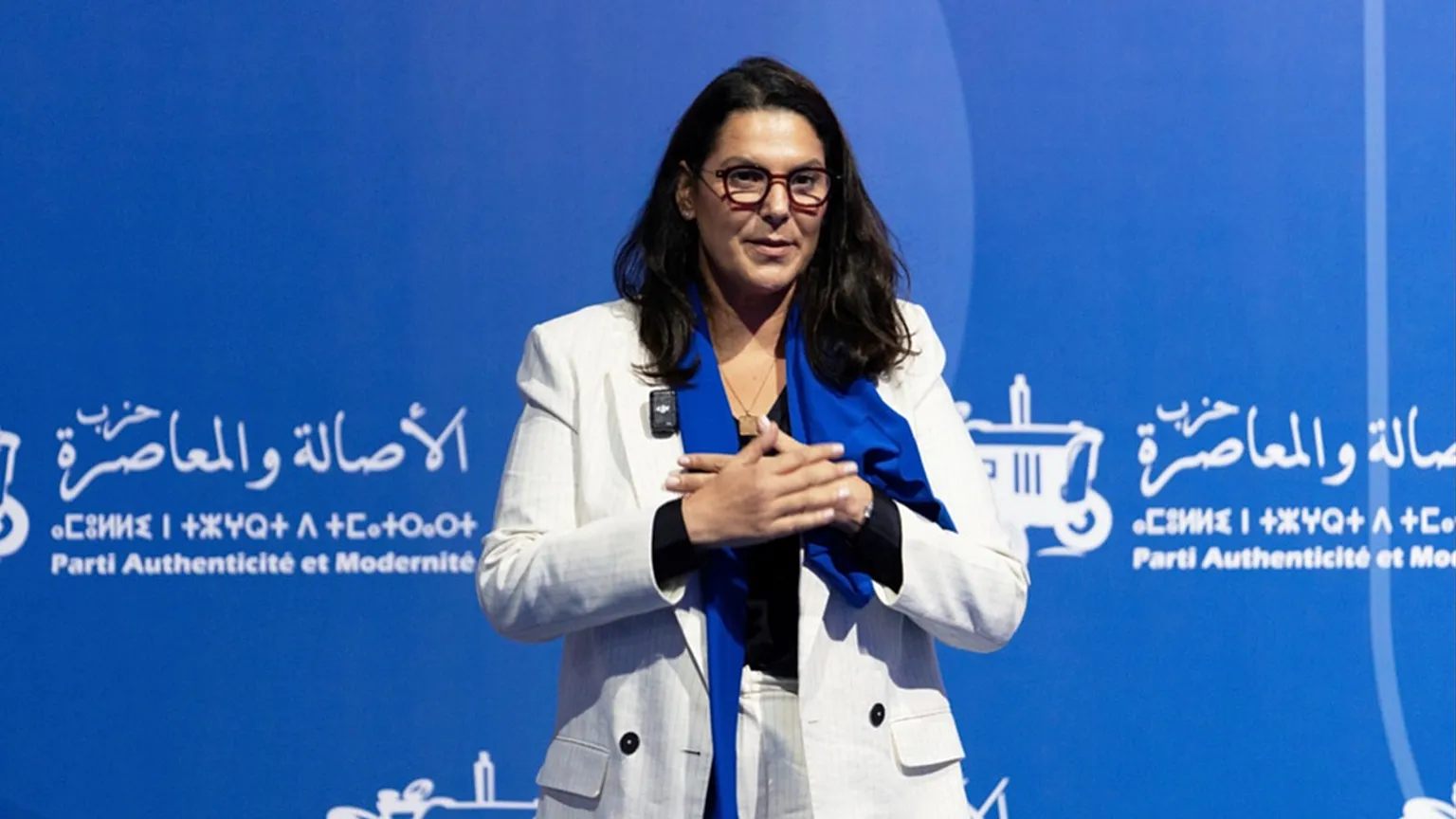
RABAT, Morocco — Morocco has entered a new chapter in its political history after King Mohammed VI appointed Fatima Ezzahra El Mansouri as the country’s first-ever female prime minister.
The 50-year-old lawyer and senior member of the Authenticity and Modernity Party (PAM) was appointed on Tuesday, September 29, and tasked with forming a new government following last week’s parliamentary elections.
El Mansouri’s appointment came after PAM emerged as the largest party in the September 23 election, winning 97 of the 395 seats in Morocco’s House of Representatives. However, the party fell well short of the 198 seats required for a parliamentary majority, meaning the new prime minister will have to negotiate with other parties to build a governing coalition.

A Historic First for Moroccan Women
El Mansouri becomes the first woman to head Morocco’s government and only the second woman in the Arab world to serve as prime minister, after Tunisia’s Najla Bouden.
More Read
Speaking after her appointment, El Mansouri described the moment as “truly historic,” marking a significant milestone for women’s participation in Morocco’s political institutions.
Her political career has already included several high-profile positions. She has served as mayor of Marrakesh and as Morocco’s minister responsible for national planning, urban planning, housing and city policy. She has also held a senior leadership role within PAM.
Youth Frustration Becomes Major Challenge
El Mansouri takes office at a time when Morocco is facing considerable social and economic pressures, particularly among younger citizens.
More Read

Issues including unemployment, rising living costs, access to healthcare and education, and social inequality have contributed to growing frustration among young Moroccans.
Youth-led demonstrations last year highlighted concerns over public services and economic opportunities, while a mass attempt by migrants to reach Spain’s North African enclave of Ceuta in July also underscored wider social and economic pressures.
During the election campaign, El Mansouri placed young people at the centre of her political message, saying the country needed to respond to their concerns with concrete measures.
The challenge will now be turning those campaign commitments into government policies while maintaining support within a coalition.
Coalition Talks Ahead
PAM’s 97 seats leave El Mansouri dependent on other parties to establish a parliamentary majority.
The National Rally of Independents (RNI) won 66 seats, while the Istiqlal Party secured 65. The Justice and Development Party (PJD), which previously led the government, made a significant comeback with 54 seats.

Coalition negotiations are therefore expected to be among El Mansouri’s first major tasks as prime minister.
The election also recorded relatively low participation, with turnout at approximately 38%, amid concerns about political disengagement and dissatisfaction among sections of the population.
A Prime Minister Operating Under a Powerful Monarchy
Despite the significance of the prime ministerial position, Morocco remains a constitutional monarchy in which King Mohammed VI retains substantial powers over strategic areas of national policy.
Under Morocco’s constitutional system, the monarch appoints the head of government from the political party that wins the largest number of seats in the House of Representatives.
El Mansouri will therefore lead the government while operating within a political system where the monarchy continues to play a central role.
2030 World Cup Adds to Her Responsibilities
One of the biggest assignments facing the new government will be Morocco’s preparations for the 2030 FIFA World Cup, which the country will co-host with Spain and Portugal.
The government will oversee major infrastructure, investment and public-service projects linked to the tournament, while simultaneously dealing with domestic economic and social challenges.
El Mansouri will also inherit responsibility for continuing Morocco’s policies on the disputed Western Sahara, an issue that remains central to the kingdom’s national and foreign policy.
A New Era for Morocco’s Government
El Mansouri’s appointment combines a historic breakthrough for women in Moroccan politics with a demanding political and economic agenda.
She must now form a coalition government, address concerns over employment and living costs, respond to youth dissatisfaction and oversee preparations for one of the world’s biggest sporting events.
For Morocco, the appointment represents a landmark moment. For El Mansouri, the historic achievement comes with the immediate challenge of turning political promises into tangible results for millions of Moroccans.
Fatima Ezzahra El Mansouri has made history. Her next challenge is making her government work.