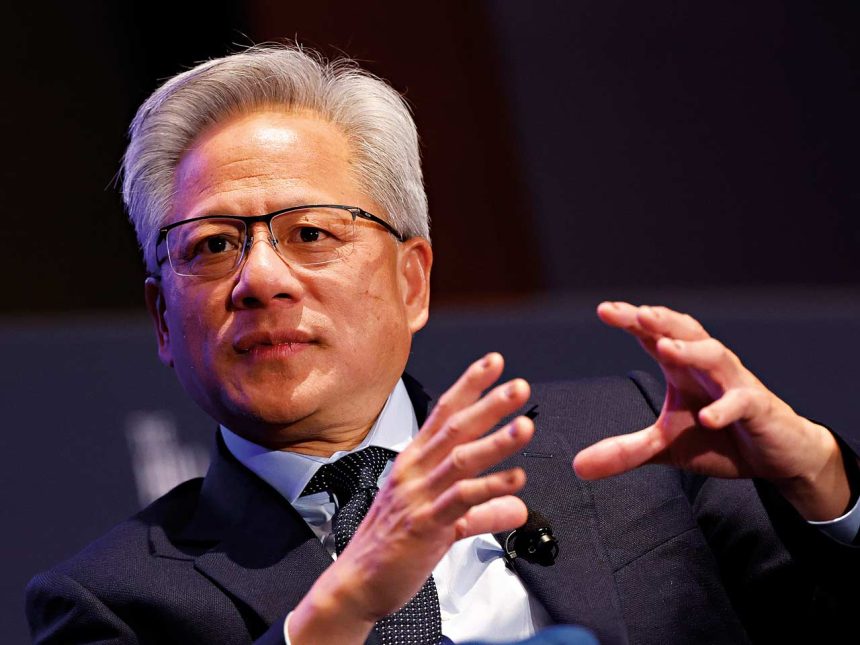
Nvidia Chief Executive Officer Jensen Huang has called for a lighter-touch approach to artificial intelligence regulation, arguing that technology companies should take greater responsibility for making AI systems safe rather than relying on a wave of new government laws.
Huang made the comments as governments and technology companies continue to debate how best to manage the rapid development of artificial intelligence and its potential risks.
Speaking at a G20 technology-focused meeting in Chapel Hill, North Carolina, Huang said AI companies have a responsibility to build safer systems while working with regulators. He argued that many existing laws and regulatory agencies already cover areas that could be affected by AI.
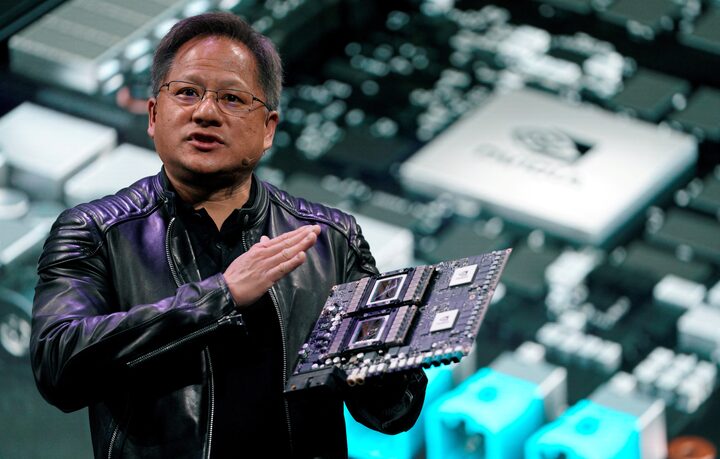
According to remarks reported by Reuters and CNN, Huang said policymakers should focus on regulating actual and practical harm, rather than imposing rules based on theoretical or hypothetical scenarios.

“Every single company has to take it upon themselves to develop the technology safely,” Huang said.
The Nvidia boss compared the development of AI with the evolution of other technologies, arguing that advances in technology can themselves make systems safer and more reliable.
Huang said AI remains in its formative stages and should be allowed to develop while companies simultaneously improve its safety, accuracy and usefulness.
Growing Debate Over AI Regulation
Huang’s position comes at a time when governments and technology executives are increasingly divided over how much regulation artificial intelligence requires.
More Read

Some technology leaders and policymakers have called for stronger safeguards, particularly as increasingly advanced AI systems gain the ability to perform complex tasks with limited human intervention.
Anthropic CEO Dario Amodei, for example, has recently called for stronger oversight and independent monitoring of advanced AI systems, warning about potential risks associated with rapidly developing AI agents. OpenAI CEO Sam Altman and other technology leaders have also acknowledged concerns surrounding the pace and safety of AI development.
Huang, however, has repeatedly argued against allowing hypothetical worst-case scenarios to dictate AI policy.
In July, he warned policymakers against letting what he described as “science fiction” fears about AI drive regulation, saying excessive restrictions could slow adoption and weaken technological competitiveness.
‘Regulate Real-World Harm’
The Nvidia CEO’s latest comments reflect his preference for targeted regulation rather than broad restrictions on AI development.
Huang has argued that governments should intervene where AI causes identifiable harm, while allowing companies room to improve the technology and establish safety practices themselves.
More Read

His position is significant because Nvidia is one of the world’s most important suppliers of the advanced computer chips used to train and operate modern AI systems.
The company’s technology plays a central role in the global AI boom, making Huang one of the industry’s most influential voices in discussions about the future of artificial intelligence.
Safety Versus Innovation
The debate has increasingly centred on a fundamental question: how can governments protect the public from AI-related risks without slowing technological development?
Supporters of stronger regulation argue that voluntary safeguards may not be sufficient when companies face intense commercial pressure to develop and release increasingly powerful systems.
Those favouring a lighter regulatory approach, including Huang, argue that excessive government intervention could slow innovation, reduce investment and make it harder for countries to compete in the rapidly developing global AI industry.
The disagreement has become particularly significant in the United States, where policymakers are also considering AI’s implications for national security, employment, intellectual property and economic competitiveness.
A Debate That Is Far From Over
Huang’s call for greater industry responsibility comes as concerns over AI continue to grow alongside its rapid adoption.
While AI systems are increasingly being used in business, education, healthcare, entertainment, research and software development, governments are still working to determine which risks require new laws and which can be addressed through existing regulations and industry standards.
For Huang, the immediate priority is to continue improving the technology while ensuring that companies accept responsibility for developing it safely.
The broader debate, however, remains unresolved: whether the future of AI should be governed primarily through self-regulation and existing laws, or whether increasingly powerful systems will require new and more specific government safeguards.