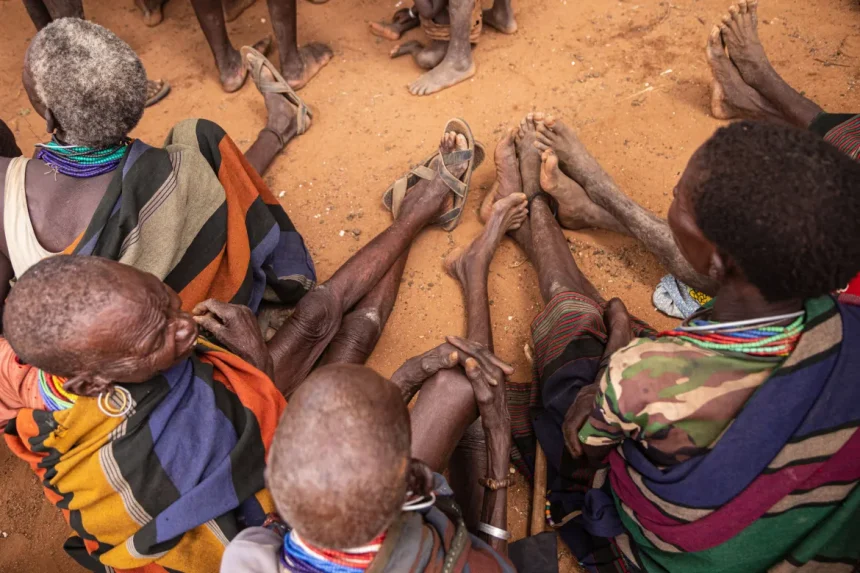
KARAMOJA, Uganda — Child malnutrition is worsening in Uganda’s northeastern Karamoja region, with Save the Children warning that the number of acutely malnourished children could rise by 25 percent by 2026 if the situation continues to deteriorate.
The international humanitarian organization said prolonged dry spells linked to the El Niño weather phenomenon are putting increasing pressure on food supplies and threatening the health and wellbeing of children across the region.
New figures indicate that the number of children suffering from acute malnutrition has risen sharply from about 122,100 recorded during an assessment in June to an estimated 154,200.
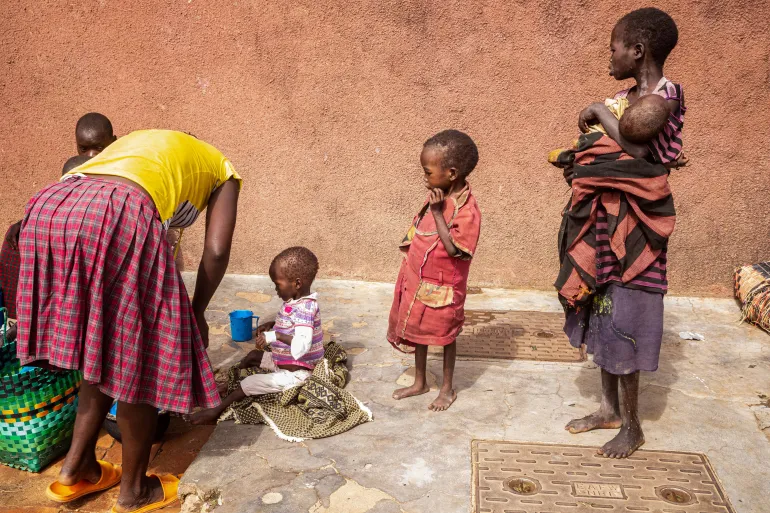
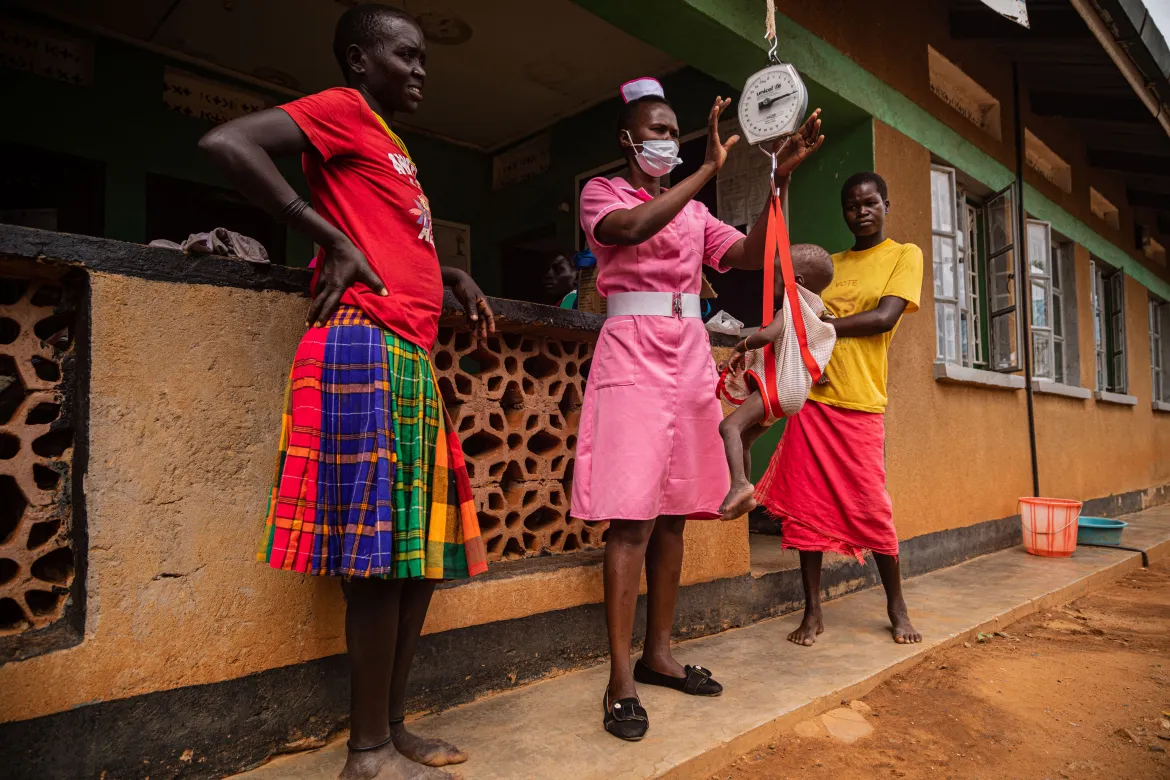
Of particular concern are approximately 38,000 children who are either already suffering from, or are expected to develop, the most severe form of malnutrition. Such cases require urgent medical intervention because severe acute malnutrition can rapidly become life-threatening.
More Read

Save the Children said the worsening situation is being driven by increasing food insecurity, with families struggling to access sufficient nutritious food amid difficult climatic conditions.
Karamoja, which is home to an estimated 1.6 million people, has experienced a significant deterioration in food security over recent months. Many communities depend heavily on agriculture and livestock for their livelihoods, leaving them particularly vulnerable to prolonged periods of inadequate rainfall.
More Read

The situation has been compounded by the effects of the El Niño weather pattern, which has brought erratic and insufficient rainfall to parts of Uganda and other drought-prone areas of East Africa.
Sparse rainfall has contributed to localised crop failures and increased plant stress, reducing food availability for already vulnerable households.
Children are among those bearing the greatest burden of the crisis. Poor nutrition can weaken their immune systems, increase their vulnerability to disease and, in severe cases, threaten their survival. Long-term malnutrition can also affect physical growth and cognitive development.
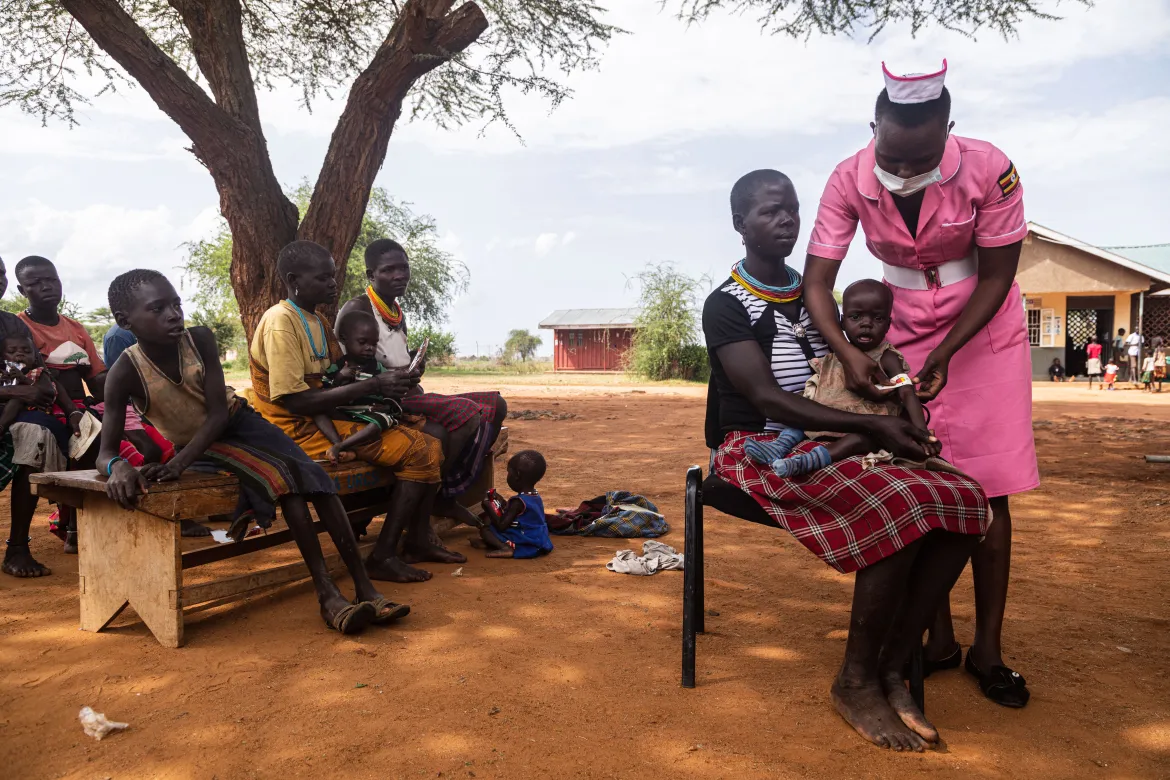
Humanitarian organisations have therefore called for urgent action to prevent the situation from worsening, including increased access to therapeutic nutrition programmes, healthcare, clean water and food assistance.
The latest warning highlights the growing impact of climate-related shocks on vulnerable communities across East Africa, where drought, erratic rainfall and food insecurity continue to threaten millions of people.
More Read

With the number of malnourished children already climbing significantly, aid agencies say immediate intervention will be critical to prevent more children in Karamoja from falling into severe malnutrition.