Study reveals jihadists, separatists and Russian-backed forces are turning generative AI into a weapon of influence
DAKAR, Senegal — Generative artificial intelligence is increasingly becoming a weapon in the information war surrounding Mali’s prolonged security crisis, with rival factions using the technology to create propaganda, influence public opinion and deepen existing divisions, a new study has revealed.
An analysis released by the Timbuktu Institute, a Dakar-based think tank, describes Mali as an emerging “open-air laboratory” for the use of generative AI in warfare.
According to the institute, the technology is being deployed to “amplify and accelerate” existing fault lines within the West African country, rather than simply creating entirely new narratives.
Mali has been battling a severe security crisis since 2012, with jihadist insurgencies, criminal networks and armed separatist movements contributing to years of instability.
More Read

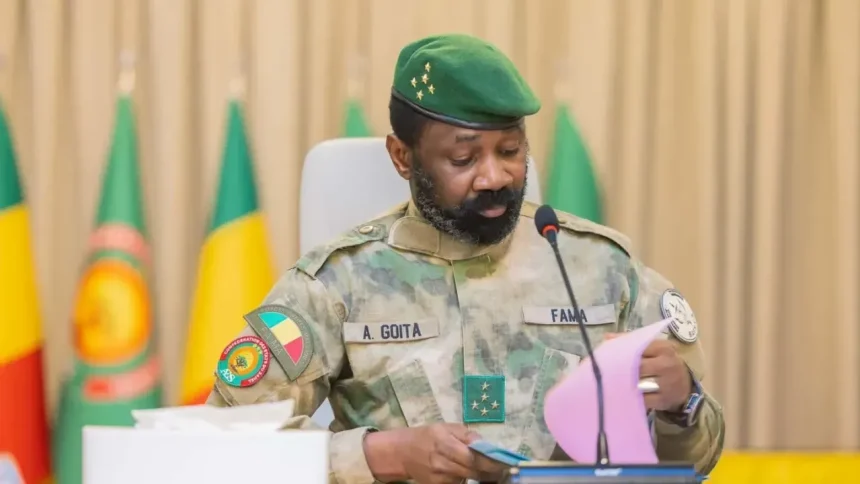
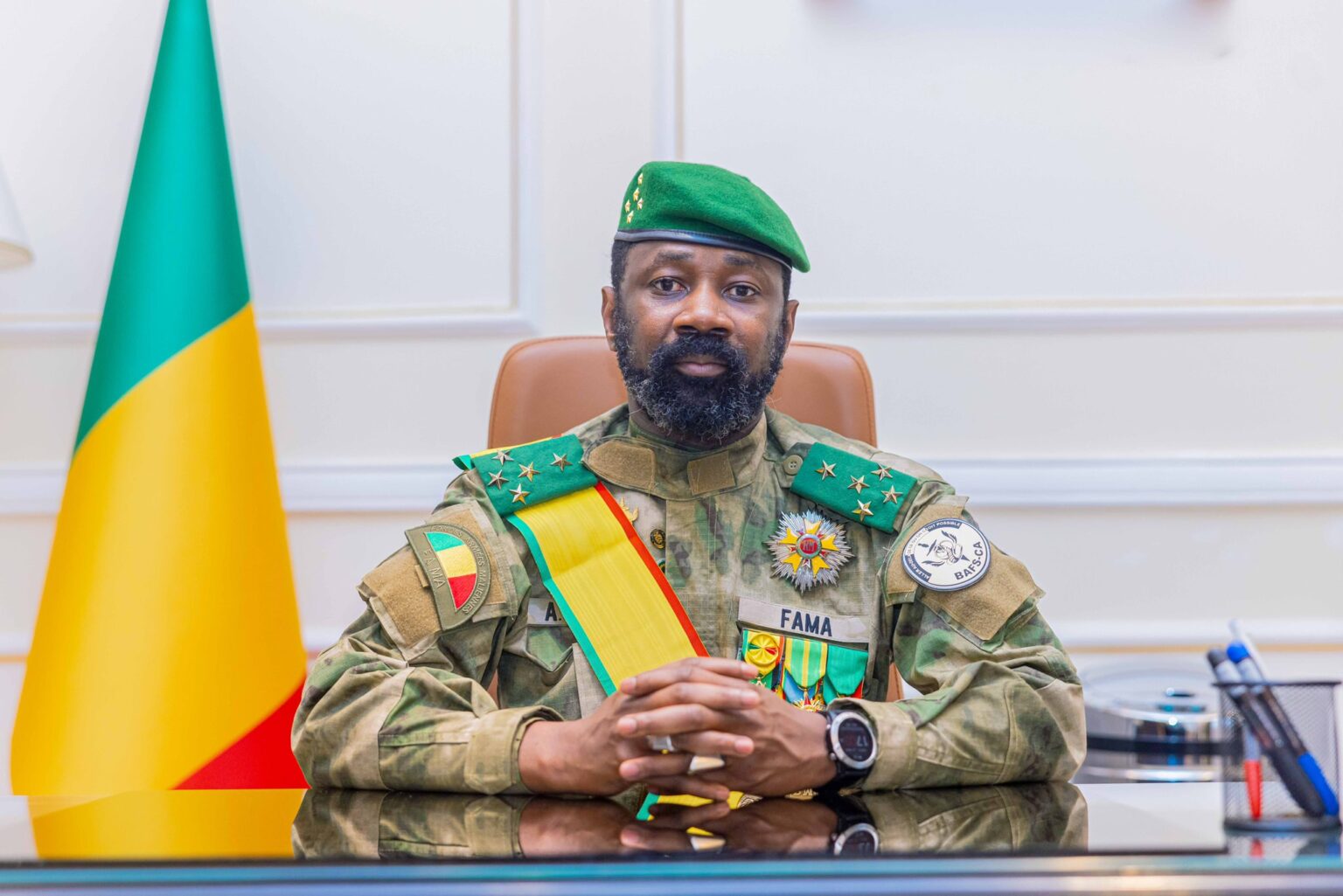
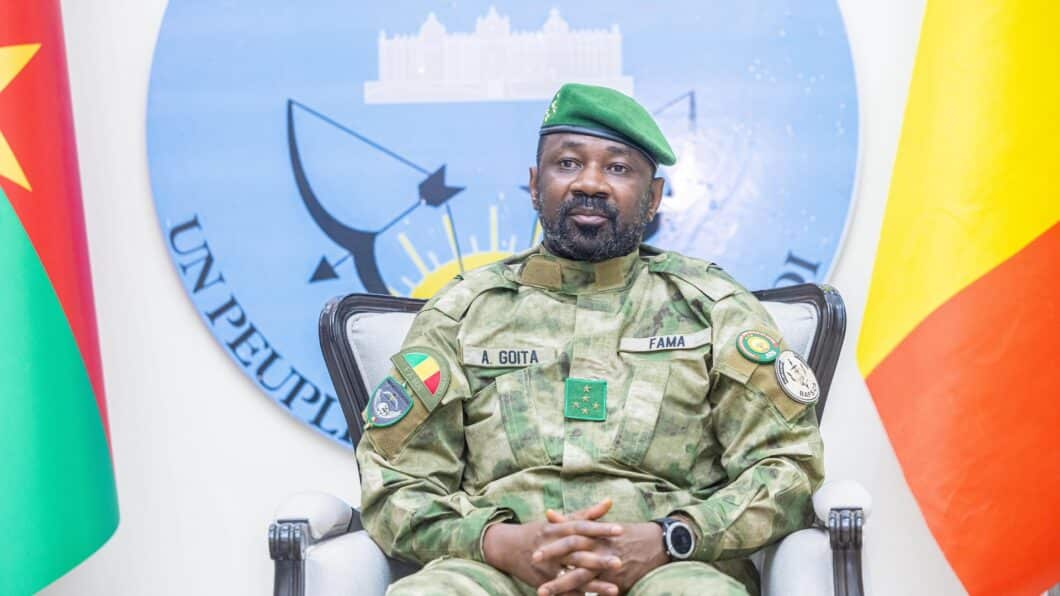
The conflict has become increasingly complex following the military takeover of government and Bamako’s subsequent deterioration of relations with several Western countries.
The junta has instead strengthened its relationship with Moscow and turned to Russia’s Africa Corps paramilitary forces for assistance in its fight against insurgent groups.
AI enters Mali’s battlefield
The Timbuktu Institute’s analysis indicates that generative AI is not being used equally by all the actors involved in Mali’s conflict.
More Read

Instead, its adoption varies according to each group’s resources, technical expertise and strategic objectives.
The Group for the Support of Islam and Muslims (JNIM), an Al-Qaeda-affiliated militant organisation, appears to have made relatively limited use of the technology.
However, its media arm, Az-Zallaqa, reportedly released AI-generated posters in June 2026, demonstrating that the group is beginning to experiment with the technology as part of its propaganda activities.
The development highlights a broader transformation in the way armed groups communicate with supporters and potential recruits.
Rather than relying entirely on conventional photographs, written statements and traditional videos, AI can allow propagandists to produce sophisticated visual material quickly and with fewer resources.
AI-generated people promote separatist cause
The use of generative AI appears to be more pronounced in online spaces associated with the Tuareg separatist Azawad Liberation Front (FLA).
More Read

According to the study, several TikTok accounts have featured AI-generated characters presented as real people.
These fictional personalities reportedly deliver messages favorable to the separatist movement.
The technique gives propaganda a more personal and human appearance, potentially making political messages more appealing to social-media audiences.
But there is another advantage for those behind the accounts: an artificial personality can make it significantly harder to determine who is actually producing the content.
The Timbuktu Institute said these AI-generated characters effectively “humanize” the separatist cause while providing an additional layer of anonymity for the operators.
Russia and Africa Corps lead sophisticated AI operations
The most sophisticated use of generative AI identified in the study, however, is linked to Russia and the Africa Corps.
The report points to previous findings by Meta and OpenAI, which in 2024 identified a Russian influence operation that used AI models to produce commentary, articles and images in English and French, targeting audiences across sub-Saharan Africa.
The Timbuktu Institute says Africa Corps has access to the financial resources and technical expertise required to take AI-enabled information warfare to another level.
Rather than simply generating individual images or posts, such operations can combine AI-generated content, fabricated social-media accounts and coordinated dissemination strategies.
That combination can make propaganda appear to originate from multiple independent voices, potentially giving a false impression of widespread public support.
A new challenge for African societies
The growing use of AI in Mali’s conflict raises concerns that the technology could fundamentally change information warfare across Africa.
Generative AI allows actors to create convincing photographs, videos, voices, written articles and fictional identities at unprecedented speed.
For populations already dealing with political instability, armed conflict and competing narratives, distinguishing legitimate information from coordinated manipulation could become increasingly difficult.
As generative AI becomes cheaper and more accessible, analysts warn that the ability to manipulate public perception may no longer be limited to governments or highly sophisticated organisations.
For Mali, the battle is now being fought on two fronts — on the ground and inside the digital information space.