Washington, D.C. — US President Donald Trump has escalated his long-running dispute with Federal Reserve Chair Jerome Powell, warning he could remove him from office if he refuses to step aside at the end of his term in May.
In an interview with Fox Business, Trump said he had previously resisted taking such action but would consider it if Powell remains in position beyond his tenure. “Then I’ll have to fire him,” Trump said, adding, “I’ve held back firing him. I’ve wanted to fire him, but I hate to be controversial.”
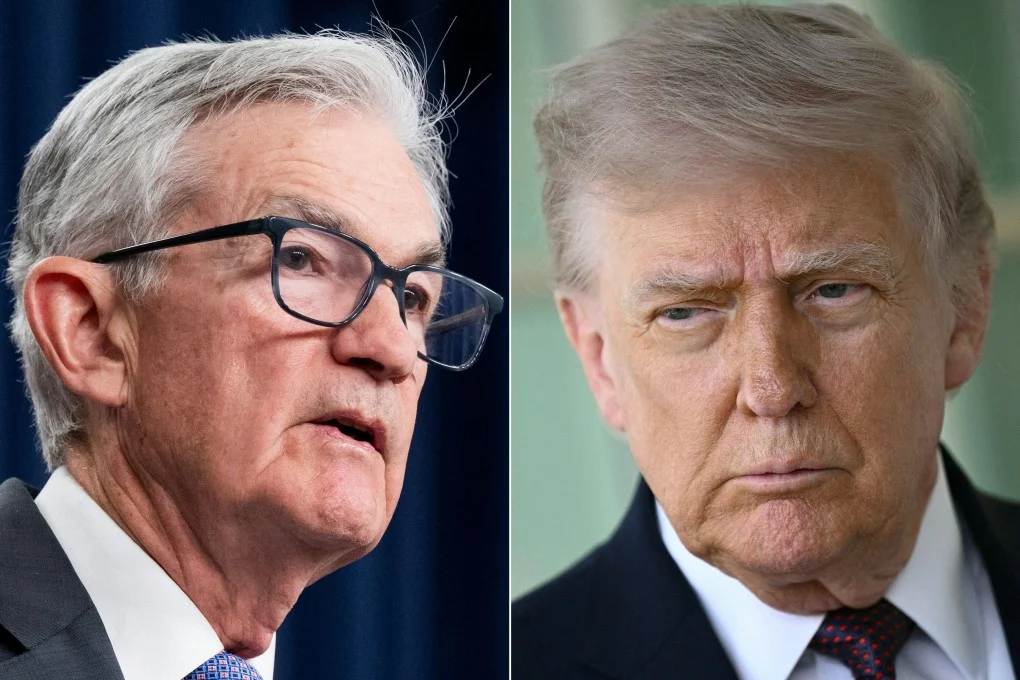
The remarks mark a sharp intensification in tensions between the White House and the Federal Reserve, centering on Powell’s reluctance to cut interest rates despite repeated calls from Trump for more aggressive monetary easing.
Powell’s term as chair is set to expire on 15 May. However, he has indicated he intends to remain in the role temporarily until a successor is confirmed by the Senate, citing established precedent. “That’s what the law calls for. That’s what we’ve done on several occasions,” Powell said.
More Read

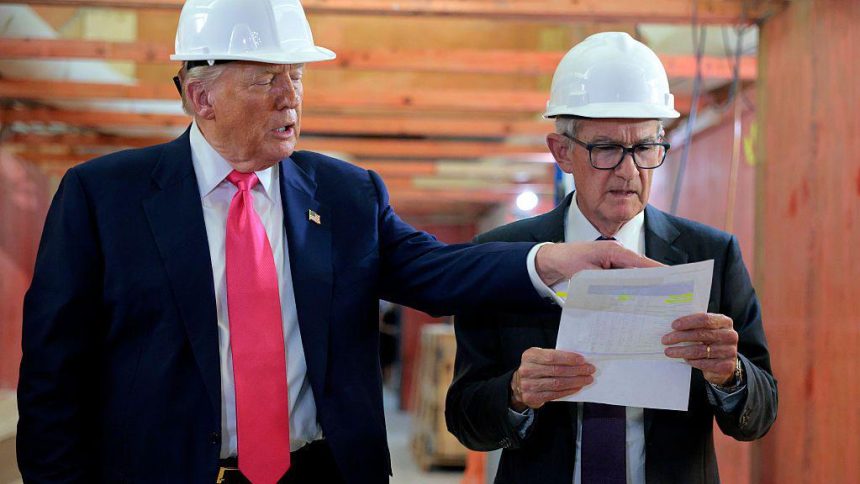
The confirmation process for a potential successor, former Federal Reserve governor Kevin Warsh, has become entangled in political disputes. Senator Thom Tillis, a key Republican member of the committee overseeing the nomination, has threatened to block Warsh’s confirmation unless a reported criminal investigation into Powell—linked to renovations of the Federal Reserve building—is dropped.
The standoff has raised concerns in financial markets. Stocks and the US dollar have previously shown signs of weakness amid reports that Trump had considered removing Powell, reflecting investor unease over potential political interference in the central bank.
If carried out, the dismissal of a Federal Reserve chair would mark a historic break from longstanding norms designed to protect the institution’s independence. Analysts warn such a move could undermine confidence in US monetary policy and trigger broader economic uncertainty.
More Read
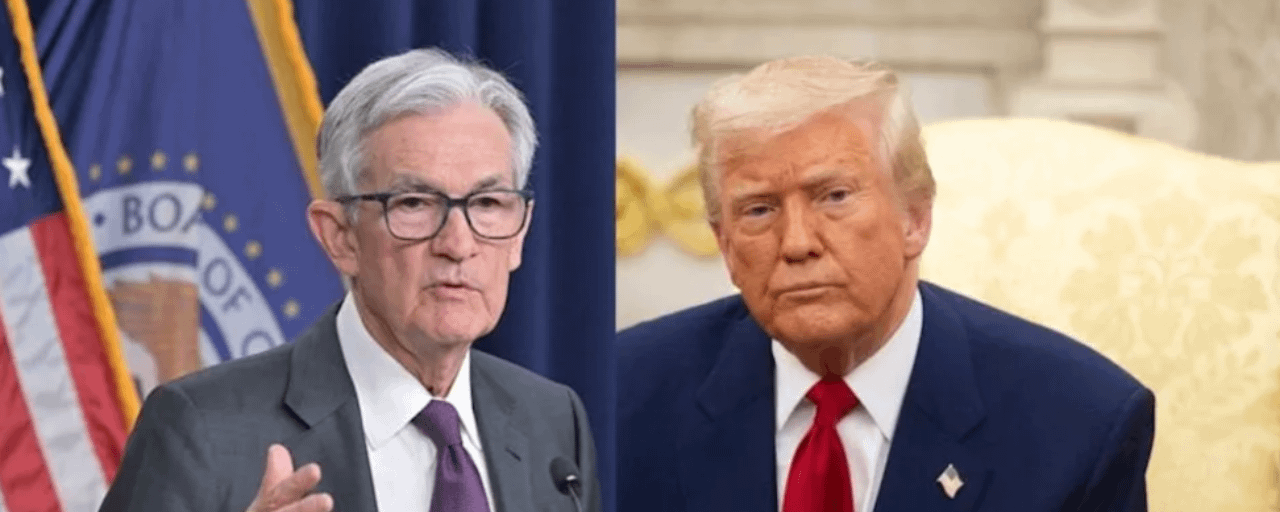
Trump originally appointed Powell as Fed chair in 2017, praising his “steady leadership, sound judgement, and policy expertise.” Powell was later reappointed by President Joe Biden in 2021.
The latest developments underscore the growing friction between political leadership and the central bank, as debates over interest rates and economic strategy continue to intensify.