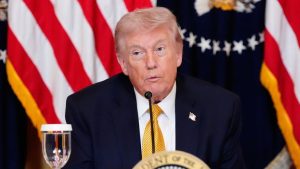
Global tensions escalated this week after vessels linked to US sanctions successfully passed through the strategic Strait of Hormuz, even as China sharply criticized President Donald Trump’s proposed blockade policy, calling it “dangerous” and a threat to international stability.
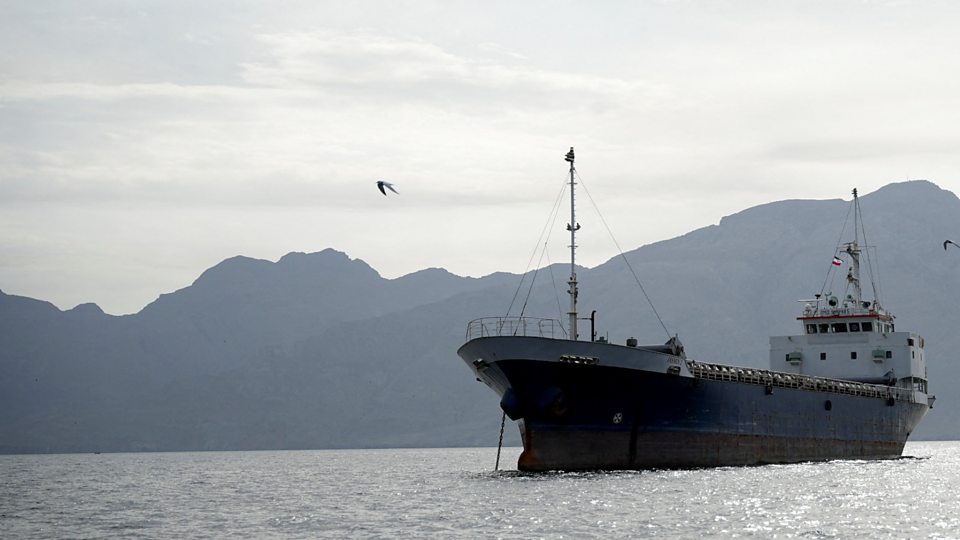
The Strait of Hormuz—one of the world’s most critical (oil) chokepoints—has once again become a focal point of geopolitical friction. According to maritime tracking reports, several ships operating under US sanction frameworks navigated the narrow waterway without incident, signaling Washington’s continued resolve to enforce its economic restrictions in the region.
However, the development has drawn swift condemnation from Beijing. Chinese officials warned that any attempt to impose or revive a blockade strategy in the Gulf could have far-reaching consequences for global trade and energy security. “Such actions are not only provocative but also dangerous,” a Chinese foreign ministry spokesperson stated, emphasizing the need for diplomatic solutions over coercive measures.
The remarks come amid renewed debate over Trump-era policies, particularly his hardline stance on Iran and threats to cut off its oil exports by restricting access through the Strait of Hormuz. While no formal blockade is currently in place, the rhetoric surrounding it has reignited concerns among major global economies heavily dependent on Gulf oil shipments.

Analysts note that even the suggestion of restricting passage through the strait—through which roughly a fifth of the world’s oil supply flows—can send shockwaves through international markets. “Any disruption, real or perceived, in Hormuz has immediate implications for oil prices and global supply chains,” said a regional security expert.
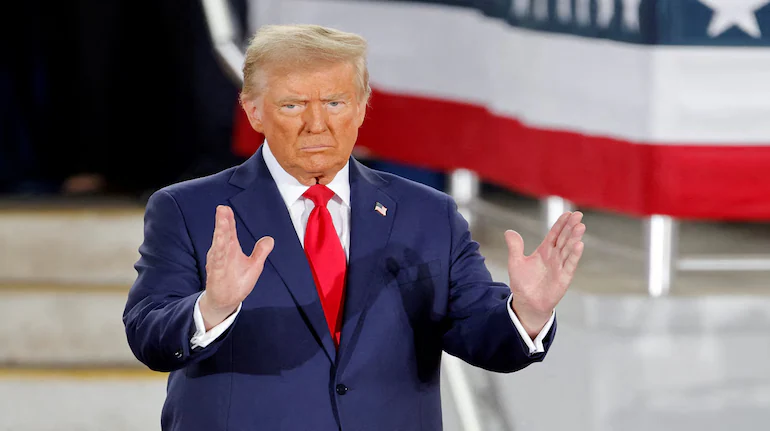
Meanwhile, US officials have defended their actions, arguing that sanction enforcement is a legitimate tool of foreign policy aimed at curbing destabilizing activities. They maintain that freedom of navigation remains a priority and that their presence in the region is intended to ensure safe passage for lawful maritime traffic.
More Read

As tensions simmer, regional observers are urging restraint. With multiple global powers now openly exchanging warnings, the Strait of Hormuz risks becoming not just a transit route for oil—but a flashpoint for a broader geopolitical confrontation.