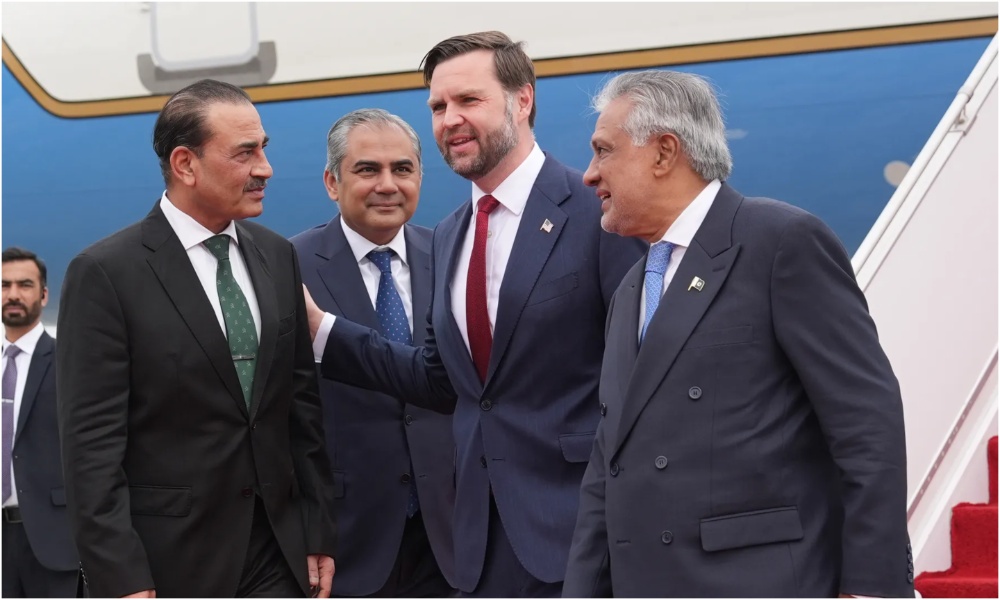
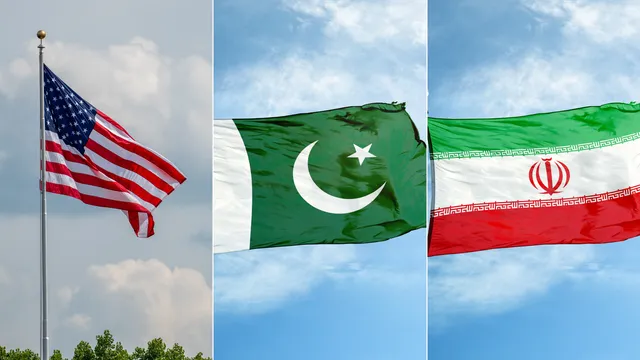
Islamabad, Pakistan — Marathon negotiations between the United States and Iran ended without a breakthrough early Sunday, after nearly 21 hours of intensive discussions failed to bridge longstanding divisions over nuclear policy, sanctions relief, and regional security issues.
The high-stakes talks, hosted by Pakistan in its capital Islamabad, brought senior officials from both countries together in a rare diplomatic engagement aimed at easing escalating tensions. Despite what both sides described as substantive exchanges, negotiators ultimately departed without reaching an agreement.
Shortly after the talks concluded, Iranian Foreign Ministry spokesman Esmaeil Baghaei said discussions had covered a wide range of critical issues, including Iran’s nuclear program, the strategic Strait of Hormuz, sanctions removal, war reparations, and an end to ongoing hostilities affecting Iran and the wider region.
Baghaei noted that Iranian representatives “used all their capabilities” to defend the country’s rights and interests, adding that detailed information and draft proposals were exchanged during the negotiations.
More Read

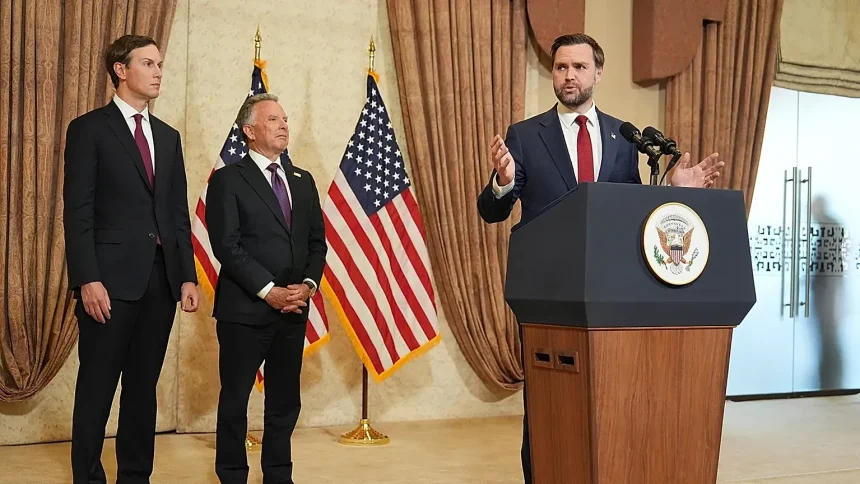
However, U.S. Vice President J.D. Vance, speaking at a news conference in Islamabad on Sunday morning, confirmed that no consensus had been reached. He said the American delegation would return home following the impasse.
Vance expressed appreciation to Pakistan for facilitating the dialogue, highlighting Islamabad’s active role in attempting to bridge differences between the two sides. Nonetheless, he underscored that fundamental disagreements remain unresolved.
“The core issue continues to be Iran’s nuclear ambitions,” Vance said, reiterating Washington’s demand for a clear and enduring commitment from Tehran to abandon any pursuit of nuclear weapons or related capabilities. He described this requirement as a “red line” set by President Donald Trump.
More Read

According to Vance, the United States has yet to see sufficient willingness from Iran to meet that condition, contributing significantly to the collapse of the talks. He added that the failure to reach an agreement would carry greater consequences for Iran than for the United States.
The breakdown in negotiations has cast uncertainty over a fragile two-week ceasefire currently in place, raising concerns among observers that tensions in the region could escalate once again.
The Strait of Hormuz—one of the world’s most critical oil transit chokepoints—remains a focal point of contention, with any instability there posing potential risks to global energy markets.
While both sides indicated that dialogue channels remain open, Sunday’s outcome highlights the deep mistrust and complex geopolitical stakes that continue to hinder progress between Washington and Tehran.
Diplomatic observers say the coming days will be crucial in determining whether efforts to revive talks can succeed or whether the region may slide back toward confrontation.