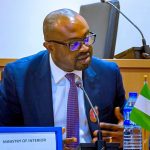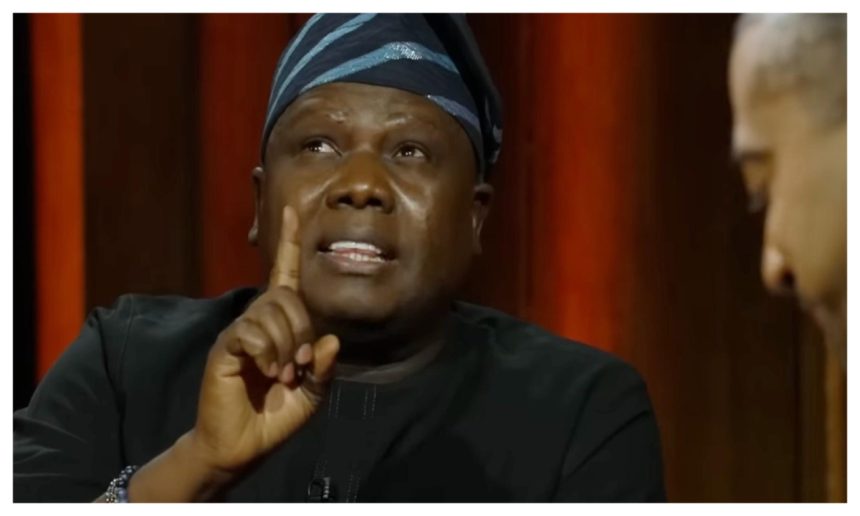
Abuja, Nigeria — Daniel Bwala, Special Adviser to President Bola Ahmed Tinubu on Policy Communication, has revealed that he underwent throat surgery shortly after his widely debated interview with Al Jazeera journalist Mehdi Hasan, sparking fresh controversy with remarks targeting supporters of Labour Party’s Peter Obi.
Speaking on News Central’s programme 60 Minutes with Mr Kay, which aired on Friday, Bwala disclosed that the medical procedure took place just eight days after the high-profile interview.
“Eight days after the interview with Mehdi Hasan, I underwent surgery on my throat. I don’t know whether it is the ‘Obidient’ people that threw that African thing, but in any case, I’m back and strong,” he said, drawing mixed reactions for the comment.
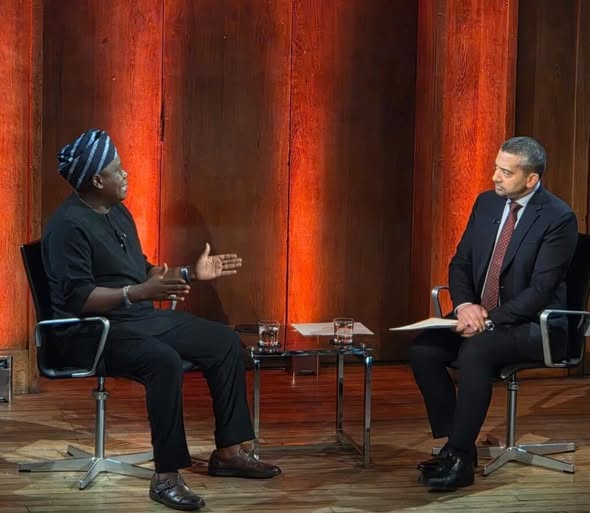
The presidential aide used the platform to address the backlash that followed his Al Jazeera appearance, particularly criticism from social media users, many of whom are aligned with the “Obidient” movement — a term used to describe supporters of former presidential candidate Peter Obi.
More Read
In a strongly worded statement, Bwala accused the group of placing political loyalty above national interest.
“I know the environment I come from; it’s an environment where there exists a species of ‘Trojans’ of social media called the ‘Obidient,’ who do not care about the national interest or the security of Nigeria and will do everything possible to achieve the aim of their hero, no matter the cost,” he said.
Bwala also defended his performance during the Al Jazeera interview, describing Mehdi Hasan’s questioning style as confrontational and reflective of opposition tactics.
More Read

“What Mehdi Hasan did was what we call opposition-style journalism, where you play the role of the opposition. In that interview, Mehdi sought to elicit information from me to discredit the government, but he could not,” he stated.
According to him, a significant portion of the interview focused on his past criticisms of President Tinubu during his time in the opposition — a line of questioning he acknowledged but attempted to move beyond.
“In the first 15 minutes, he started by asking me to answer questions relating to things I said about President Tinubu when I was in the opposition. Repeatedly, I admitted to them — I even said I had said more than what he mentioned — but I asked that we move on to the purpose of the interview,” Bwala explained.
He further revealed that tensions escalated when the interviewer persisted with the same line of questioning.
“He continued doing it, and at a point, I warned him that if he kept going in that direction, I would deny it. He continued, and that was why I kept denying,” he added.

The interview and Bwala’s subsequent remarks have continued to fuel political debate, highlighting deepening divisions within Nigeria’s political landscape, particularly between supporters of the ruling All Progressives Congress (APC) and the opposition Labour Party.
Observers say the controversy underscores ongoing tensions between government officials and critical media platforms, as well as the growing influence of social media in shaping political narratives.