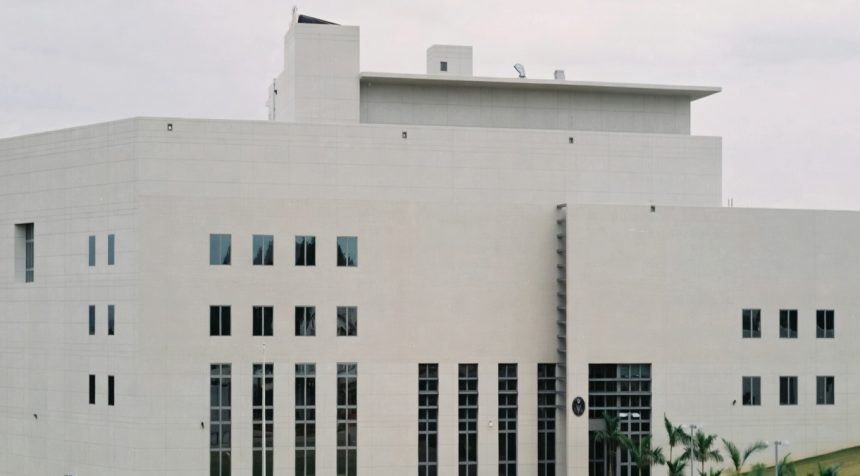
The United States Department of State has authorised the departure of non-emergency personnel and their families from its embassy in Abuja, citing a deteriorating security environment across Nigeria.
The move, announced in an updated travel advisory on Wednesday, reflects growing concern over escalating threats including crime, terrorism, kidnapping, and civil unrest in several parts of the country.
According to the advisory, the decision—taken on April 8, 2026—allows eligible U.S. government staff and dependents to leave Nigeria as a precautionary measure. The State Department also urged American citizens to reconsider travel to the country, warning that the overall security situation remains volatile and unpredictable.
“Reconsider travel to Nigeria due to crime, terrorism, unrest, kidnapping, and inconsistent availability of health care services. Some areas have increased risk,” the statement said.

More States Added to High-Risk List
In a significant update, the U.S. expanded its “Level 4: Do Not Travel” classification to include additional states such as Plateau, Jigawa, Kwara, Niger, and Taraba, bringing the total number of high-risk states to 23.
Northern Nigeria was identified as particularly dangerous, with Borno, Yobe, northern Adamawa, and parts of the North-Central and North-West regions flagged for terrorism, banditry, and violent crime. States including Kaduna, Kano, Katsina, Sokoto, Zamfara, Bauchi, and Gombe were also cited for widespread insecurity and civil unrest.
“The security situation in these states is unstable and uncertain due to civil unrest. Widespread violence between communities and armed crime, including kidnapping and roadside banditry,” the advisory noted, adding that security operations can occur without warning.
More Read

Southern Regions Not Spared
The warning also extended to parts of southern and southeastern Nigeria. States such as Abia, Anambra, Imo, and Enugu were highlighted due to violent protests and separatist tensions, while Bayelsa, Delta, and Rivers (excluding Port Harcourt) were flagged for high levels of kidnapping and criminal activity linked to armed groups.
“Crime is widespread in Southern Nigeria. There is a high risk of kidnapping, violent protests, and armed gangs,” the State Department stated.
Foreigners Seen as High-Value Targets
The advisory underscored that U.S. citizens are often perceived as high-value targets, making them vulnerable to crimes such as kidnapping for ransom, armed robbery, and carjacking. It also warned of potential terrorist attacks in public places including markets, hotels, places of worship, and other crowded areas.
In addition, concerns were raised about Nigeria’s healthcare system, described as limited and inconsistent, with many facilities not meeting international standards.
Safety Measures Recommended
The U.S. government advised its citizens to enrol in the Smart Traveler Enrollment Program (STEP), maintain heightened personal security awareness, avoid demonstrations, and establish “proof of life” protocols in case of abduction scenarios.

Broader Implications
Security analysts say the advisory reflects the complex interplay of terrorism, criminality, and civil unrest in Nigeria, highlighting persistent challenges facing the country’s security architecture.
While the authorisation of voluntary departure does not amount to a full evacuation, it signals heightened caution among foreign missions operating in Nigeria and may influence travel decisions, diplomatic operations, and investor confidence in the near term.