Tehran, Iran — A dangerous geopolitical standoff between the United States and Iran has escalated dramatically, pushing the Middle East — and the global economy — to the brink of crisis.
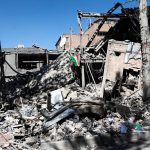
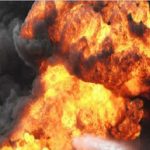
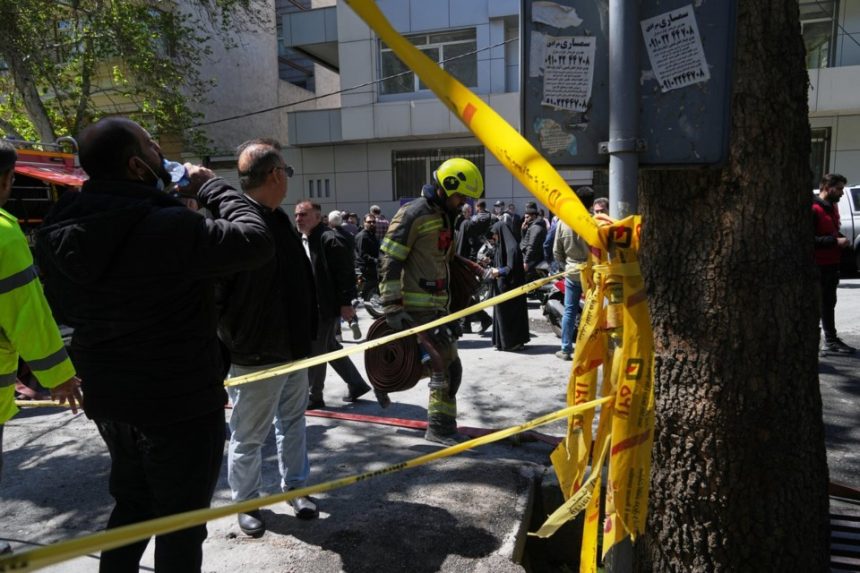
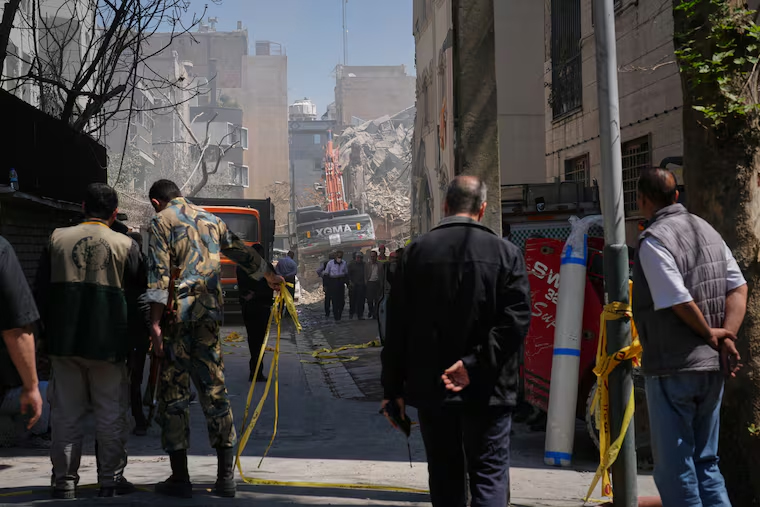
On Tuesday, powerful airstrikes pounded Iran’s capital, Tehran, and other key locations, killing dozens and deepening fears of an all-out regional war. The strikes came just hours before a high-stakes deadline issued by U.S. President Donald Trump, who warned of devastating consequences if Iran fails to reopen the Strait of Hormuz — a vital global oil route.
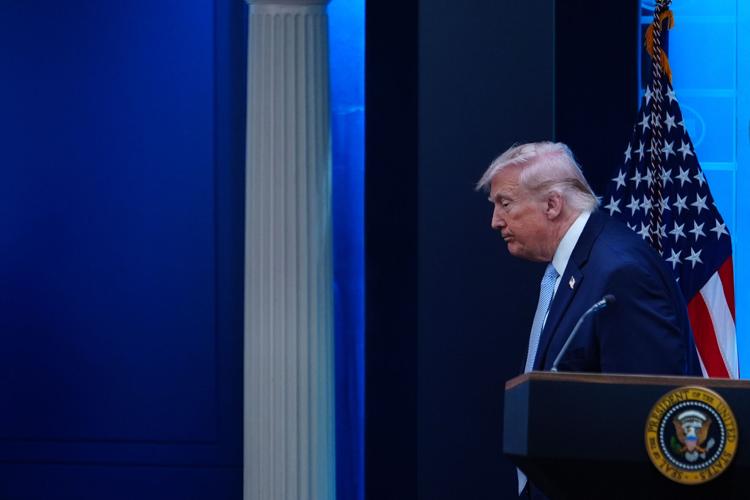
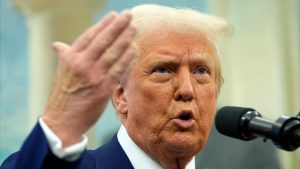
Trump has issued stark threats, declaring that the United States could destroy Iran’s infrastructure, including power plants and bridges, in a single night if compliance is not met. His rhetoric marks one of the most aggressive warnings yet in a rapidly escalating conflict.
Iran, however, has refused to back down.
More Read

In a dramatic show of defiance, Iranian officials called on citizens — particularly young people — to form human chains around key power facilities to deter potential strikes. President Masoud Pezeshkian claimed that as many as 14 million people have volunteered to defend the nation, signaling widespread mobilization.
Meanwhile, Iran’s military has warned that any U.S. attack would trigger a prolonged disruption of oil and gas supplies across the region, threatening global energy security.
The conflict has already spilled beyond Iran’s borders. Tehran launched missile attacks toward Saudi Arabia and Israel, prompting defensive interceptions and temporary shutdowns of critical infrastructure, including a major causeway linking Bahrain to the Arabian Peninsula.
More Read
Casualties continue to mount across multiple fronts. Hundreds have been killed in Iran and neighboring regions, with thousands more displaced as violence intensifies.
At the heart of the crisis lies the Strait of Hormuz, a narrow waterway through which roughly one-fifth of the world’s oil supply passes. Iran’s move to choke shipping through the strait has sent shockwaves through global markets, driving oil prices above $108 per barrel — a sharp surge that is already impacting fuel and food costs worldwide.
International leaders and organizations, including the United Nations, have urgently called for restraint. Warnings are mounting that large-scale attacks on civilian infrastructure could violate international law and potentially constitute war crimes.
Despite the escalating violence, diplomatic efforts are still underway. Mediators from countries including Pakistan, Egypt, and Turkey are racing against time to broker a compromise before the U.S. deadline expires.
But on the ground in Tehran, fear is growing.
More Read
“I feel we are stuck between the blades of a pair of scissors,” said one resident, capturing the anxiety gripping ordinary citizens as the threat of massive destruction looms.
As tensions reach a boiling point, the world watches anxiously, aware that the next move could ignite a conflict with far-reaching and devastating consequences.