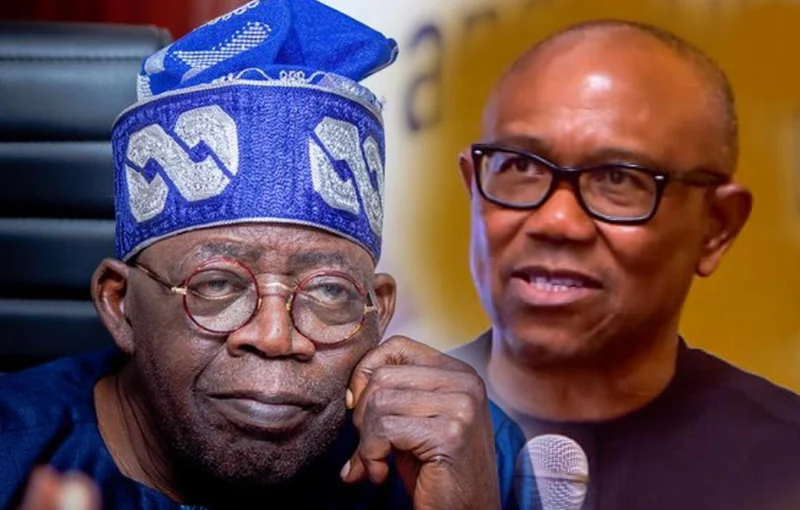
Former presidential candidate of the Labour Party, Peter Obi, has called on Nigerians to vote out President Bola Ahmed Tinubu in the next general election, accusing him of failing to deliver on his promise to improve electricity supply across the country.
Obi made the remarks on Saturday via his official X (formerly Twitter) account, where he criticized what he described as a “glaring display of disregard for promises” by the President.
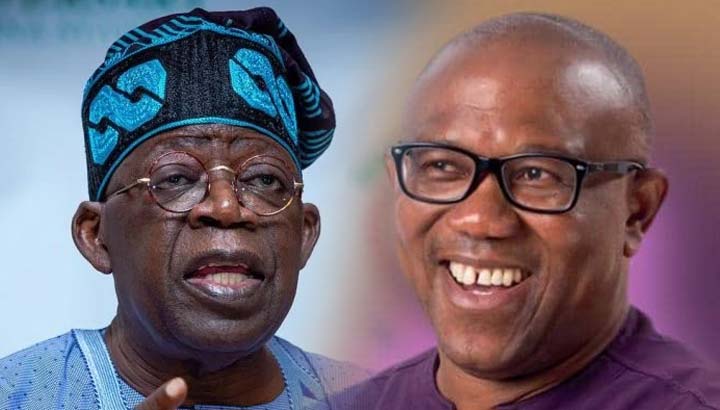
He referenced a recent visit by Tinubu to Jos, Plateau State, where the President reportedly made a brief stop following a condolence visit to families affected by a deadly Palm Sunday attack that claimed over 28 lives. According to Obi, Tinubu attributed his short stay at the airport to the lack of electricity, allegedly saying, “You have no light here – I fly out in ten minutes.”
Obi said the comment was troubling, especially at a time when millions of Nigerians endure prolonged periods without electricity.
More Read
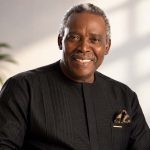
“At a time when Nigerians are enduring days without power, our leaders cannot even stay a few minutes without it,” he stated.
The former Anambra State governor also recalled Tinubu’s campaign promise during the 2023 presidential election, where he pledged to deliver constant electricity within four years or forfeit a second term.
“If I don’t give you constant electricity in four years, don’t vote for me for a second term,” Obi quoted the President as saying during the campaign.
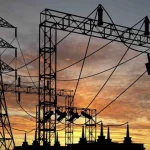

Obi argued that nearly three years into the administration, there has been little progress in the power sector. He noted that while Nigeria had an electricity generation capacity of over 4,000 megawatts in 2023, the current average remains below that mark, despite increased tariffs.
He further highlighted Nigeria’s low electricity consumption rate, stating that the country records about 144 kilowatt-hours per capita, significantly below Africa’s average of 617 kWh.
“This means that Nigerians consume far less electricity than other Africans,” Obi added.
The comments have added to growing political tensions as debates over governance and economic performance continue ahead of the next election cycle.