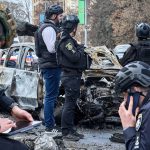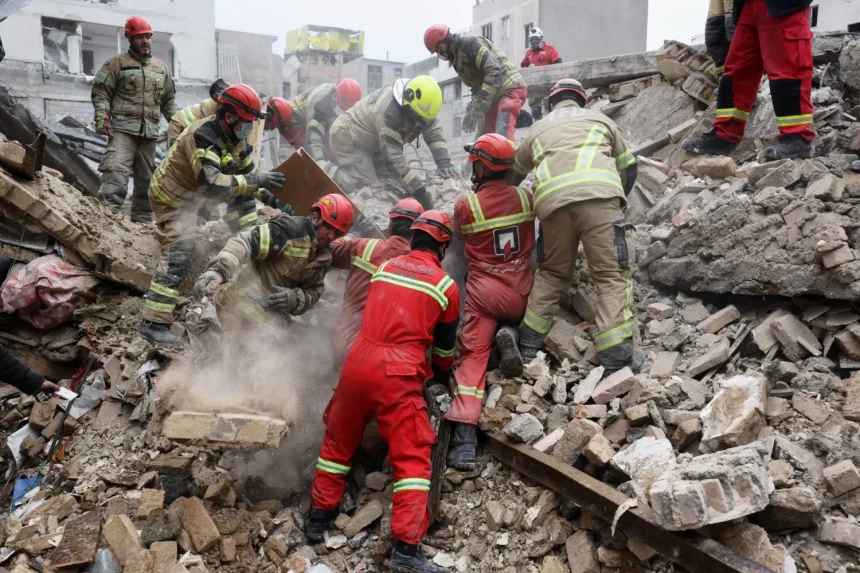
Early reports indicate a dramatic and high-risk military rescue operation is unfolding deep inside Iranian territory after a US F-15 fighter aircraft was shot down, triggering one of the most complex forms of wartime recovery missions.
According to initial information, one crew member has already been successfully rescued, while search efforts continue for a second individual believed to be isolated in hostile terrain. The operation, still ongoing, highlights the extreme dangers and precision involved in Combat Search and Rescue (CSAR) missions.
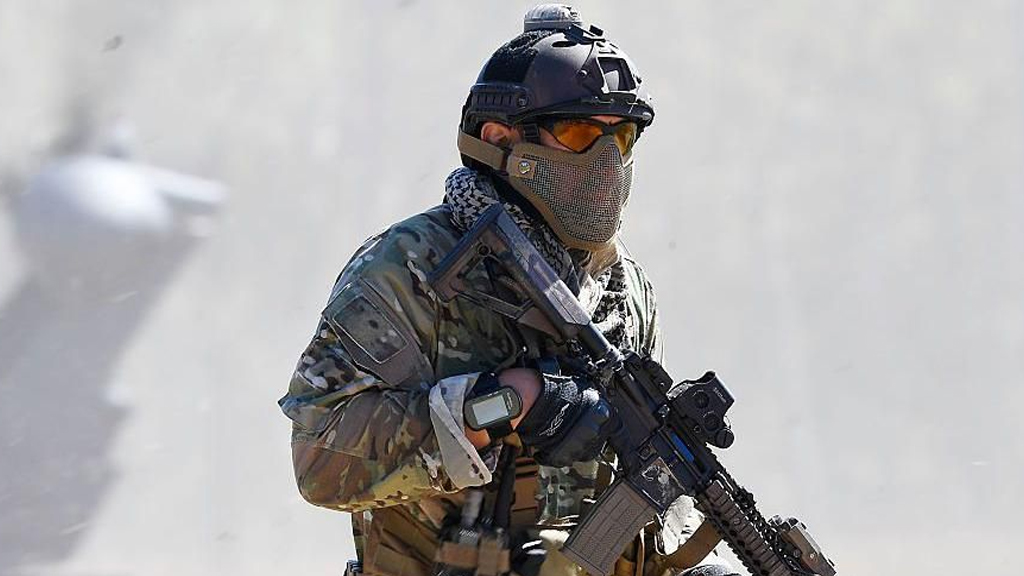
CSAR operations are among the most challenging tasks undertaken by modern militaries. Unlike conventional rescue efforts, these missions take place in enemy-controlled or contested environments, where every minute counts and the threat level is exceptionally high. In this case, rescue teams are believed to be operating deep within Iran, raising the stakes significantly.
Typically, such missions involve a coordinated effort of multiple military assets. Helicopters—often Black Hawks—are deployed to extract personnel, supported by refuelling aircraft and fighter jets that provide cover and surveillance. On the ground, elite US Air Force pararescue jumpers, specially trained in both combat and emergency medicine, lead the search. Their task is to locate the missing crew member, provide immediate care if necessary, and navigate safely to an extraction point while evading enemy forces.
More Read
Experts describe these operations as “massively dangerous,” noting that rescue teams must work against time while adversaries may also be attempting to locate the downed personnel. The search strategy typically involves retracing the last known position and expanding outward based on survival conditions and terrain.
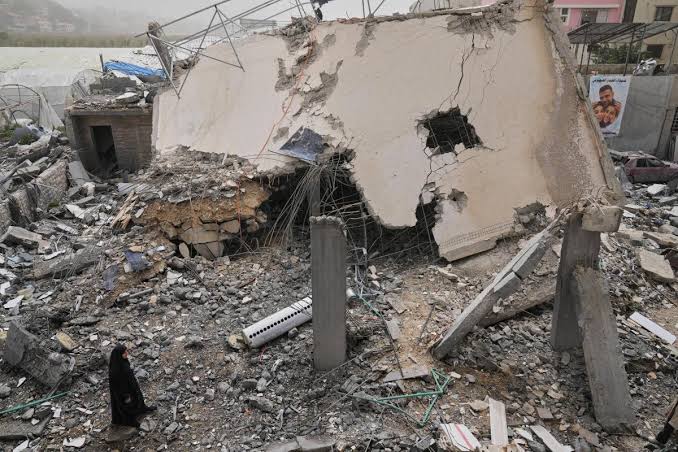
This latest incident underscores the long-standing military commitment to recover personnel at all costs. The US Air Force’s pararescue units, whose motto is “These Things We Do, That Others May Live,” are specifically trained for such high-risk scenarios, undergoing years of rigorous preparation to operate in extreme conditions.
More Read

Combat search and rescue missions have a storied history, from early improvised rescues during World War I to highly coordinated operations in Vietnam, Iraq, and Afghanistan. Though rescues of downed pilots have become less frequent in recent decades, they remain a critical capability—and a powerful symbol of military resolve.
As the search continues, attention now turns to the fate of the remaining crew member, with hopes that the ongoing mission will end in a successful recovery despite the perilous circumstances.