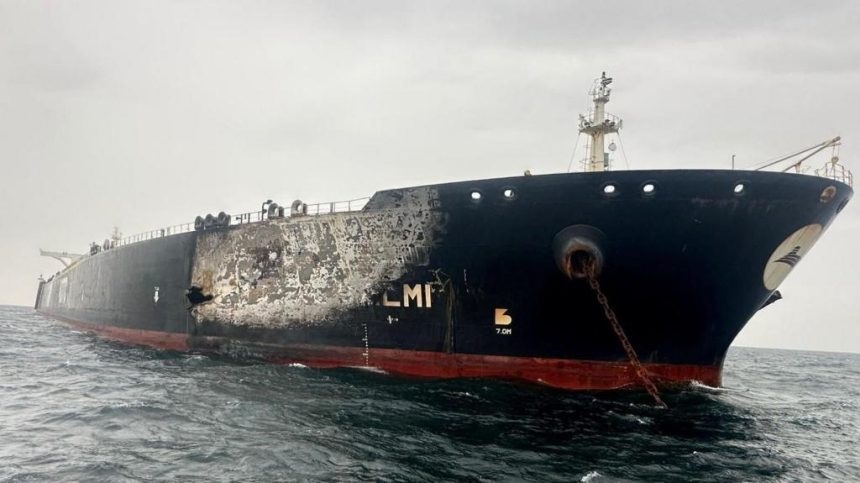
Israeli Prime Minister Benjamin Netanyahu has declared that Israel’s military campaign against Iran is “beyond halfway complete,” as the widening conflict took a dramatic turn with a drone strike on a Kuwaiti oil tanker near Dubai.
Speaking amid intensifying hostilities across the Middle East, Netanyahu said Israeli forces, working alongside allies, have significantly degraded Iran’s military capabilities, including key missile systems and strategic infrastructure. His comments come as the conflict—now stretching into its fifth week—continues to escalate across multiple fronts, raising fears of a prolonged regional war.
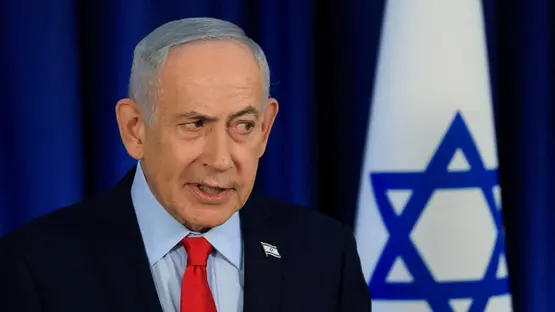
The latest flashpoint occurred off the coast of Dubai, where a fully loaded Kuwaiti oil tanker, identified as the Al-Salmi, was struck by a drone believed to be launched by Iranian forces. The impact caused a fire and hull damage, though emergency crews quickly brought the blaze under control. Authorities confirmed that all crew members were safe and no injuries were reported.
While there were no immediate reports of an oil spill, officials warned of potential environmental risks and disruptions to energy supplies. The attack underscores growing threats to commercial shipping in the Gulf, particularly around the strategically vital Strait of Hormuz, a key artery for global oil transport.
More Read

The tanker strike is part of a broader pattern of Iranian retaliation targeting energy infrastructure and maritime assets across the region. In recent weeks, attacks have hit oil facilities, ports, and shipping lanes in several Gulf states, contributing to sharp increases in global oil prices and economic uncertainty.
The United States has also intensified its involvement, launching airstrikes on Iranian targets, including areas linked to nuclear infrastructure. Washington has warned Tehran of further consequences if it fails to de-escalate or reopen critical shipping routes.

More Read

Despite mounting international calls for restraint, both sides appear locked in a cycle of escalation. Netanyahu maintained that Israel would continue operations until its strategic objectives are achieved, while Iran has vowed continued retaliation, signaling that the conflict is far from over.
As tensions ripple across the Gulf, analysts warn that continued attacks on oil infrastructure and shipping could have far-reaching consequences for global energy markets and regional stability.