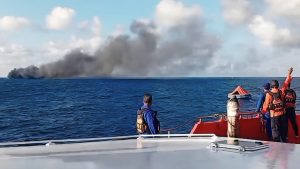
The conflict between Iran and Israel intensified dramatically on Monday as Iran launched multiple waves of missile attacks on Israeli territory, vowing to “punish the aggressor,” while Israeli forces responded with heavy bombardments targeting Tehran and allied militant infrastructure across the region.
The escalation marks a dangerous new phase in the month-long war, which has now drawn in multiple countries and armed groups, raising fears of a broader regional conflict with global economic consequences.
Missile Exchanges and Expanding Battlefronts
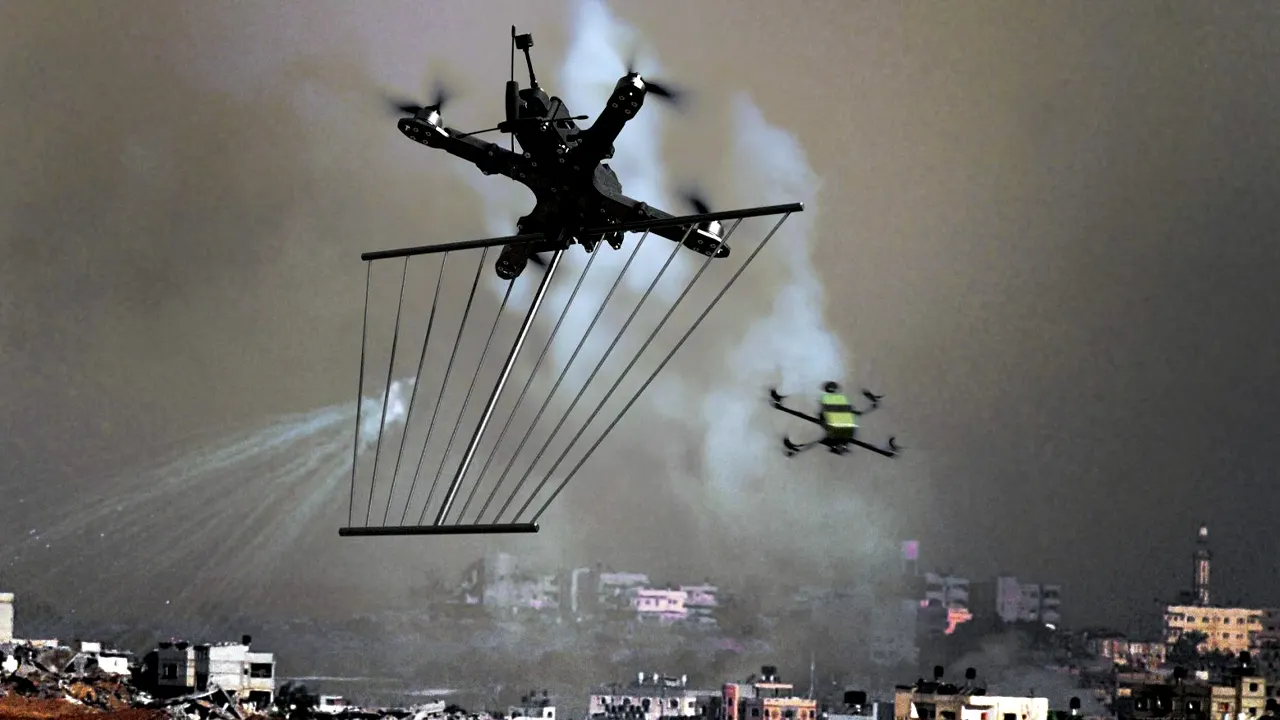
Iran’s latest barrage comes amid continued Israeli airstrikes on what it described as military infrastructure in Tehran. Israeli forces also struck sites in Beirut linked to Hezbollah, the Iran-backed Lebanese militant group, which in turn fired additional rockets into Israel.
The conflict widened further with the involvement of Yemen’s Houthi movement. Israel’s military confirmed intercepting two drones launched from Yemen on Monday, following earlier missile attacks by the Iran-aligned group. The Houthis’ entry into the war has heightened concerns about the security of key global shipping routes.
More Read
In Iraq, rockets struck the Mohamad Alaa air base near Baghdad International Airport, destroying an aircraft, while Kuwait reported intercepting five drones in its airspace.
U.S. Presence and Diplomatic Signals
U.S. President Donald Trump said Washington had been engaged in both direct and indirect talks with Iran, describing the country’s new leadership—installed after the killing of Supreme Leader Ayatollah Ali Khamenei in February—as “very reasonable.”
However, the United States has simultaneously increased its military presence in the region, deploying thousands of troops. Iran’s parliament speaker accused Washington of sending mixed signals—pursuing negotiations while preparing for a possible ground invasion.

Trump suggested a ceasefire could be reached quickly but acknowledged uncertainty, stating, “I think we’ll make a deal… but it’s possible we won’t.”
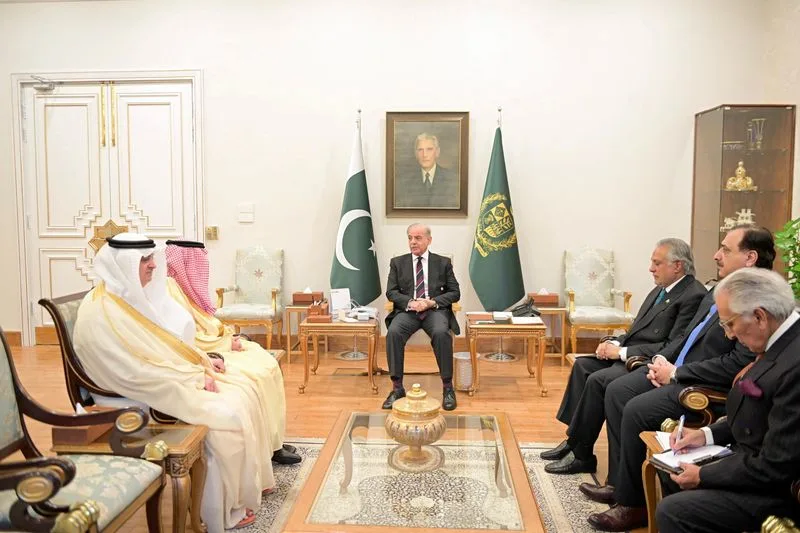
Pakistan has stepped in as a potential mediator, announcing plans to host “meaningful talks” between Tehran and Washington, though it remains unclear whether both sides will participate.
Iran Vows Continued Retaliation
Iran’s acting Defence Minister, Majid Ebn-e Reza, reiterated Tehran’s stance, saying the country would continue to “punish aggressors, create deterrence and ensure war won’t repeat itself.”
Despite weeks of U.S.-Israeli bombardment, Iran has continued launching missiles and drones, replacing military leaders killed in earlier strikes. Tehran confirmed the death of Revolutionary Guards Navy Commander Alireza Tangsiri.
Oil Shock and Global Economic Fallout
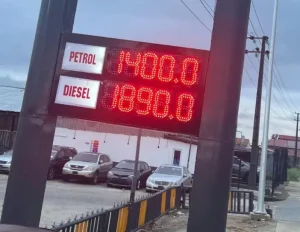
The conflict has triggered major disruptions in global energy markets. Brent crude prices rose 2.8% on Monday, nearing $116 per barrel.
The situation has been exacerbated by Iran’s effective closure of the Strait of Hormuz, a critical chokepoint through which about one-fifth of the world’s oil and liquefied natural gas supplies pass. Analysts warn that further escalation—particularly if the Houthis target the Bab el-Mandeb Strait—could severely impact global trade.
More Read

Airlines have already begun raising fares and reducing capacity in response to rising fuel costs, while economists caution that sustained high energy prices could strain household budgets worldwide.
Rising Casualties and Human Toll
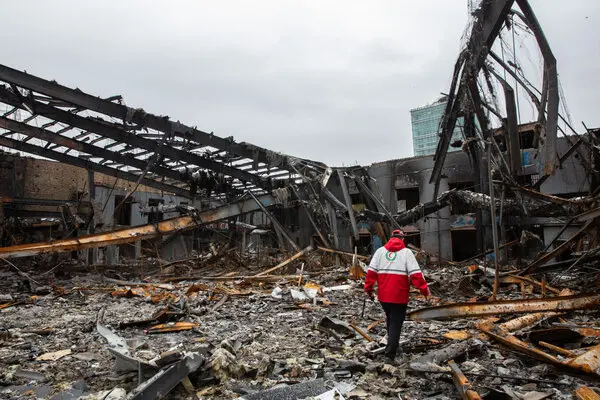
The war has taken a devastating human toll across multiple countries. A U.S.-based rights group estimates nearly 3,500 deaths in Iran, including more than 1,500 civilians. Lebanese authorities report around 1,240 fatalities, while over 400 Hezbollah fighters have been killed.
At least 100 people have died in Iraq, and 13 U.S. service members have been confirmed killed.
Israel Expands Operations in Lebanon
Israeli Prime Minister Benjamin Netanyahu announced plans to expand military operations in southern Lebanon, citing ongoing rocket attacks by Hezbollah. Israel has indicated it intends to establish a “buffer zone” in the area, raising fears of a prolonged military occupation and further displacement of civilians.
Uncertain Path Forward
As the war spreads across borders and draws in regional and global powers, the risk of a prolonged and wider conflict continues to grow. While diplomatic efforts are underway, the combination of escalating military action, economic disruption, and geopolitical tension suggests that a resolution remains uncertain.
The coming days are expected to be critical in determining whether the conflict moves toward de-escalation—or further spirals into a broader regional war.