Yaoundé, Cameroon — The World Trade Organization opened a pivotal ministerial conference in Cameroon’s capital on Thursday under a cloud of deep divisions, as geopolitical tensions, rising protectionism and ongoing global conflicts cast uncertainty over the future of the multilateral trading system.
Diplomats arriving in Yaoundé described an atmosphere of unease, with one Western official characterising the mood as “tense,” underscoring widening fractures among the WTO’s 166 members at a time when cooperation is increasingly strained.
At the heart of the gathering is a pressing question: whether the WTO can still function as the backbone of global trade governance in a rapidly shifting geopolitical landscape.

More Read
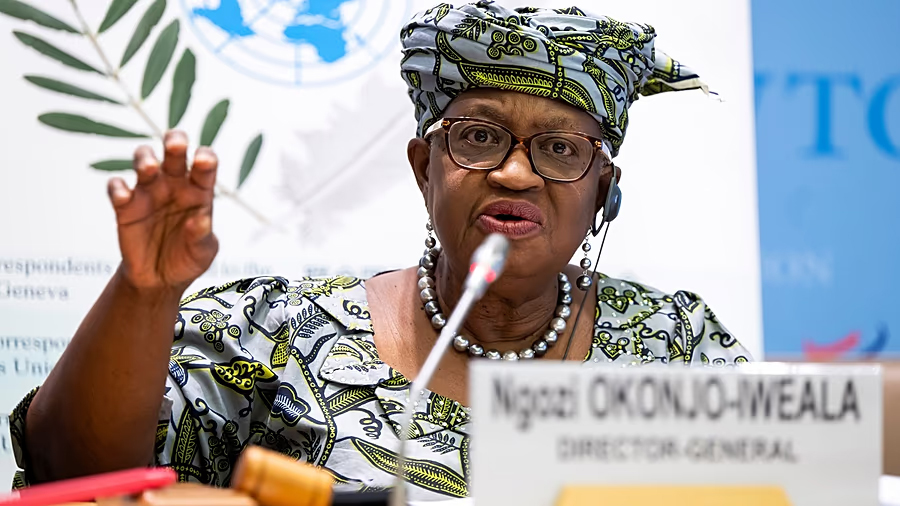
WTO Director-General Ngozi Okonjo-Iweala delivered a stark warning at the opening session, urging member states to “launch the next chapter of the multilateral trading system.” She criticised what she described as a growing trend of unilateral actions by countries and acknowledged a “collective failure” to resolve longstanding grievances within the system.

Her remarks come as the organization grapples with a prolonged reform stalemate. The WTO’s dispute settlement mechanism — once considered the cornerstone of its enforcement power — has remained effectively paralysed since 2019, while its consensus-based decision-making process continues to hinder progress on critical issues.
More Read


Calls for reform have grown louder, particularly from European leaders. European Trade Commissioner Maroš Šefčovič stressed the need for “serious” changes to address global industrial overcapacity and distortive market practices. Britain also issued a blunt warning, cautioning that the WTO risks “sliding into irrelevance” if meaningful reforms are not achieved.
However, stark differences among major powers continue to block consensus. The United States, influenced by the trade policies of former President Donald Trump, has challenged the long-standing “most favoured nation” principle, which ensures equal trading terms among members. China, in contrast, insists that the principle must remain a foundational element of the global trading system.

Trade experts say these opposing positions make the prospect of a breakthrough in Yaoundé increasingly unlikely.
Former WTO Director-General Pascal Lamy said the conference would serve as a critical test of whether the organisation still has the capacity to reduce trade barriers at a time when many countries are moving in the opposite direction.
More Read

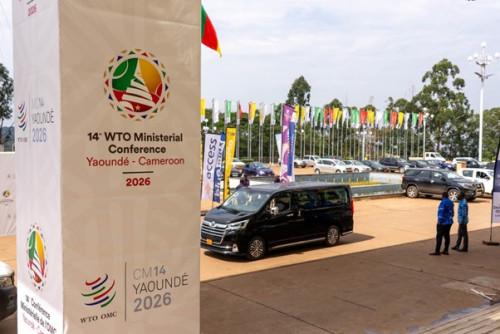
With several previous ministerial meetings failing to deliver concrete outcomes, expectations for Yaoundé remain cautious. Yet the stakes are unusually high. For many observers, the outcome of this conference could determine whether the WTO can adapt to modern economic realities — or gradually lose its relevance in shaping global trade.
As negotiations continue behind closed doors, the world will be watching closely to see whether compromise is still possible in an increasingly divided international system.