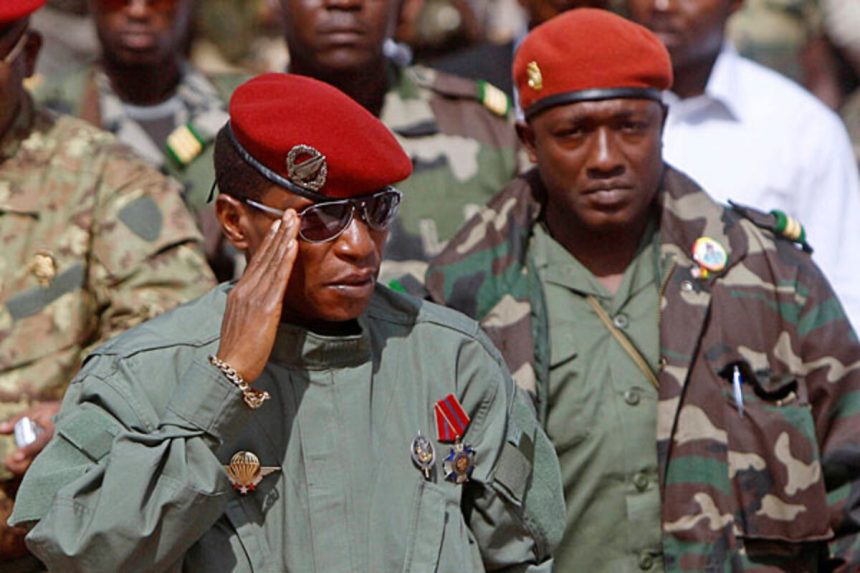
Conakry, Guinea — One of the most prominent figures convicted over Guinea’s 2009 stadium massacre, Aboubakar Sidiki Diakité, has died in custody, authorities confirmed Wednesday, marking another dramatic turn in one of West Africa’s most notorious human rights cases.
Diakité, widely known as “Toumba,” was pronounced dead at 04:35 (local and GMT) in a military hospital in Conakry, according to a statement from the country’s prison service. He had been serving a 10-year prison sentence for his role in the September 2009 massacre, in which at least 156 people were killed and more than 100 women were raped by security forces loyal to the ruling junta.
His death comes just months after another convicted figure in the same case, Claude Pivi, a former colonel and security minister under the junta, also died in custody in January—raising fresh concerns about whether justice in the long-running case is being fully served.
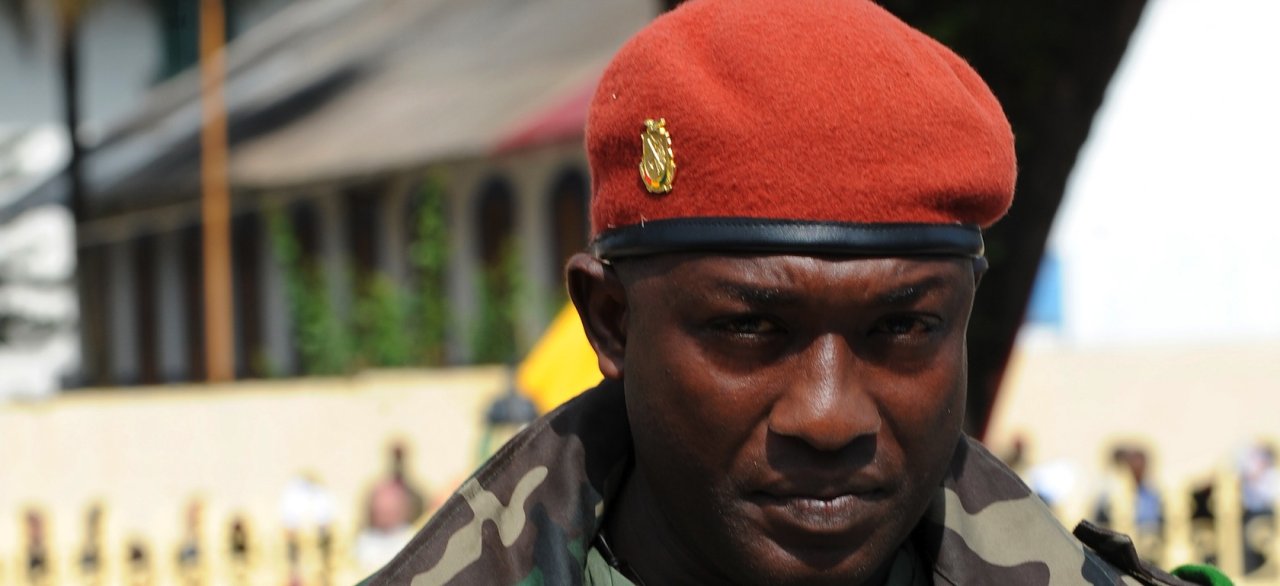
A central figure in a national tragedy
At the time of the massacre, Diakité served as aide-de-camp to then-junta leader Moussa Dadis Camara and commanded the presidential guard, placing him at the heart of the chain of command during the crackdown.
More Read

The violence unfolded during and after a mass opposition rally at a stadium in Conakry, where thousands had gathered to protest against Camara’s rule. The brutal response by security forces shocked the international community and remains one of the darkest chapters in Guinea’s post-independence history.
In a dramatic twist later that same year, Diakité himself turned against Camara, accusing the junta leader of attempting to shift full blame for the massacre onto him. In December 2009, he shot and seriously wounded Camara in an apparent assassination attempt.
Arrest, conviction and final days
After years on the run, Diakité was arrested in Dakar in 2016 and extradited to Guinea the following year. He was eventually convicted and sentenced to 10 years in prison, a term that was due to expire in 2027.
More Read

Authorities said he had recently been transferred from Conakry’s central prison to a facility in Coyah, about 50 kilometers from the capital, following disciplinary issues. Officials reported that he had displayed “an aggressive attitude,” refused to comply with a search, and issued threats against prison officers during a surprise security operation.
No official cause of death has yet been disclosed.
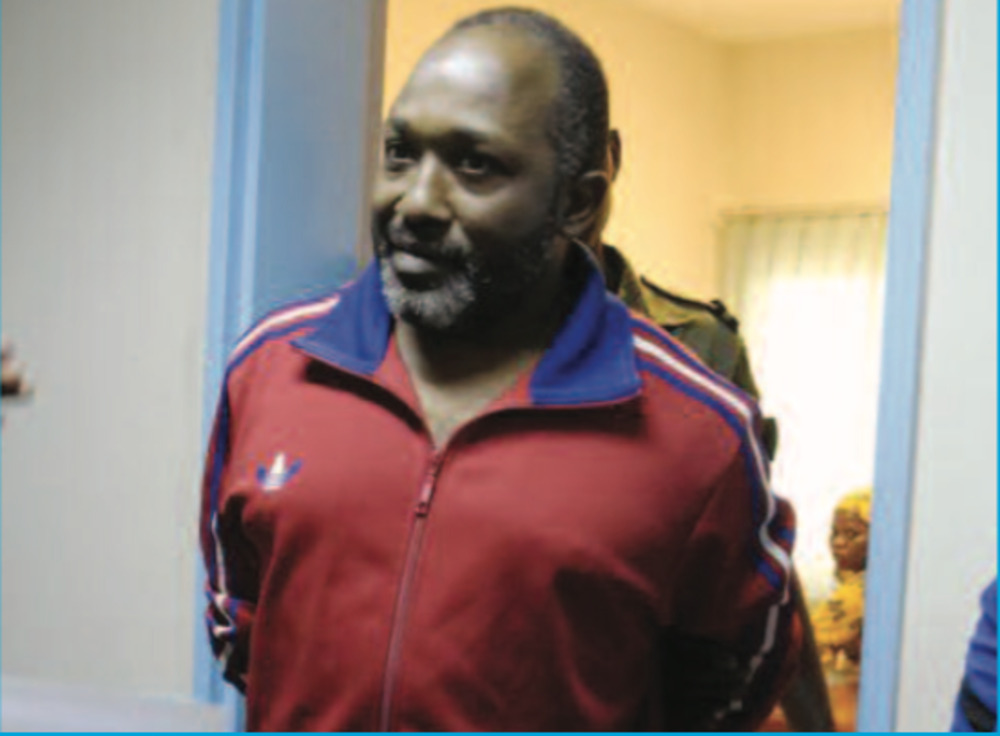
Justice overshadowed by controversy
The deaths of Diakité and Pivi come amid lingering controversy over the handling of the massacre’s legacy. Former junta leader Camara was himself convicted of crimes against humanity and sentenced to 20 years in prison. However, he was later pardoned by Guinea’s current leader, Mamady Doumbouya.
Doumbouya, who seized power in a 2021 coup and was elected president in a disputed vote last December, has faced criticism over the pardon, with victims’ groups and rights advocates questioning the government’s commitment to accountability.
A fragile reckoning
For many Guineans, the 2009 stadium massacre remains an open wound. While convictions in the case were seen as a rare step toward justice in a country long marked by political instability and military rule, the recent deaths of key figures risk complicating efforts to establish a full historical record.
More Read

As Guinea continues to grapple with its past, Diakité’s death underscores the fragile and incomplete nature of accountability in one of Africa’s most consequential human rights cases.