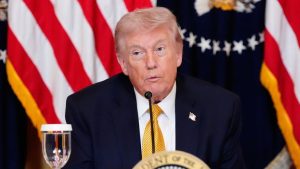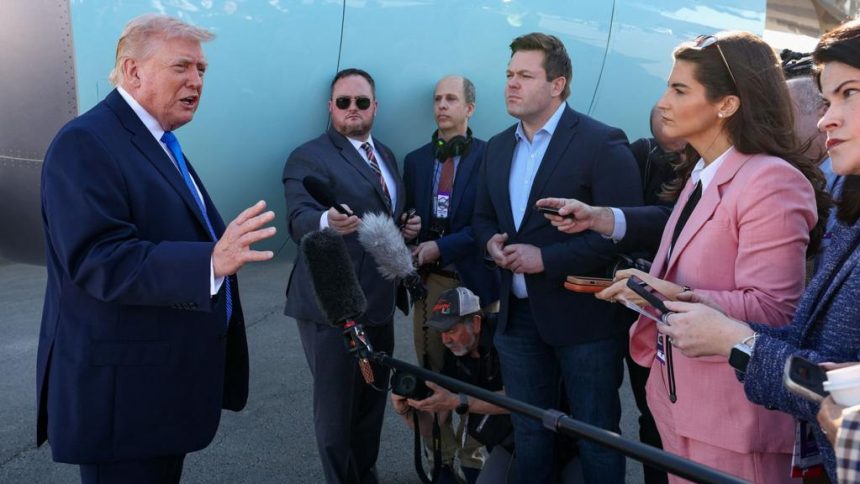
Washington, D.C. — Tensions between the United States and Iran have escalated sharply after U.S. President Donald Trump declared that Tehran has “one more chance” to choose peace, even as Iranian officials firmly denied that any negotiations are taking place.
Speaking amid ongoing conflict in the Middle East, Trump suggested that diplomatic efforts were still possible but warned that failure to reach an agreement could lead to further military action. He emphasized that any deal would require Iran to abandon its nuclear ambitions entirely.

However, Tehran quickly pushed back against the claims. Senior Iranian officials, including parliamentary leaders, described reports of ongoing discussions with Washington as “fake news,” insisting that no direct or indirect talks have occurred.
The sharp exchange highlights growing mistrust between both sides. While Trump has repeatedly claimed that “productive” conversations have taken place and that there are “major points of agreement,” Iranian authorities maintain that such assertions are fabricated and politically motivated.

The standoff comes against the backdrop of a deadly conflict involving U.S. and allied forces, which has already claimed thousands of lives and disrupted global oil markets—particularly due to tensions around the strategic Strait of Hormuz.
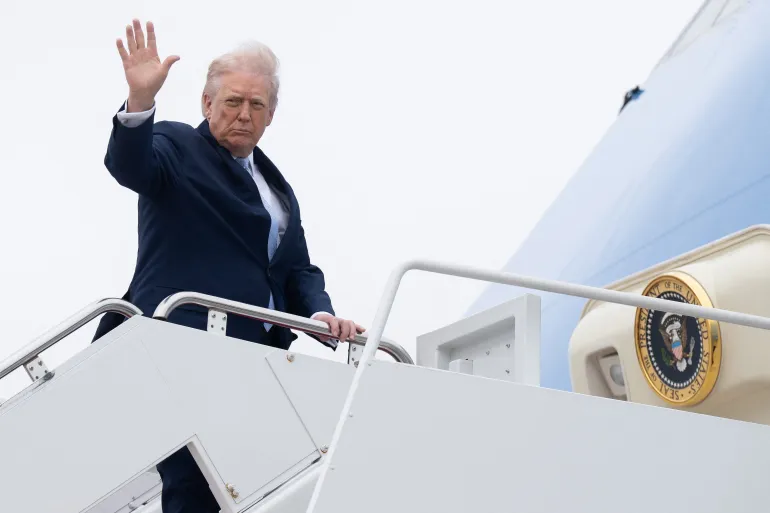
Despite Trump’s optimism about a potential breakthrough, Iran has signaled a hardline stance, warning of retaliation if further pressure or military action is pursued. The conflicting narratives have left the international community uncertain about whether diplomacy is genuinely underway or if both sides are preparing for further escalation.
More Read

As the situation develops, global attention remains fixed on whether this “last chance” will lead to negotiations—or deepen one of the most volatile confrontations in recent history.