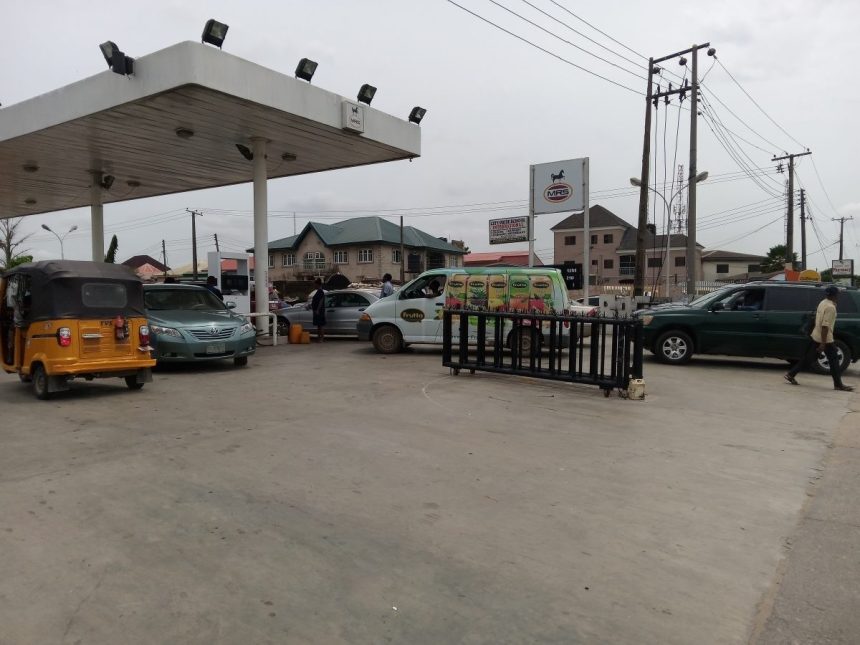
LAGOS, NIGERIA — Nigerians in Lagos are facing mounting hardship as petrol prices surge past ₦1,000 per litre, with the spike linked to ongoing tensions in the Middle East disrupting global oil supply chains and driving up living costs.
At filling stations across the commercial hub on Monday, motorists were met with higher pump prices following a fresh increase last Friday. The sudden rise has caught many residents off guard, worsening the financial strain on households already grappling with inflation.
“I never expected it. I thought it would be coming down,” said Adegbola Isaac, a commercial driver, expressing frustration over the unpredictable nature of fuel pricing.
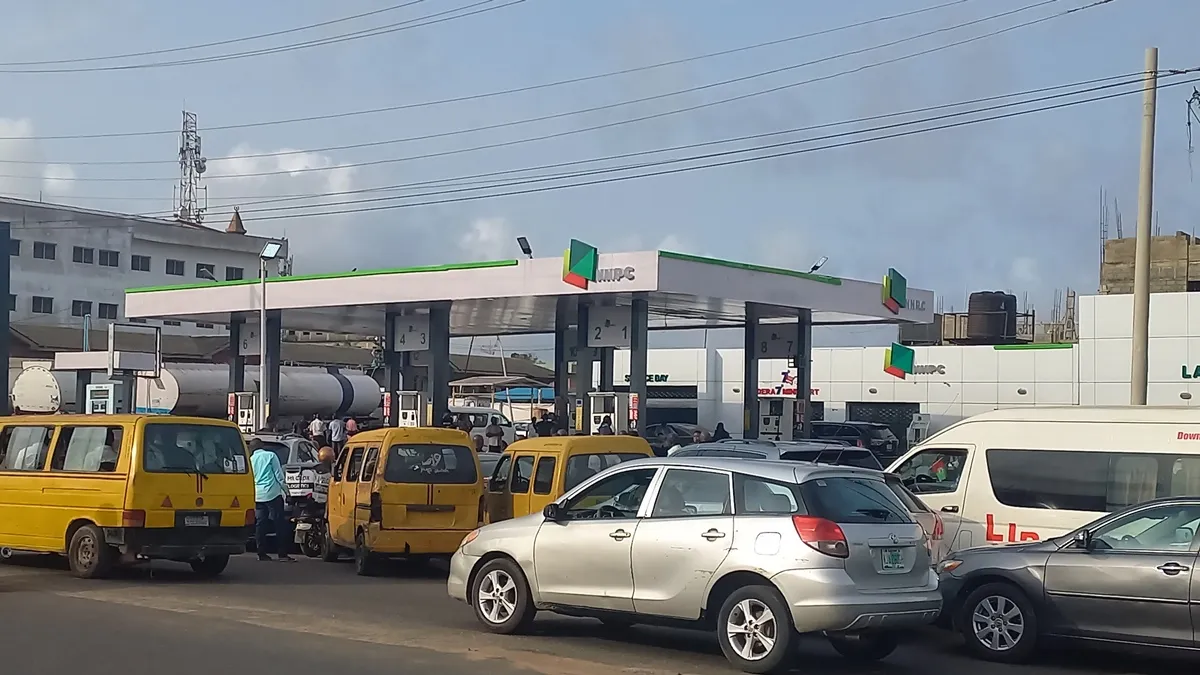
The latest increase comes amid a surge in global oil prices, fueled by supply disruptions along critical transit routes such as the Strait of Hormuz, a vital artery for the world’s energy supply. Heightened geopolitical tensions in the region have raised fears of constrained shipments, tightening global gasoline and diesel markets.
More Read

Despite being one of Africa’s largest crude oil producers, Nigeria remains heavily dependent on imported refined petroleum products, leaving the country highly vulnerable to international price shocks. Analysts say this structural weakness continues to expose consumers to sudden increases whenever global markets fluctuate.
For Lagos residents, the impact is immediate and far-reaching. Rising fuel costs are driving up transportation fares, increasing the price of goods, and stretching already thin incomes.
“Now spending has really gone up, and income for salary has not really gone up, and it has been very terrible for everybody,” said Paul Joshua, a project manager.
More Read

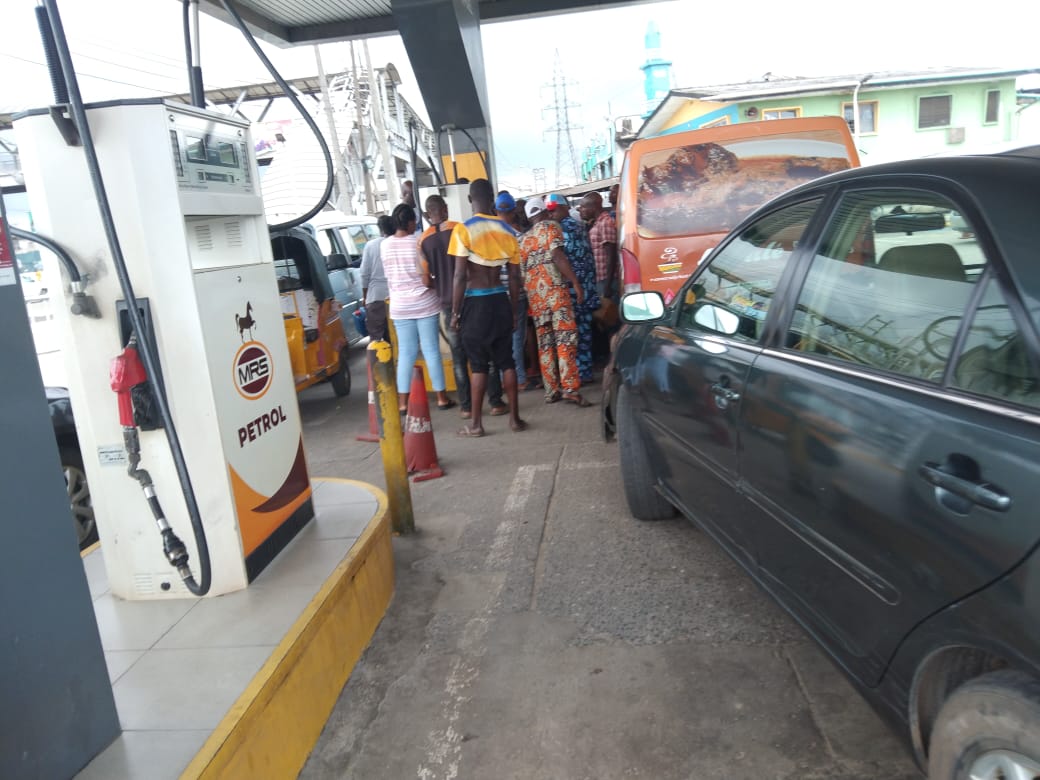
The current situation also reflects the lingering effects of fuel subsidy removal, which has made domestic prices more responsive to global market dynamics. Combined with foreign exchange pressures, the cost of importing fuel has become significantly higher, translating directly to pump prices.
Economic experts warn that unless global oil prices stabilize or Nigeria strengthens its local refining capacity, the volatility in fuel pricing may persist, with broader implications for inflation and economic stability.
As the crisis deepens, many Lagosians are left bracing for tougher days ahead, adjusting their daily routines and spending habits in response to yet another economic shock.