In a dramatic twist that could reshape global energy politics, the United States is considering easing sanctions on Iranian oil exports as it grapples with the economic fallout of its ongoing conflict involving Iran.
The proposal, revealed by US Treasury Secretary Scott Bessent during a television interview, is aimed at flooding the global market with additional oil supply to curb surging energy prices triggered by the war.
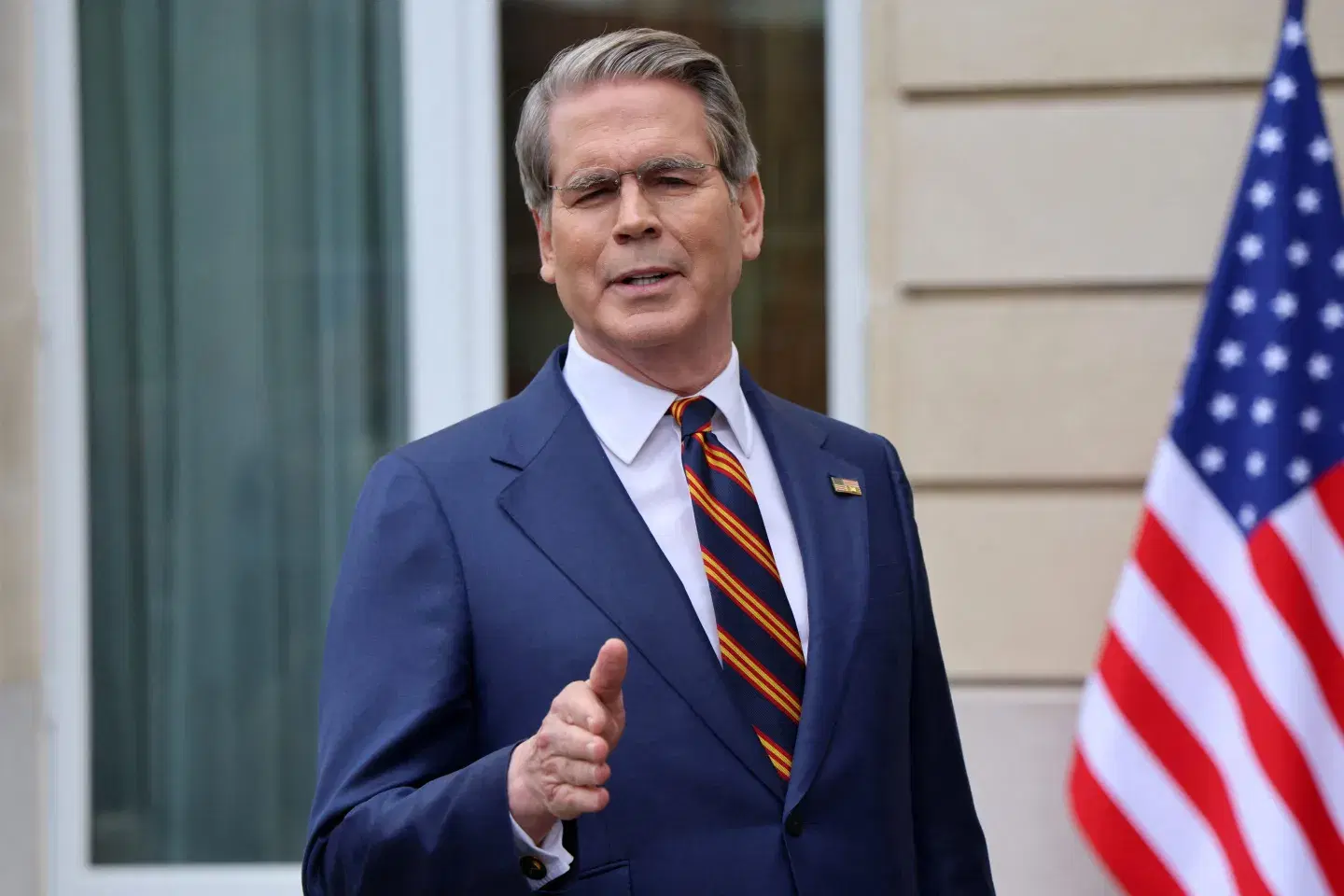
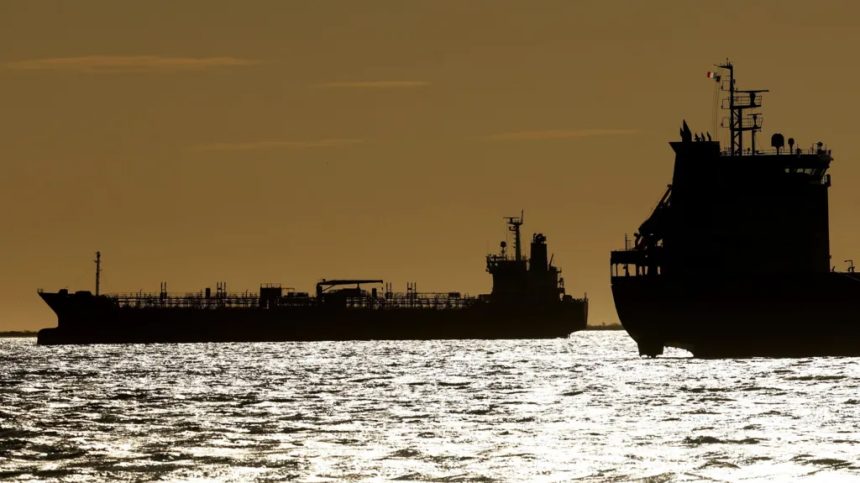
Speaking on a business programme, Bessent suggested that allowing restricted Iranian oil already at sea to be sold could provide short-term relief to strained markets. According to him, roughly 140 million barrels of oil could be released under a temporary waiver, potentially easing prices for up to two weeks.
The move comes as global oil supply faces severe disruption, particularly around the strategic Strait of Hormuz—a vital shipping route through which nearly a fifth of the world’s daily oil consumption typically passes. Since the outbreak of hostilities in late February, activities along the channel have been significantly impacted, with experts estimating that about 10% of global oil supply has been knocked offline.
More Read

President Donald Trump has yet to give a definitive position on the proposal. When pressed by reporters, he offered a cautious response, saying the administration would do “whatever is necessary” to stabilize prices, without confirming whether the sanctions relief would go ahead.
While the plan is designed to ease pressure on global markets and redirect oil supplies to countries such as India, Japan, and Malaysia, analysts warn that its overall impact may be limited. Experts argue that the volume of oil under consideration is relatively small compared to global demand and may not significantly reduce prices.
More Read

More controversially, critics fear the move could inadvertently strengthen Iran financially. By allowing oil sales, revenue could flow back to the same government the US is actively confronting, potentially prolonging the conflict.
Energy and sanctions specialists have questioned the logic behind the proposal, describing it as a risky policy reversal. The United States has long enforced strict sanctions on Iranian oil exports, making any relaxation a significant shift in strategy.
The situation is further complicated by recent US actions to stabilize energy markets, including the release of oil from strategic reserves and a temporary easing of certain restrictions on Russian oil—decisions that have already drawn criticism from European allies.
Despite the concerns, experts say the consideration of such an unusual step highlights the severity of the current energy crisis. With supply disruptions mounting and global demand remaining high, policymakers appear to be in what analysts describe as an “every barrel counts” scenario.
As tensions continue to disrupt production and shipping infrastructure, the world watches closely to see whether Washington will proceed with a move that could redefine both energy policy and geopolitical strategy in the weeks ahead.