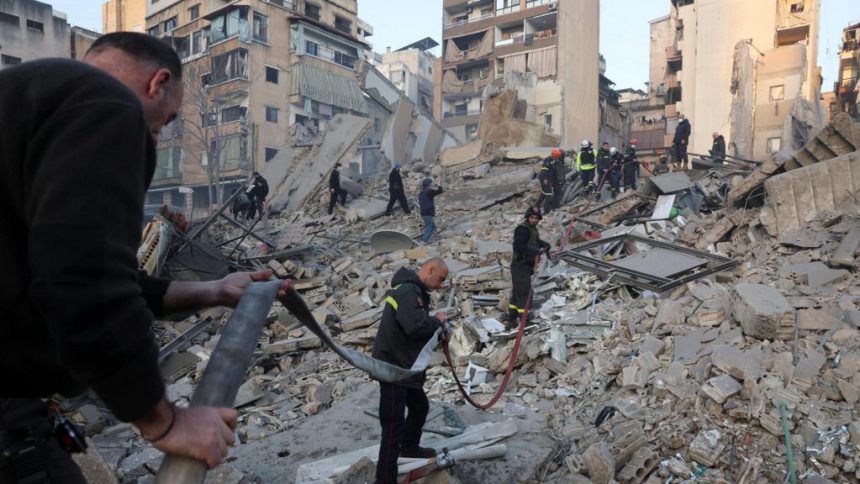
A major escalation is unfolding across the Middle East, as Israel launches fresh airstrikes into the heart of Beirut, while the United States intensifies its military actions against Iran near the vital Strait of Hormuz.
In what observers are calling one of the most dangerous moments in recent years, the conflict is rapidly expanding beyond isolated confrontations into a broader regional crisis.
Israel Hits Central Beirut
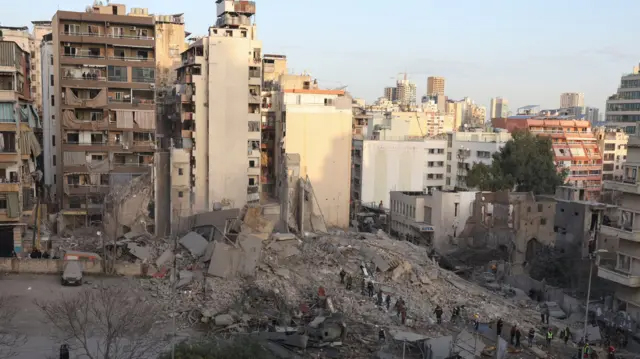
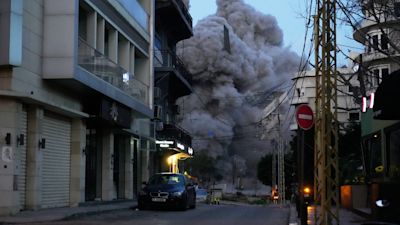
Israeli forces carried out powerful airstrikes targeting central districts of Beirut, marking a significant shift from previous operations that focused mainly on the city’s southern suburbs.
According to Lebanese authorities, the strikes have left at least six people dead and dozens injured, with buildings damaged in densely populated areas. The attacks are believed to be aimed at positions linked to Hezbollah, the Iran-backed militant group that has been engaged in ongoing hostilities with Israel.
More Read

The development has raised alarm among residents, as central Beirut had largely been spared in earlier phases of the conflict.
U.S. Targets Iran’s Missile Capabilities
At the same time, the United States has launched strikes on Iranian missile installations positioned near the Strait of Hormuz — a narrow but critical global shipping route.
The targeted sites were reportedly capable of threatening international vessels, particularly oil tankers passing through the region. The Strait of Hormuz is considered one of the world’s most important النفط corridors, with a significant portion of global oil supply moving through it daily.
More Read
U.S. officials say the operation is intended to prevent Iran from disrupting maritime trade and escalating attacks on global energy infrastructure.
Rising Tensions Across the Region
In response, Iran has reportedly launched retaliatory missile and drone attacks targeting Israeli territory and strategic assets in parts of the Gulf.
There are also growing concerns about attacks on oil facilities in neighboring countries, raising fears of a wider economic fallout. Shipping activity around the Strait of Hormuz has slowed significantly, as tensions heighten and security risks increase.
A Region on the Brink
The situation now reflects a multi-front conflict involving Israel, Hezbollah, Iran, and the United States — with the potential to draw in more countries.
Security analysts warn that continued escalation could:
More Read

- Trigger a full-scale regional war
- Disrupt global oil supply chains
- Send energy prices soaring worldwide
Global Impact
With oil flow under threat, countries far beyond the Middle East are beginning to feel the pressure. Economists warn that prolonged instability in the region could lead to rising fuel prices, inflation, and economic uncertainty globally.
As the world watches closely, diplomatic efforts are expected to intensify in a bid to prevent further escalation — but for now, the Middle East remains dangerously on edge.