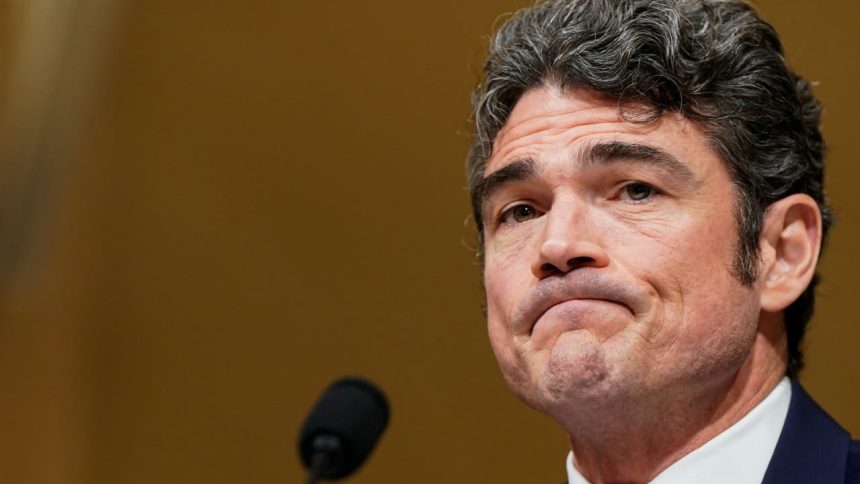
A senior U.S. intelligence official appointed by Donald Trump has abruptly stepped down, citing strong objections to the administration’s ongoing war with Iran.
Joe Kent, who served as Director of the National Counterterrorism Center, announced his resignation on Tuesday in a post on X, formerly known as Twitter.
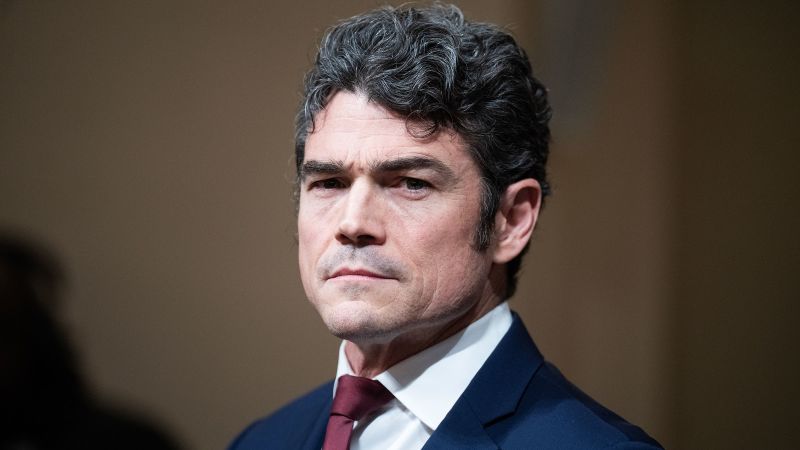
In his statement, Kent said he could no longer support the administration’s military actions, raising serious concerns about the justification for the conflict.
“I cannot in good conscience support the ongoing war in Iran. Iran posed no imminent threat to our nation,” he stated.
Kent further alleged that the war was influenced by external pressures, pointing to Israel and its American lobbying network as key factors behind the decision.
More Read

The Office of the Director of National Intelligence has yet to issue an official response to the resignation.
Conflicting Claims Over ‘Imminent Threat’
Following initial U.S. airstrikes, President Trump defended the action by citing an “imminent threat” from Iran. Administration officials claimed the move was necessary to prevent possible attacks on U.S. forces in the region.
However, reports from Pentagon briefings to lawmakers suggested otherwise. Defense officials reportedly told Capitol Hill that Iran was not planning an attack unless provoked—raising questions about the administration’s justification.
More Read


Shifting Narrative Raises Concerns
The rationale behind the war has continued to evolve. President Trump has alternated between several explanations, including:
-
Protecting anti-government protesters in Iran
-
Preventing Iran from developing nuclear and long-range weapons
-
Countering Iran’s alleged support for terrorist groups
Despite these shifting narratives, top officials have maintained that the conflict is not aimed at regime change, even as the president has publicly encouraged the Iranian people to take control of their government.
What This Means
Kent’s resignation highlights growing divisions within the U.S. government over the war’s legitimacy and strategic direction. It also raises broader concerns about intelligence transparency and decision-making at the highest levels.