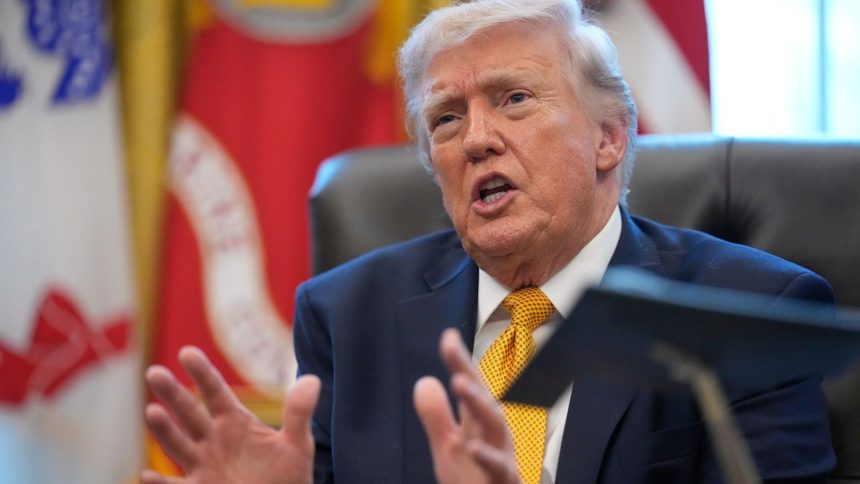
WASHINGTON, D.C. – US President Donald Trump has declared that Iran is now “militarily effectively over”, expressing optimism about ongoing diplomatic efforts to end the Middle East conflict while indicating that further American attacks on the country are highly unlikely.
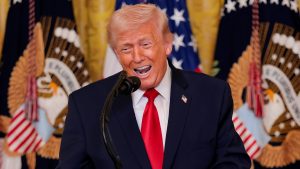
Speaking to reporters at the White House on Monday, Trump said there was positive momentum behind negotiations aimed at bringing the conflict to an end. However, he stressed that the United States would maintain its current military posture and remain prepared to respond if circumstances change.
“We’re just keeping it the status quo,” Trump said, explaining that the decision was largely influenced by requests from neighboring countries seeking to prevent further escalation in the region.
The American president maintained that renewed US military strikes against Iran were unlikely at this stage, although he warned that American forces remained ready for action if necessary.
Trump’s latest remarks have renewed speculation about a possible diplomatic breakthrough between Washington and Tehran, particularly as regional and international stakeholders intensify efforts to secure a ceasefire and restore stability across the Middle East.
More Read


Trump Signals Shift Towards De-escalation
The president’s comments represent another indication that his administration may be moving towards reducing military tensions with Iran.
Trump has previously described Iran as militarily defeated, but his latest statements come amid growing domestic political pressure following disappointing midterm election results for Republicans.
More Read

Senior Republican figures, including Vice-President JD Vance, have reportedly linked the party’s electoral setbacks to public dissatisfaction with the war in Iran.
Before the midterm elections, Trump disclosed that American forces had carried out what he described as minor strikes against an Iranian island located in the strategically important Strait of Hormuz.
However, during an interview with CBS’s 60 Minutes broadcast on Sunday, Trump indicated that he currently saw no compelling reason to intensify military operations against Iran.
Asked why he would not officially declare an end to the war, Trump explained that the United States still had important security responsibilities towards its Gulf allies, some of whom remain vulnerable to Iranian retaliation.
He also suggested that the American naval blockade of Iranian ports was contributing to regional security.
Qatar Leads Diplomatic Efforts to End the Conflict
Diplomatic engagements have continued as Washington explores possible avenues for reaching an agreement with Tehran.
More Read

Trump hosted Qatar’s Prime Minister, Sheikh Mohammed bin Abdul Rahman Al Thani, at the White House on Monday, describing their discussions about ending the conflict as excellent.
The Qatari leader subsequently confirmed the meeting in a statement on X, describing his discussions with Trump and Vice-President JD Vance as positive and focused on reaching an agreement that would bring peace to the region.
Qatar has played an important role in diplomatic mediation efforts, particularly given its relationships with key regional and international stakeholders.
Since the conflict erupted in February following joint military strikes by the United States and Israel against Iran, efforts to negotiate an end to hostilities have largely taken place indirectly through regional mediators.
Saudi Arabia, Qatar and the United Arab Emirates are among the Gulf countries that have experienced Iranian strikes or faced security threats linked to the conflict.
The hostilities have also disrupted regional aviation, affecting air travel and raising concerns about the wider economic consequences of continued instability.
Global Oil Prices Decline Following Trump’s Comments
Trump’s latest remarks have also influenced international energy markets, with global crude oil prices recording further declines amid renewed expectations of de-escalation.
Brent crude, the international benchmark for oil prices, fell by more than one per cent to approximately $91.50 per barrel during Tuesday afternoon trading in Asia.
Meanwhile, US-traded crude oil declined by around 1.2 per cent to approximately $85.82 per barrel.
The decline follows a sharper fall in global oil prices after the Republican Party’s disappointing midterm election performance, as investors increasingly assess the possibility of reduced military tensions and improved stability around critical oil supply routes.
The Strait of Hormuz remains particularly important to global energy markets because of its strategic role in international oil transportation.
Any prolonged military confrontation in the area could have significant consequences for global crude oil supplies, shipping costs and energy prices.
Political Pressure Mounts Within Trump’s Administration
While Trump appears increasingly interested in reducing military tensions, the conflict is also creating political divisions within his administration and the Republican Party.
Republican Congressman Thomas Massie launched a strong criticism of Defence Secretary Pete Hegseth on Monday, initiating efforts to have him impeached over his handling of the war in Iran.
Massie’s move represents another sign of growing disagreements among Republicans regarding the administration’s military strategy.
However, Trump has publicly defended Hegseth, dismissing the impeachment effort as a sham.
Hegseth has also indicated that he is not worried about the looming impeachment threats.
Although the Republican Party maintains control of Congress until January, making the immediate success of the impeachment effort unlikely, Democrats have indicated their willingness to pursue impeachment proceedings when the new congressional session begins, should they secure control of both chambers.

Uncertainty Remains Over Iran’s Response
Despite Trump’s optimistic assessment of the situation, questions remain over whether the diplomatic efforts will produce a lasting agreement.
Iranian officials have repeatedly expressed skepticism about previous statements from the American president concerning the possibility of ending the conflict.
The conflicting positions highlight the challenges facing negotiators as they attempt to reconcile security concerns, military demands and broader geopolitical interests.
For now, Trump’s administration appears committed to maintaining the current situation while keeping diplomatic channels open.
Whether the latest diplomatic engagements involving Qatar and other regional stakeholders will translate into a formal agreement remains uncertain.
However, Trump’s latest comments have raised fresh hopes that the conflict could be moving towards a negotiated resolution, potentially easing tensions across the Middle East and providing some relief to global energy markets.