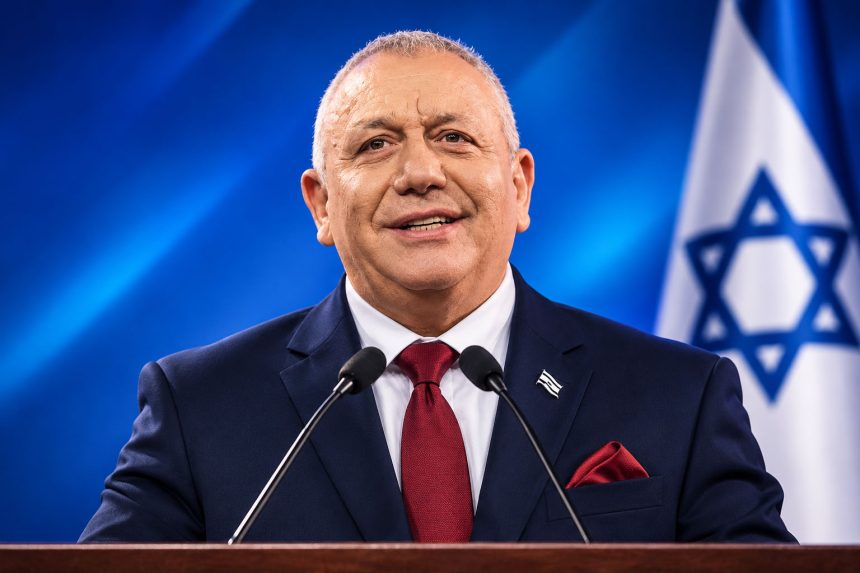
Israel’s President Isaac Herzog has appointed opposition leader Gadi Eisenkot to lead efforts to form a new coalition government following last week’s inconclusive parliamentary elections, which left the country’s political future uncertain.
Eisenkot, a former military chief and leader of the centrist Yashar party, now has 28 days to secure enough parliamentary support to establish a new administration. He could also receive an additional 14 days if necessary.
The decision comes after neither Eisenkot’s opposition bloc nor the ruling coalition led by Prime Minister Benjamin Netanyahu managed to secure the 61 seats required for a majority in Israel’s 120-member parliament, known as the Knesset.
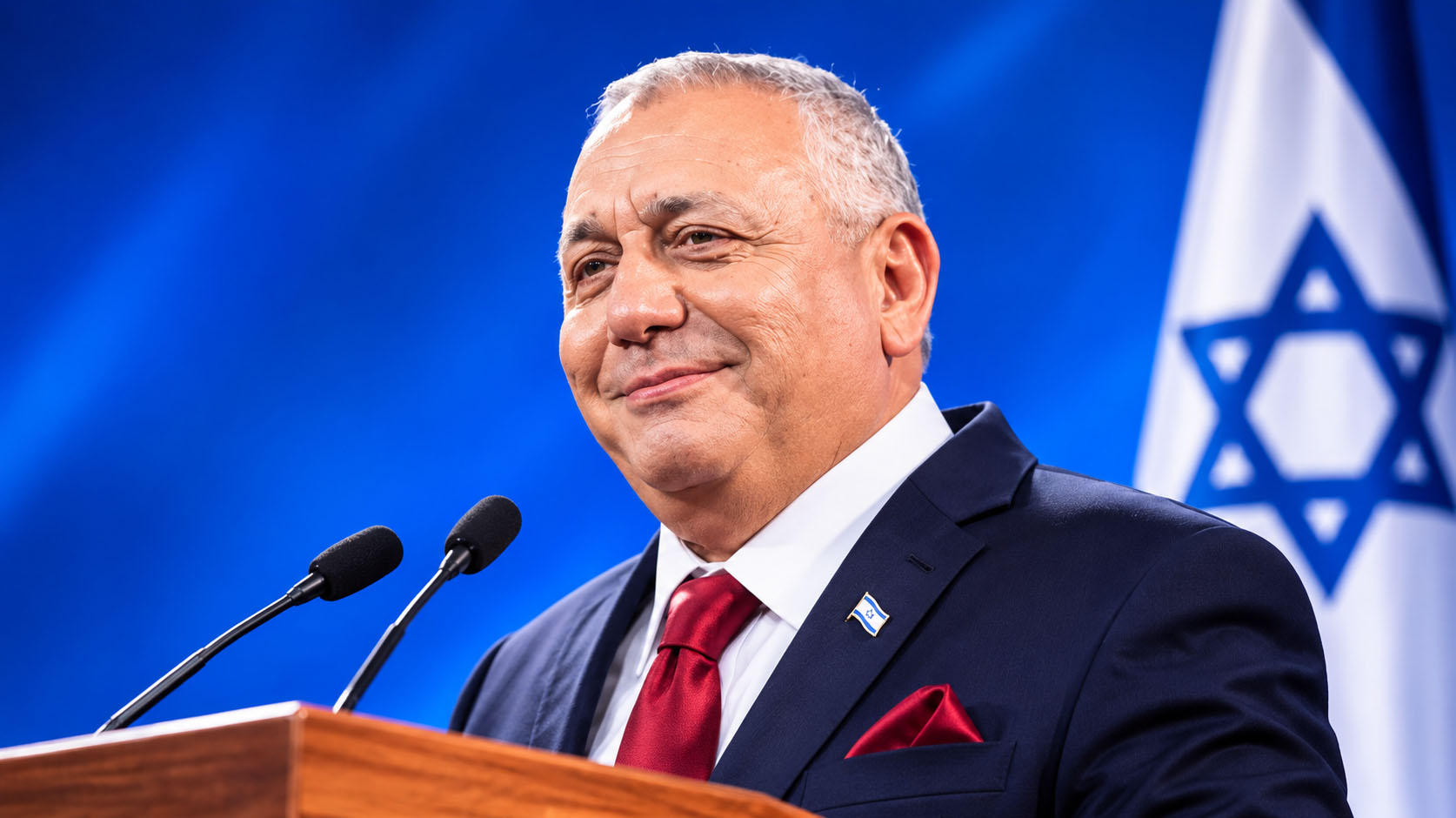
Announcing his determination to form a government, Eisenkot said the country needed a national emergency administration capable of addressing its political and national challenges.
More Read

“Now is the time to form a national emergency government. I will do everything to ensure we are worthy,” he wrote in a statement posted on X.
According to the election results, Netanyahu’s right-wing Likud party and its far-right and ultra-Orthodox Jewish allies secured 53 seats, while Eisenkot’s Yashar party and three other Jewish opposition parties won a combined 48 seats.
Meanwhile, two Arab-led political alliances, the United Arab List and the Joint List, recorded a significant breakthrough, winning a combined 19 seats following increased voter turnout among Arab communities.
More Read

Their strong performance has placed them in a potentially decisive position in determining the formation of the next government. However, securing their support could prove difficult, as nearly all the Jewish political parties, with the exception of one, had pledged before the election not to form a government with Arab-led parties.
Eisenkot Receives More Recommendations Than Netanyahu
Herzog’s decision followed a week of consultations with political parties represented in the incoming parliament.
According to a statement from the president’s office, Eisenkot received 67 recommendations for the premiership, compared with 46 for Netanyahu.
Both political leaders were formally informed of the president’s decision.
Although the leader of the party with the largest number of seats is not automatically entitled to form a government, Israel’s president has the constitutional discretion to nominate the individual considered most likely to secure the support needed to establish a parliamentary majority.
Difficult Coalition Negotiations Ahead
Eisenkot now faces the challenging task of bringing together political parties with sharply different political positions to establish a functioning coalition.
More Read

Three major possibilities have emerged following the election: a national unity government involving both Eisenkot and Netanyahu, a right-wing coalition formed by Netanyahu with support from defectors within the opposition bloc, or an Eisenkot-led administration relying on support from Arab political parties.
However, each option presents significant political obstacles.
Eisenkot and nearly all members of his political bloc have previously ruled out joining a government with Arab-led parties, although speculation has continued that political negotiations could eventually produce an agreement.
Another possibility would involve reaching an understanding with ultra-Orthodox Jewish parties, although such an arrangement could also prove difficult given the political differences between the groups.
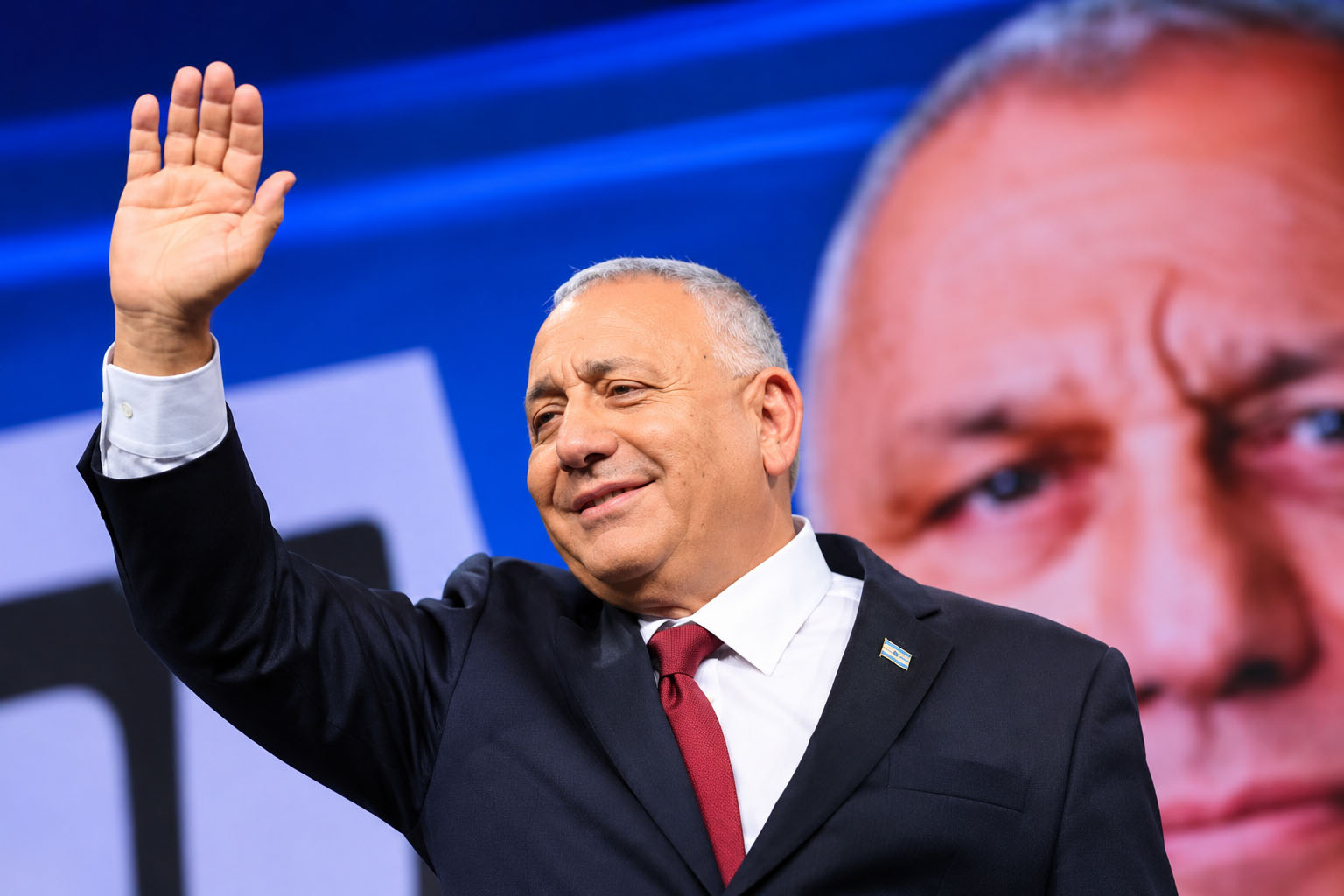
Israel’s History of Political Instability
The current political uncertainty is not unprecedented in Israel.
In 2020, following three consecutive inconclusive elections, Netanyahu and his centrist rival Benny Gantz reached an agreement to establish a national unity government based on a power-sharing arrangement, under which both leaders were expected to serve as prime minister at different periods.
Israel also experienced a particularly turbulent political period between 2019 and 2022, when five parliamentary elections were held as Netanyahu and his political opponents repeatedly struggled to reach agreements on forming a stable government.
During consultations with political representatives this week, Herzog urged political parties to demonstrate flexibility and prioritise national stability over individual political promises.
He warned that preventing another election and establishing a sustainable administration would require political factions to recognise that not every campaign commitment could necessarily be fulfilled under the country’s current circumstances.
With Eisenkot now holding the first opportunity to form a government, attention will turn to the coalition negotiations and whether he can secure enough support to end the latest political deadlock.
Failure to reach an agreement within the allotted period could further deepen Israel’s political uncertainty and potentially pave the way for another election.